Constraining cosmology with weak gravitational lensing
Who am I?

Strasbourg


Who am I?




EC meeting Leiden 2025

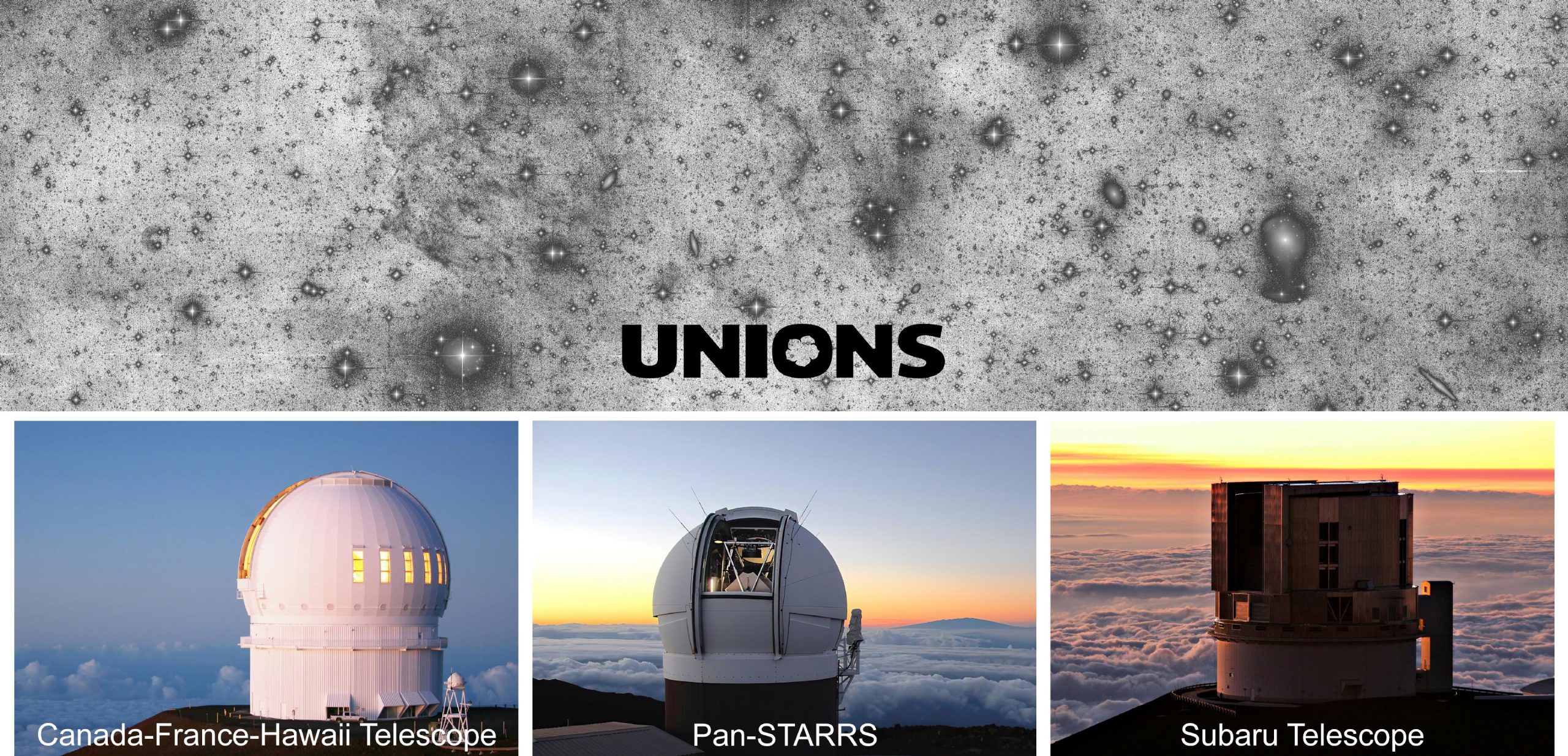
UNIONS collaboration

- Validation of the weak lensing sample
- Cosmological constraints with cosmic shear
- Constraints with higher-order statistics
Euclid Consortium

- Member of the Weak Lensing Science Working Group
- Participation in standard cosmic shear analysis (WL1)
- Higher-Order Statistics Work Package
- Forward Modelling Work Package
- Validation of PSF modelling and shape measurement in the ground segment
Cosmological context: \(\Lambda\)CDM
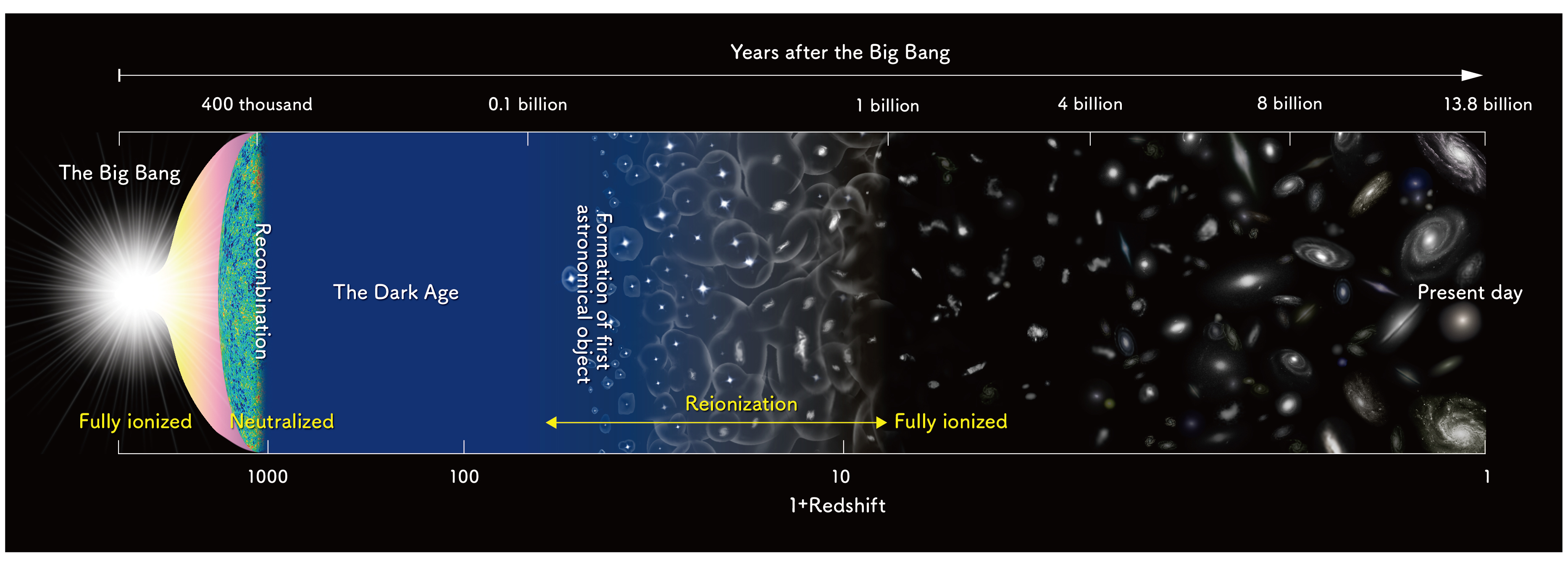
Credit: NAOJ
\[\begin{align} \left. \begin{array}{cc} H_0 & \text{Expansion rate}\\ \Omega_m & \text{Matter density}\\ \Omega_b & \text{Baryon density}\\ \sigma_8 & \text{Clumpiness}\\ w & \text{EoS of dark energy} \end{array} \right\} \text{Constrained using Bayesian inference} \end{align}\]
Weak gravitational lensing
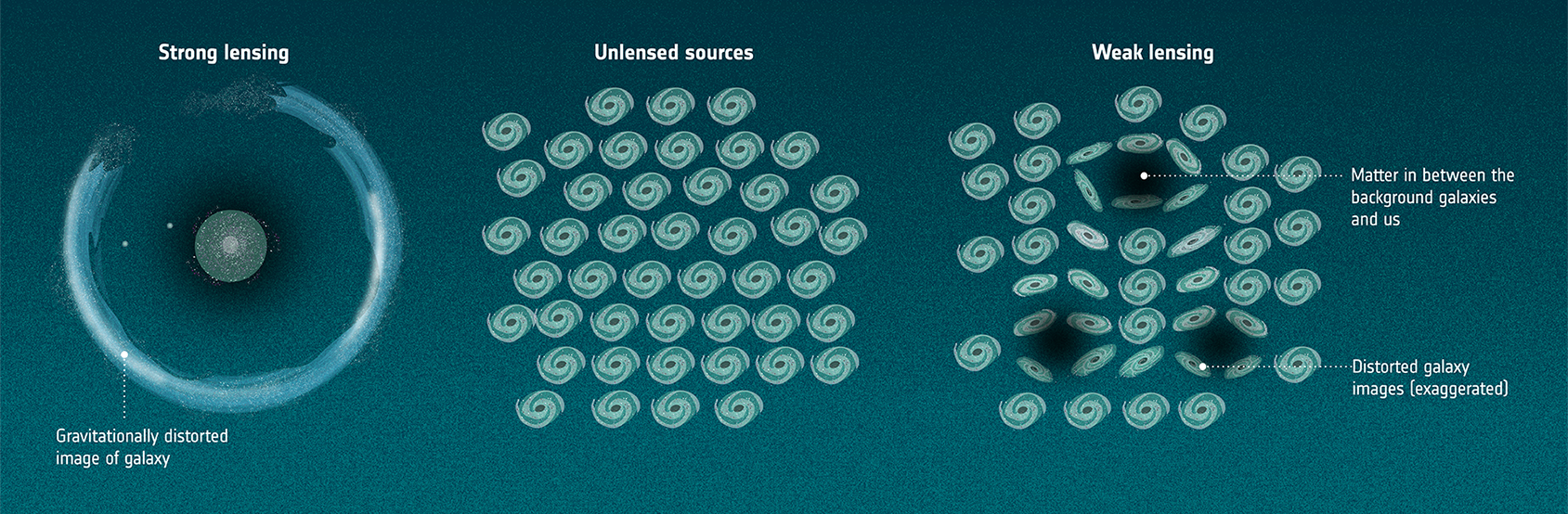
Credit: ESA
- Percent-level effect
- Polluted by shape noise
- Requires a large number of galaxies
Cosmology with cosmic shear
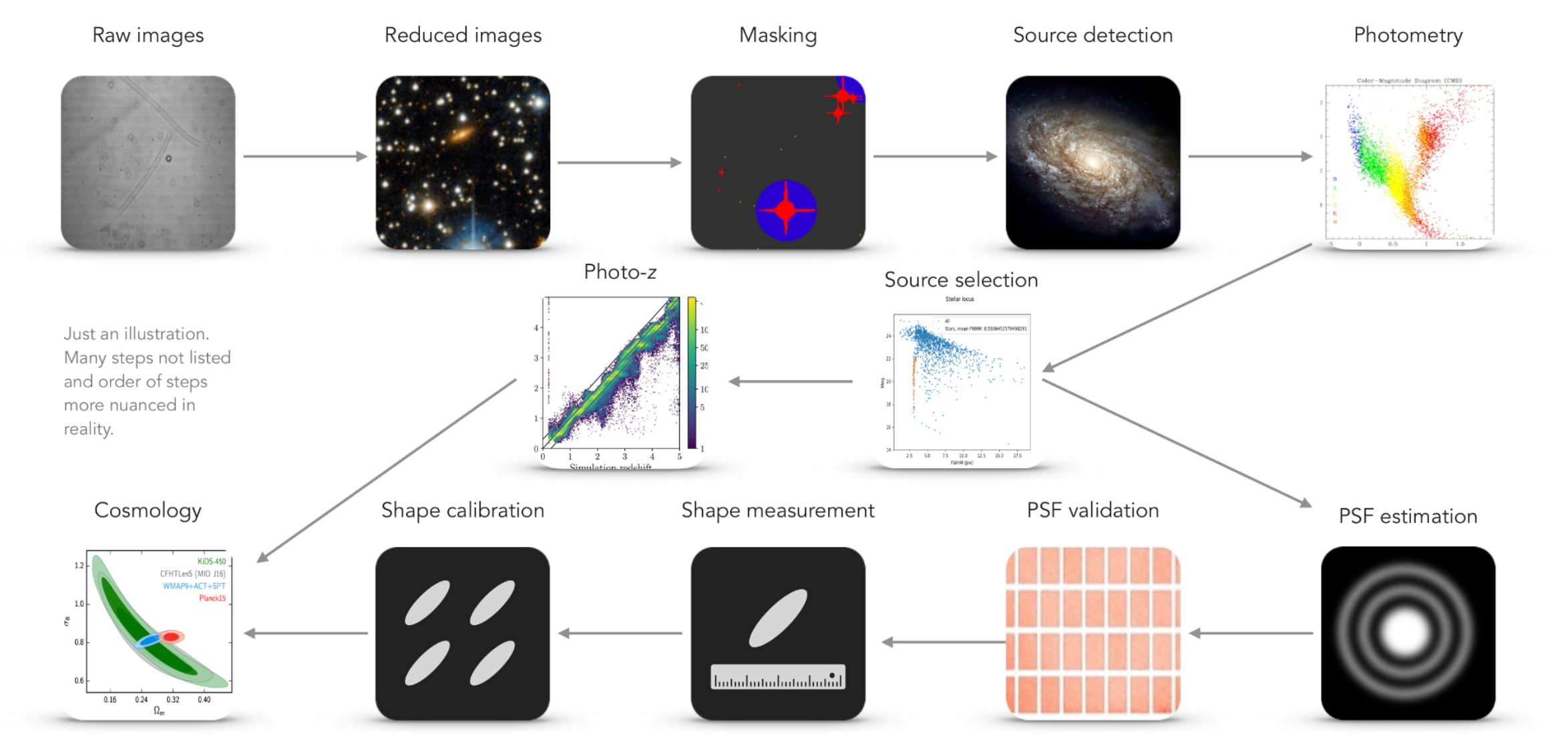
Credit: S. Farrens
I. PSF diagnostics
II. Cosmic shear with 2pt-statistics
III. And beyond
I. PSF diagnostics
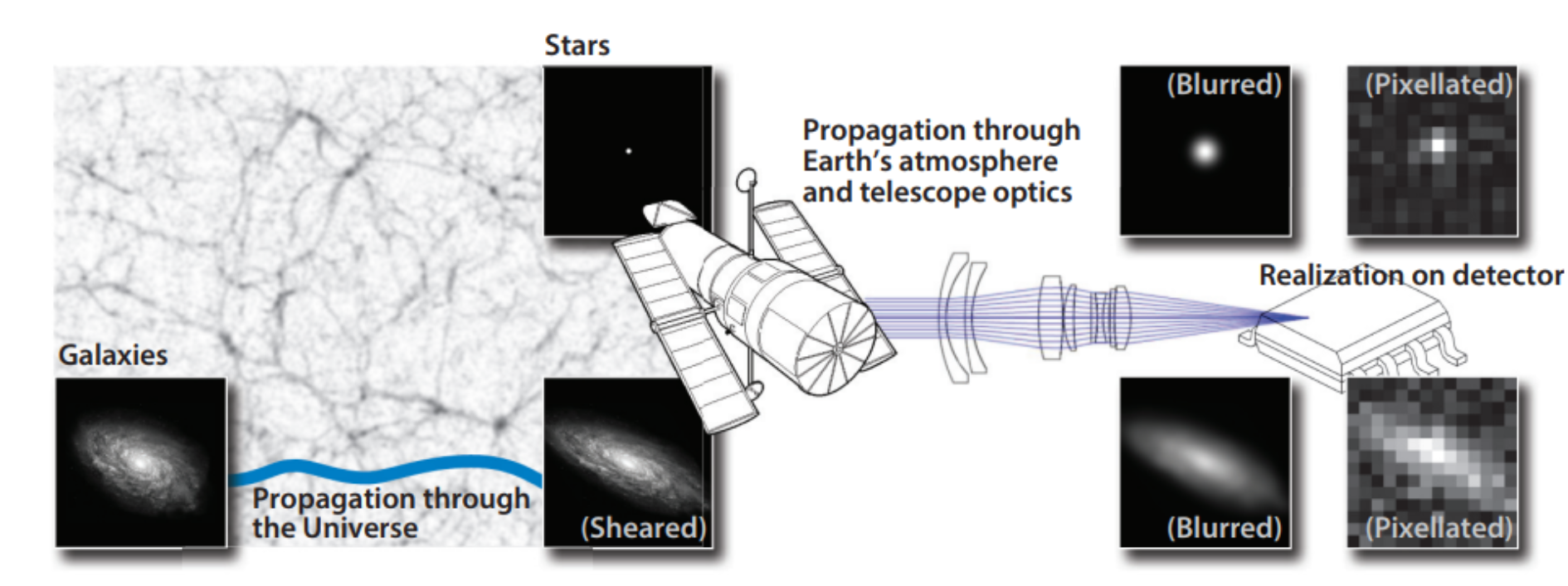
Credit: Mandelbaum (2018)
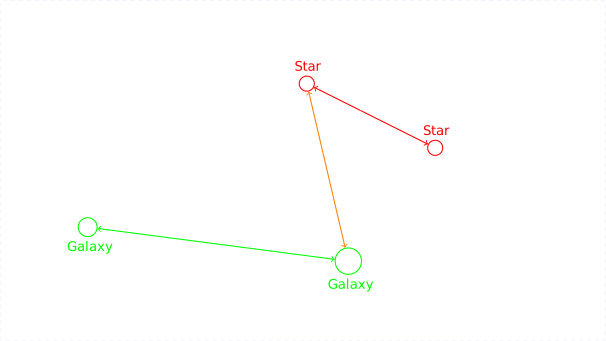
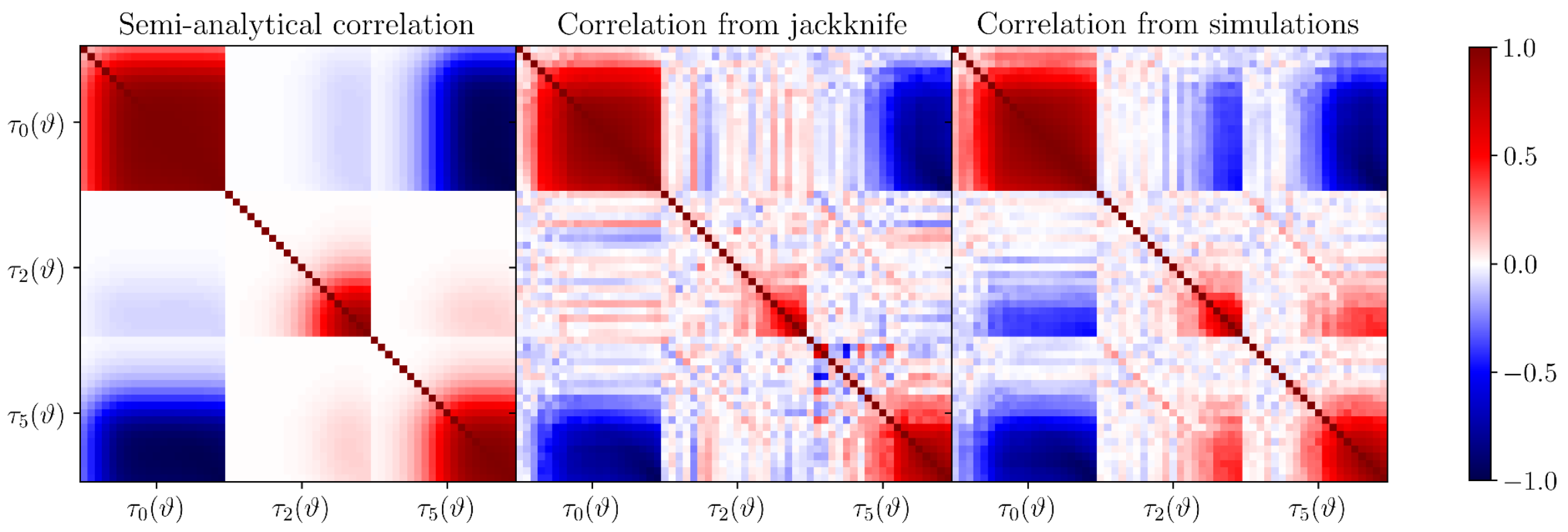
Semi-analytical covariance (Guerrini et al. (2025))
Analytical: based on analytical expressions of the covariance
Semi: No theoretical predictions of the \(\rho\)- and \(\tau\)-statistics. Use measurements on data.
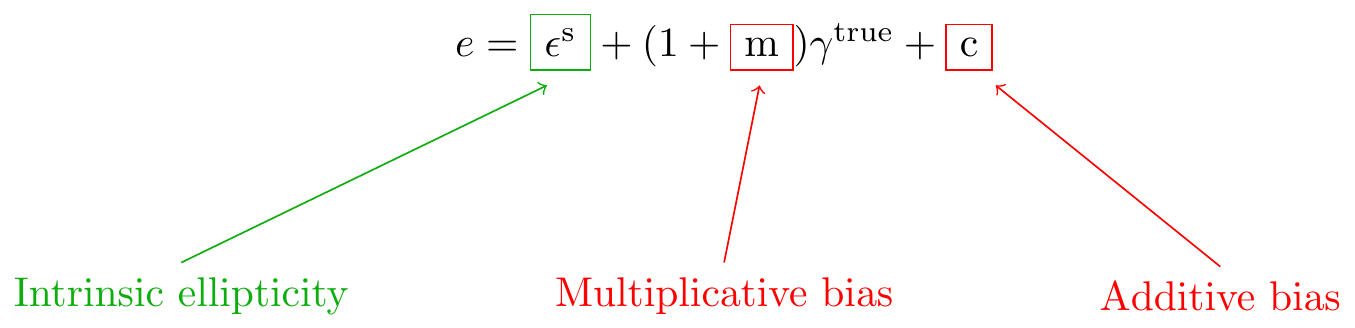
Prediction of the systematic additive bias
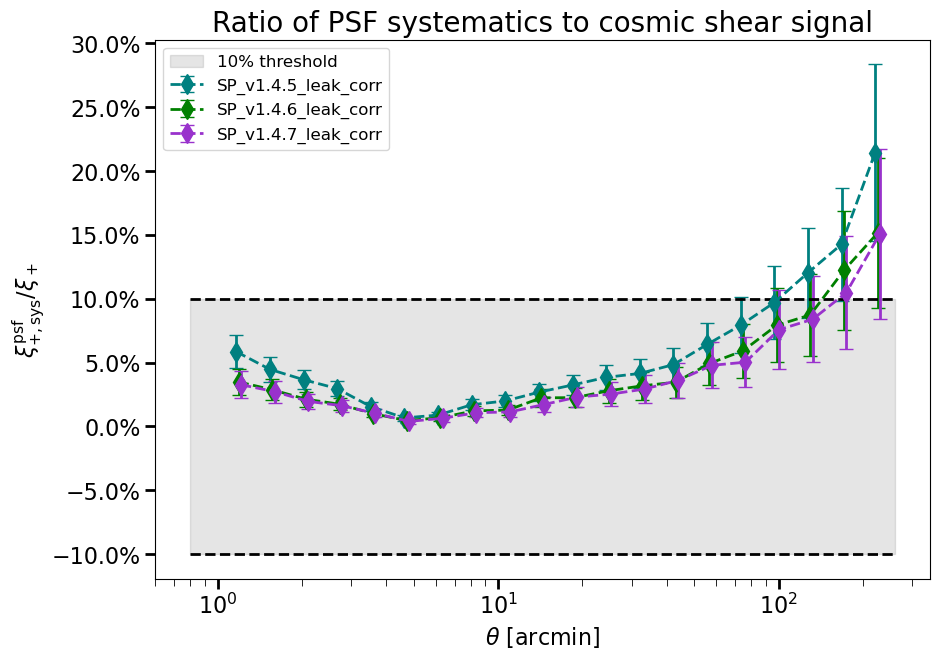
- Here applied to UNIONS but the pipeline currently runs to validate Euclid data processing.
- Can probe heterogeneous contribution to PSF systematics from galaxies with different properties, e.g. magnitude, size
II. Cosmic shear with 2pt statistics
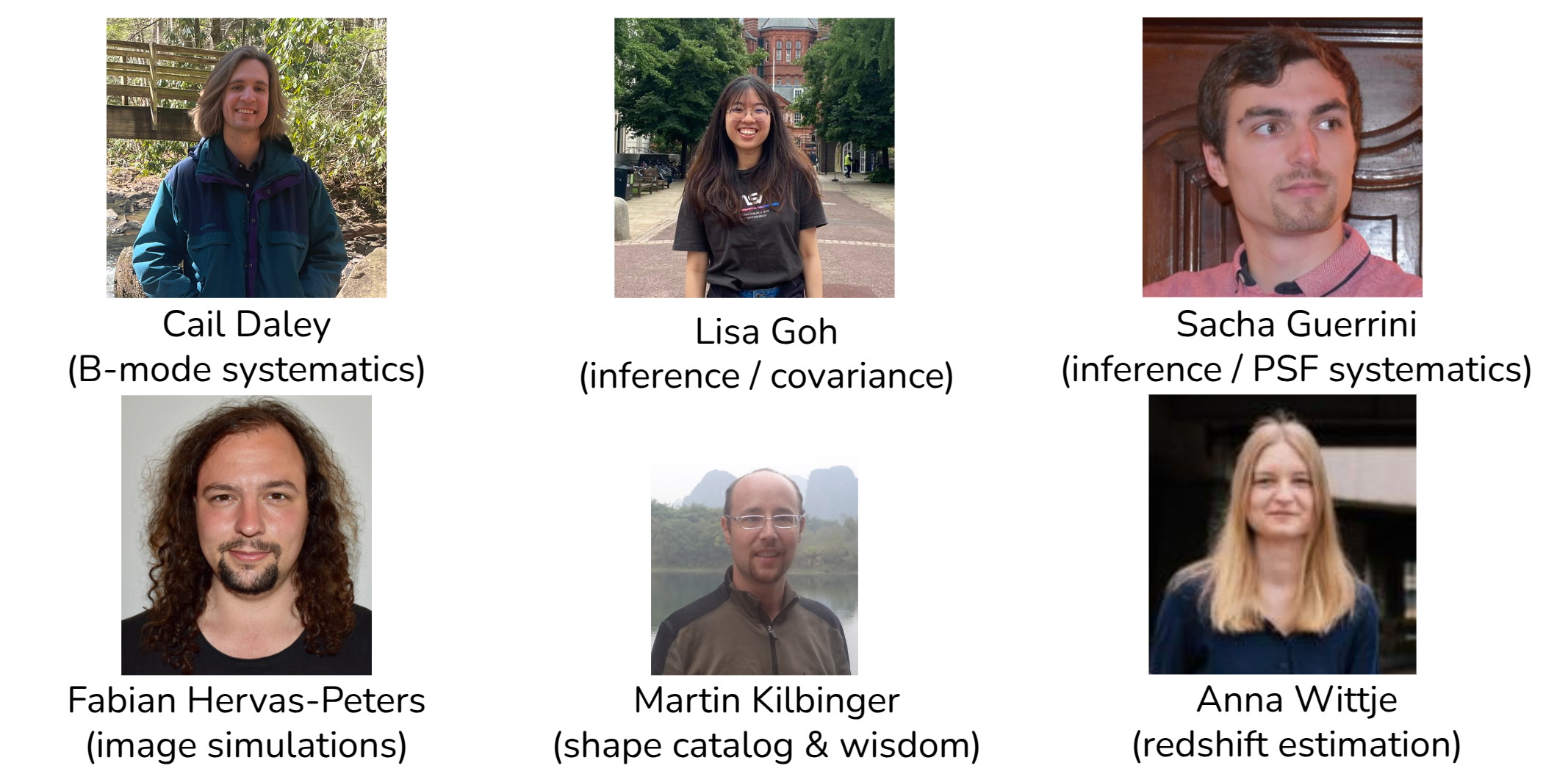
and other contributors…
Analysis details
- Theoretical prediction: CAMB
- Non-linear power spectrum: HMCode2020
- Shear calibration with MetaCalibration.
- Residual multiplicative bias estimated from image simulations. (Hervas Peters et al., in prep.)
- Cosmology pipeline with CosmoSIS.
- Analysis in real space (Goh et al., in prep.) and harmonic space (Guerrini et al., in prep.).
- PSF systematics accounted for in the inference.
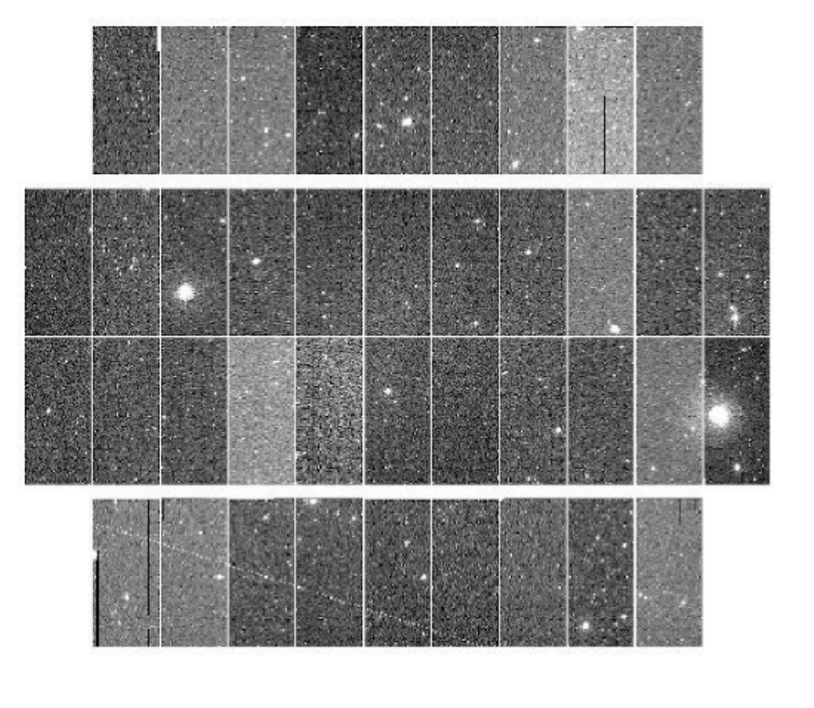
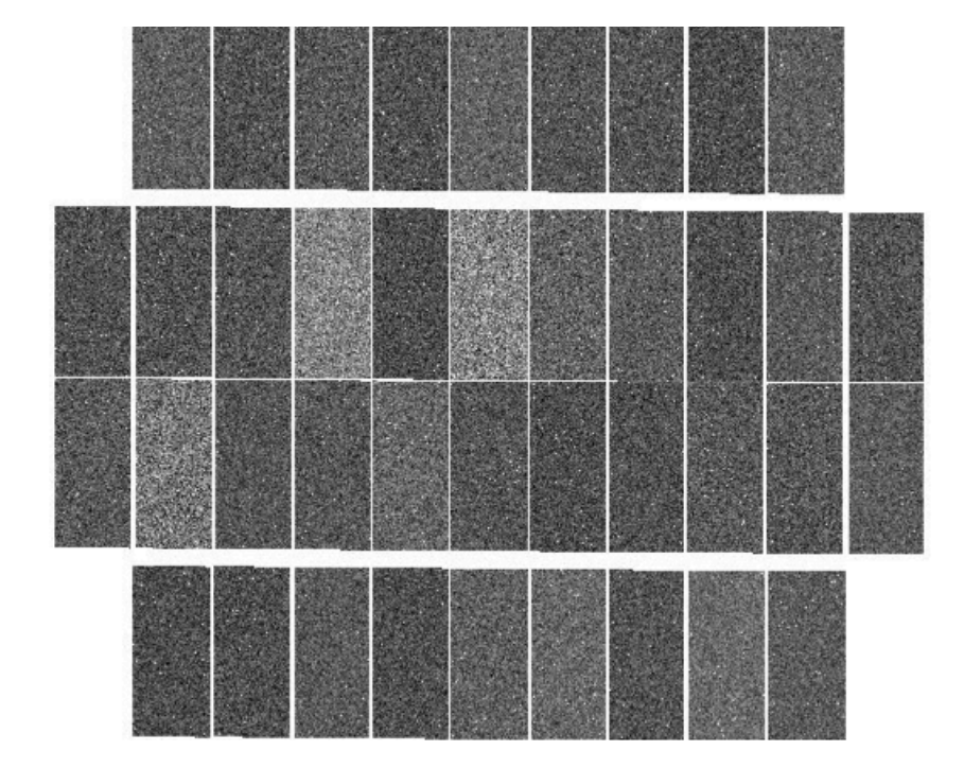
B-modes systematics
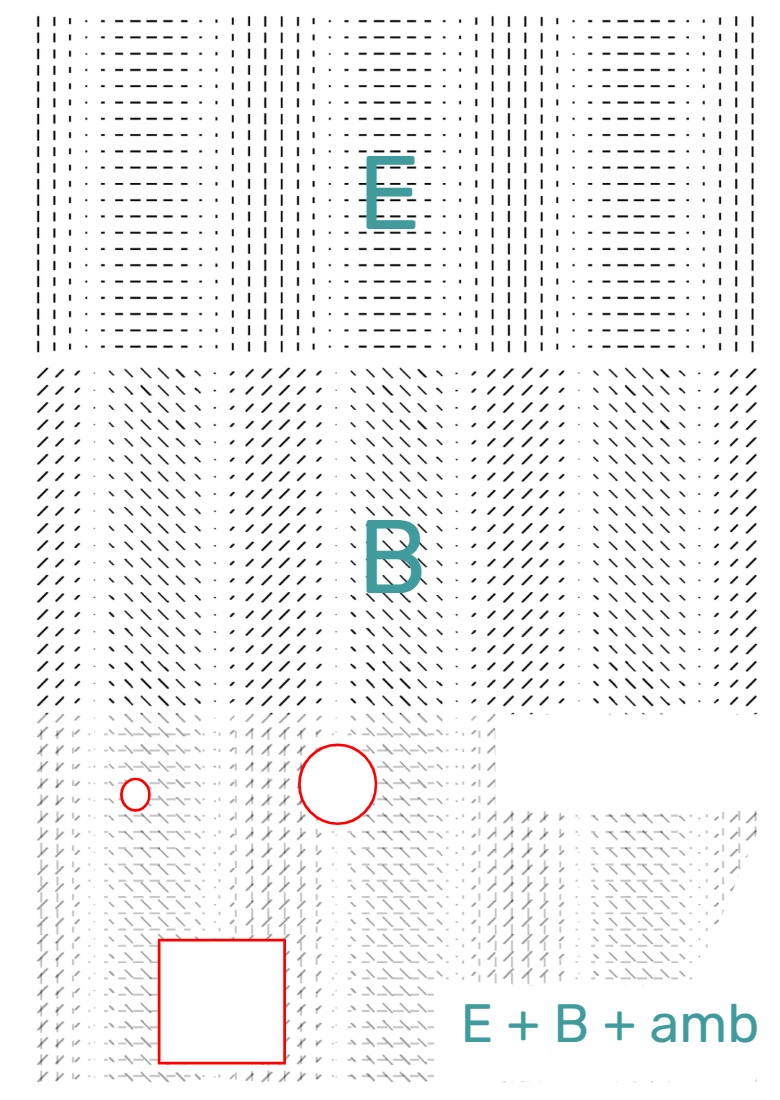
Spin-2 shear fields can be decomposed into E-modes, containing the vast majority of lensing information, and B-modes, which are a probe of systematics at UNIONS noise levels.
In the presence of masking, some ambiguous modes usually cannot be cleanly attributed to E or B.
We use three B-mode approaches: pure correlation functions, COSEBIS, and pseudo-\(C_\ell\).
B-modes in harmonic space
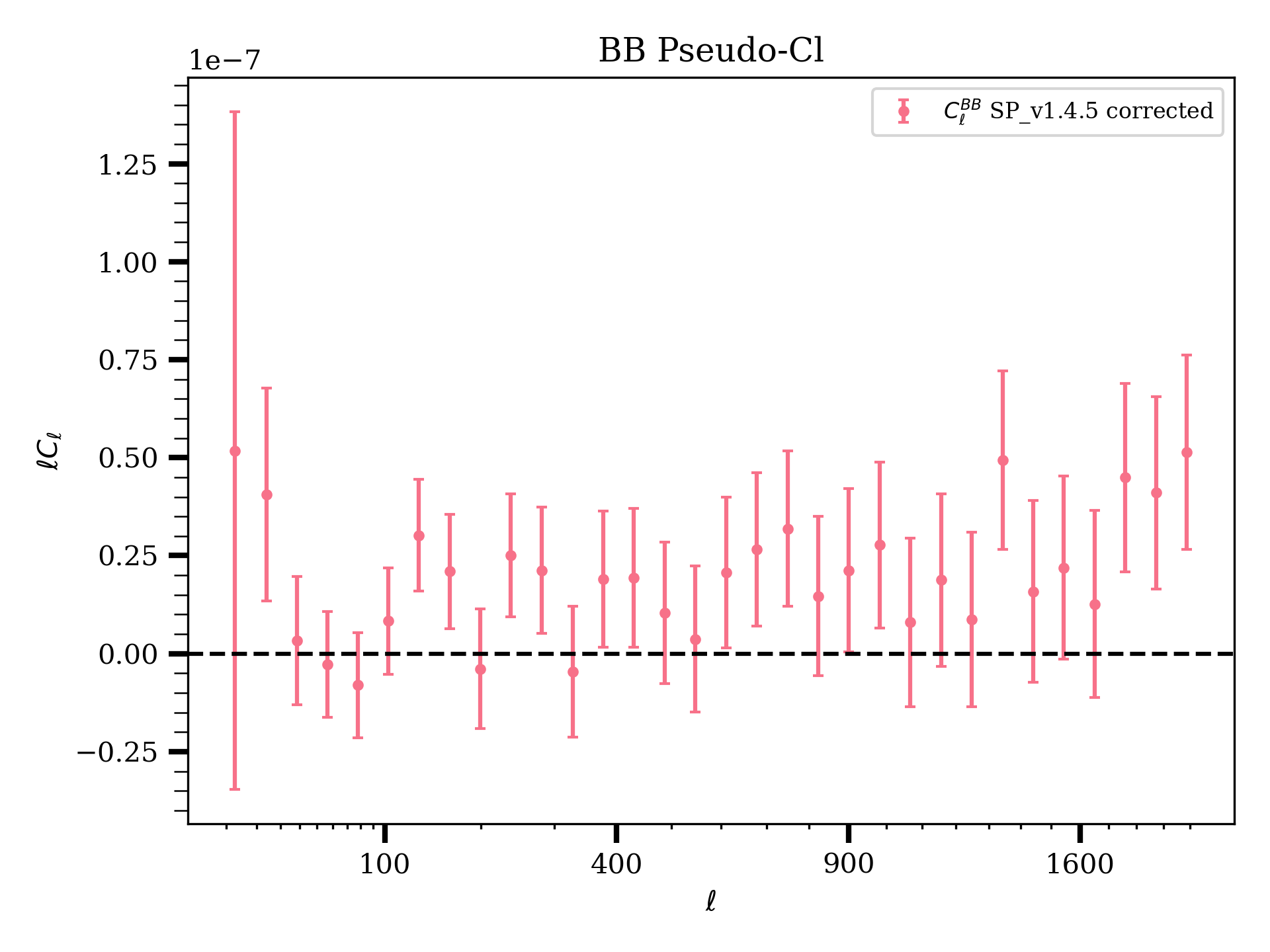
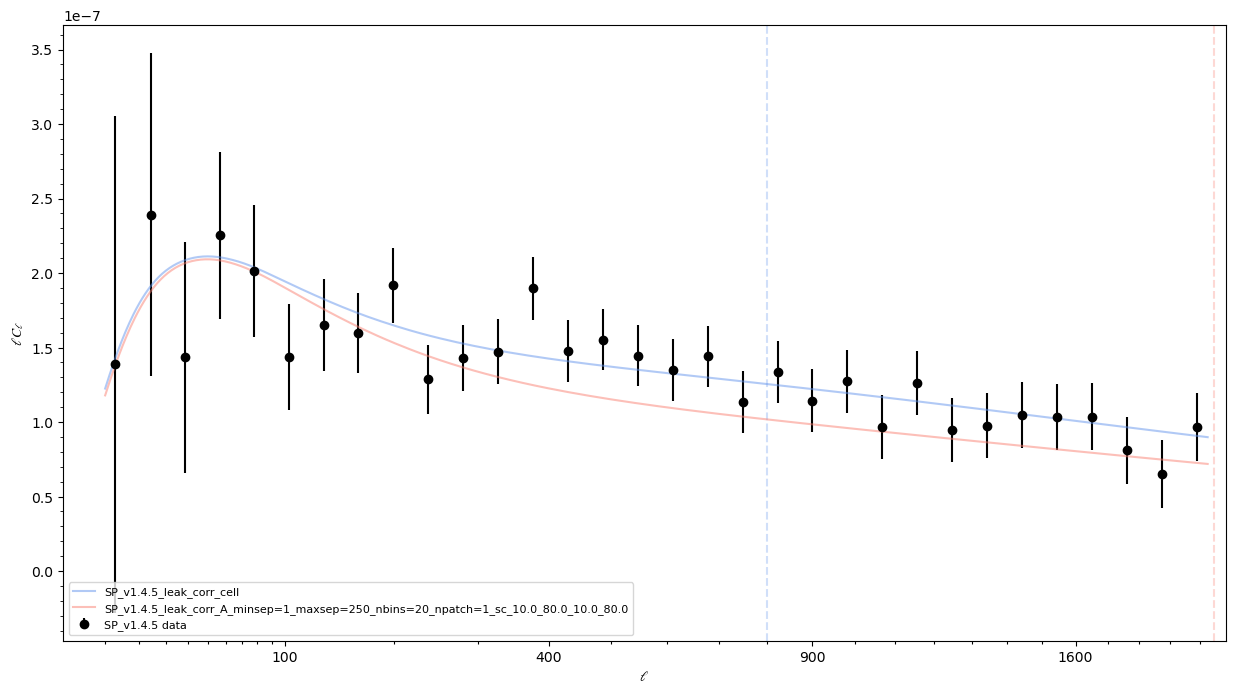
B-modes on the smallest scales. Lower significance after removing the smallest objects from the catalogue. Data points and errorbars obtained with NaMaster.
Covariance (harmonic space)
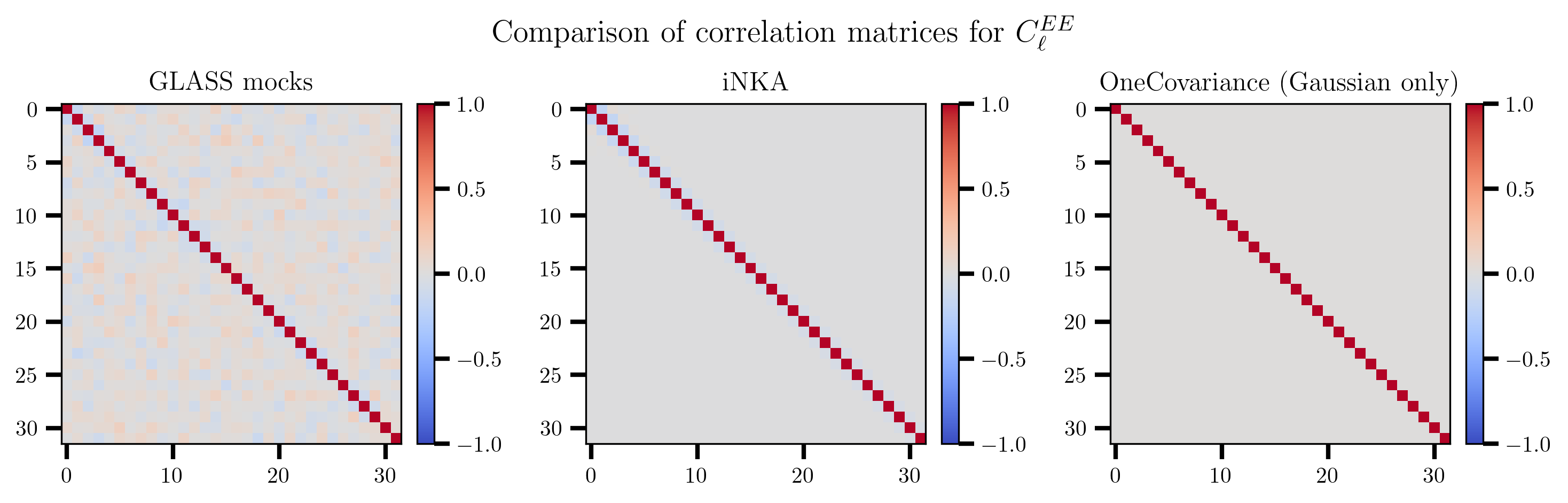
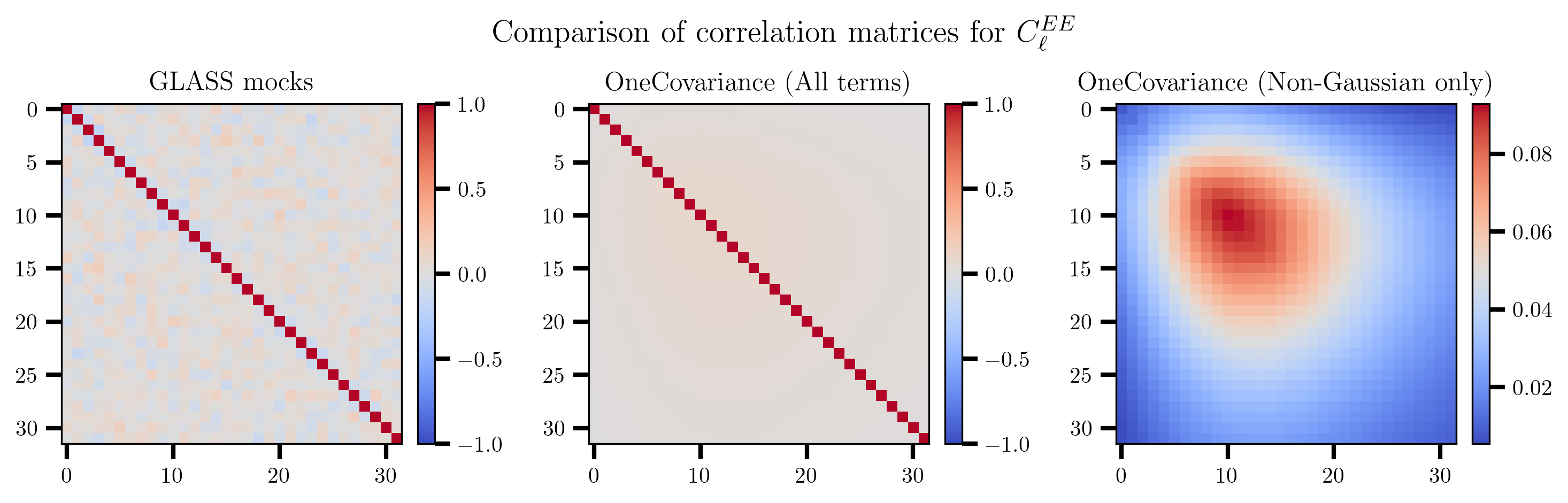
Gaussian covariance accounting for mask mode-coupling with iNKA (Namaster). Validation against OneCovariance (theory code) and GLASS mocks.
Agreement between the error bars at the \(10\%\) level
Inference
Real space \(\xi_\pm(\vartheta)\)
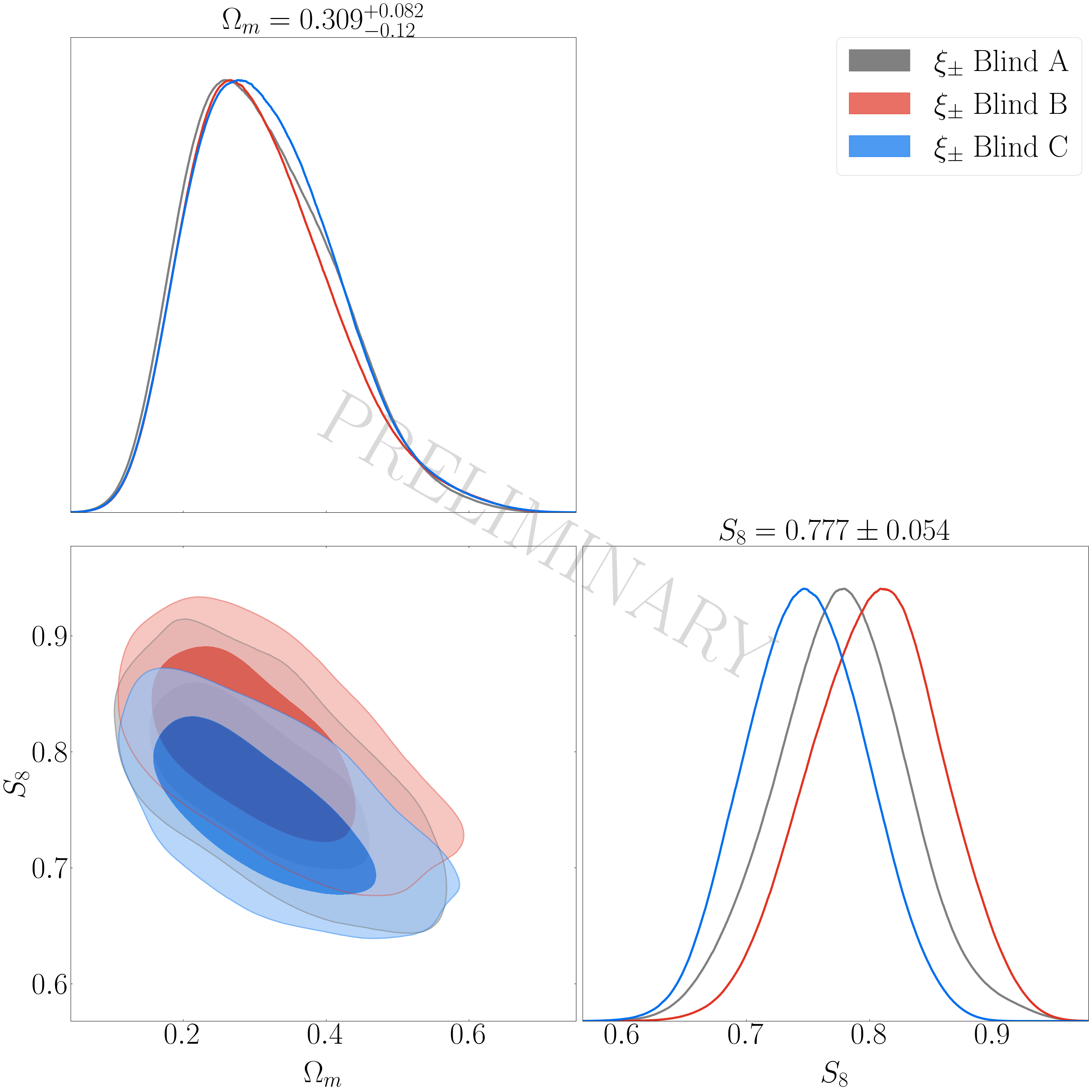
Harmonic space \(C_\ell\)
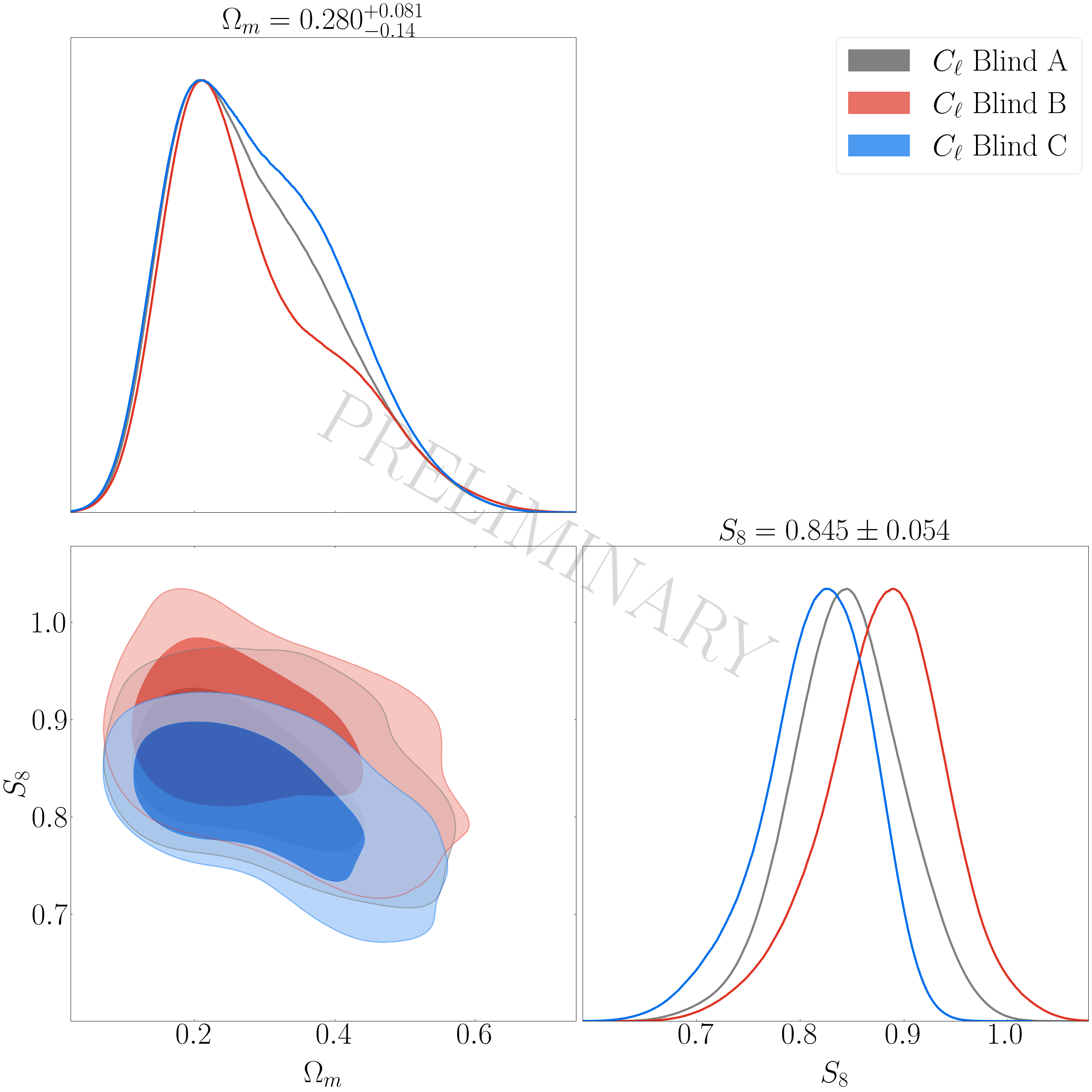
\(\sim 2\times\) larger than DES, KiDS or HSC.
Non-tomographic analysis significantly reduces constraining power.
III. Beyond 2pt statistics
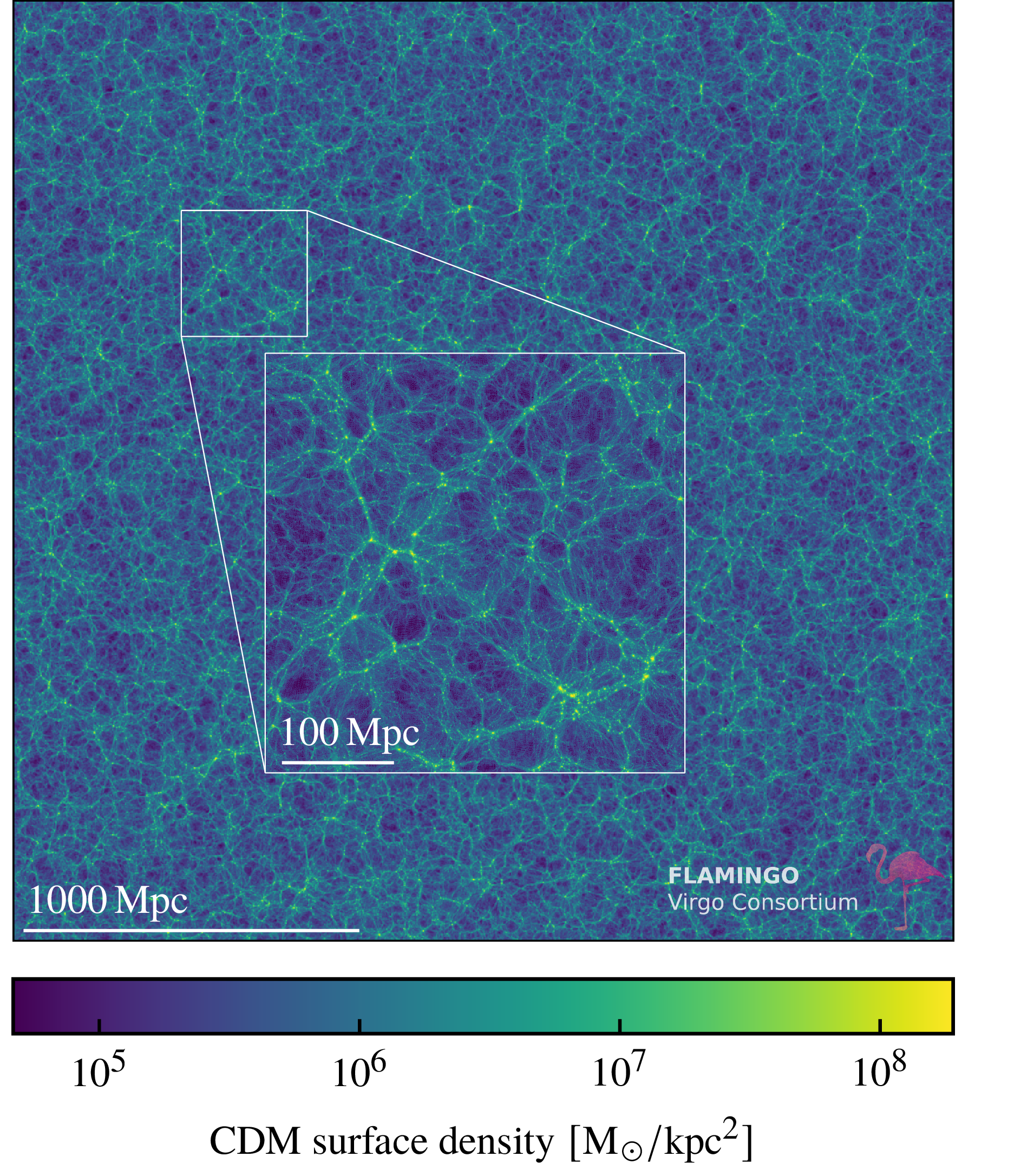
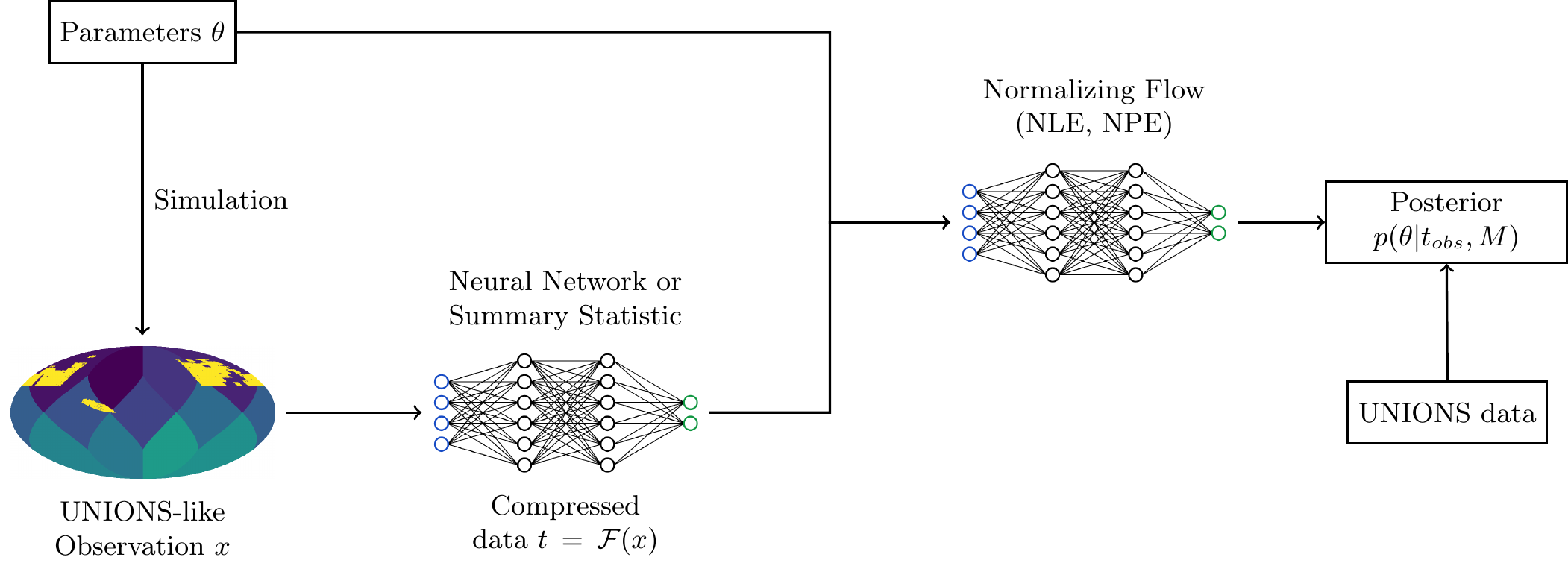
Implicit Likelihood Inference (also known as SBI)
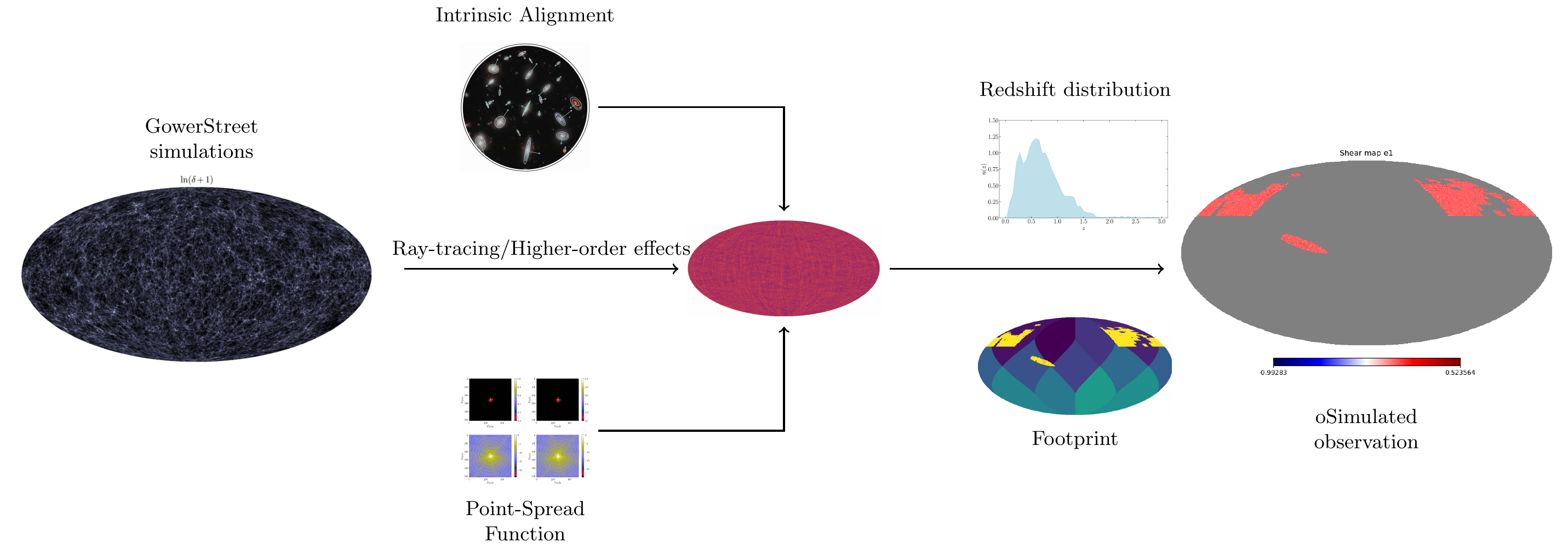
UNIONS forward model
Available on GitHub, adapted from DESY3 analysis
JaxILI on a cosmological toy model
Cosmological parameters: \(A_\mathrm{s}\), \(n_\mathrm{s}\), \(f_\mathrm{NL}\)
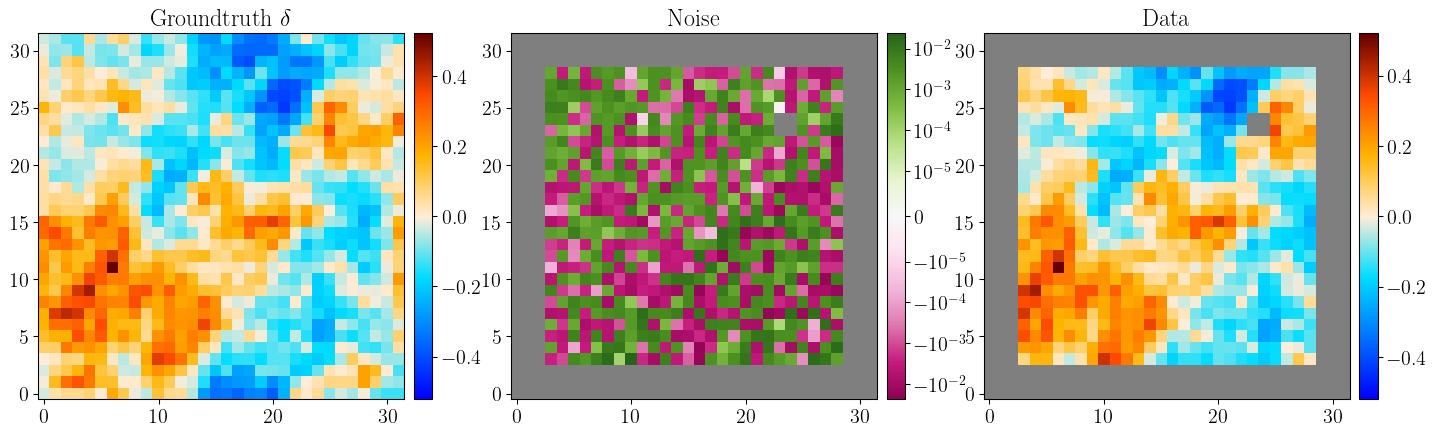
Go here for more
Goal: Obtain constraints on the cosmological parameters using pixel level information.
JaxILI on a cosmological toy model
Cosmological parameters: \(A_\mathrm{s}\), \(n_\mathrm{s}\), \(f_\mathrm{NL}\)
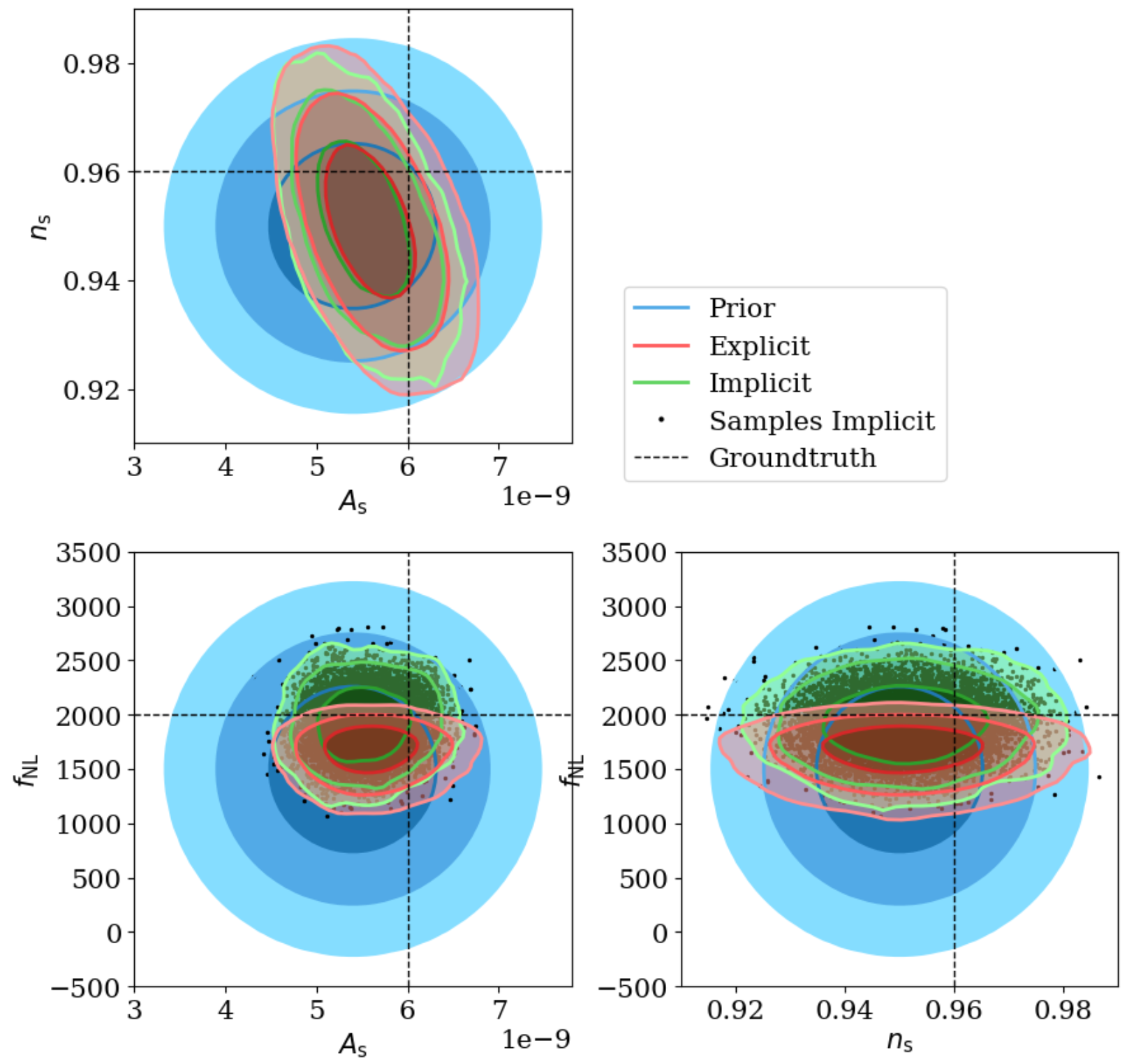
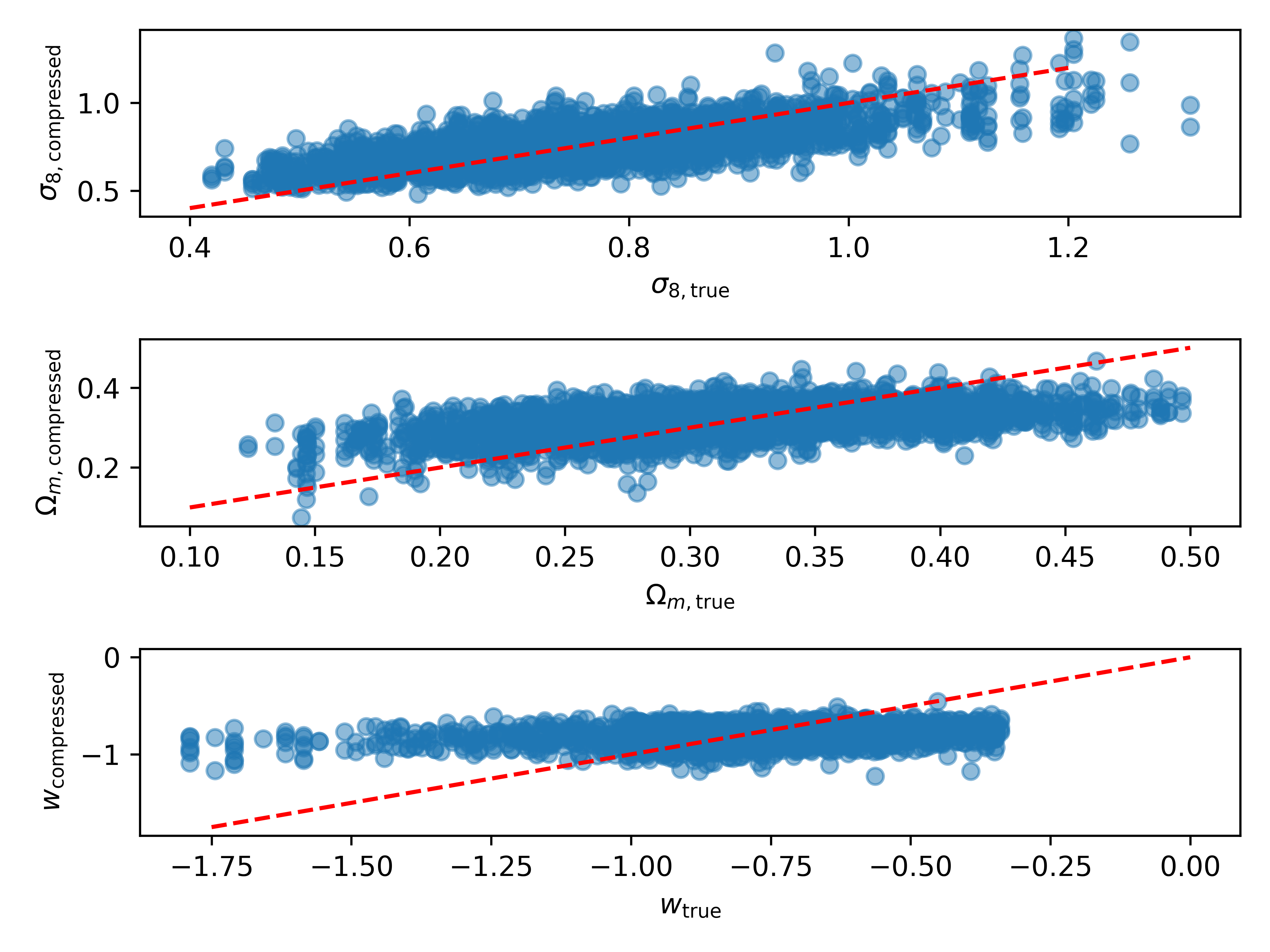
- Implicit contours obtained with MSE compression.
- Loss of information compared to Explicit inference.
- Unbiased constraints obtained.
An application of JaxILI in Euclid
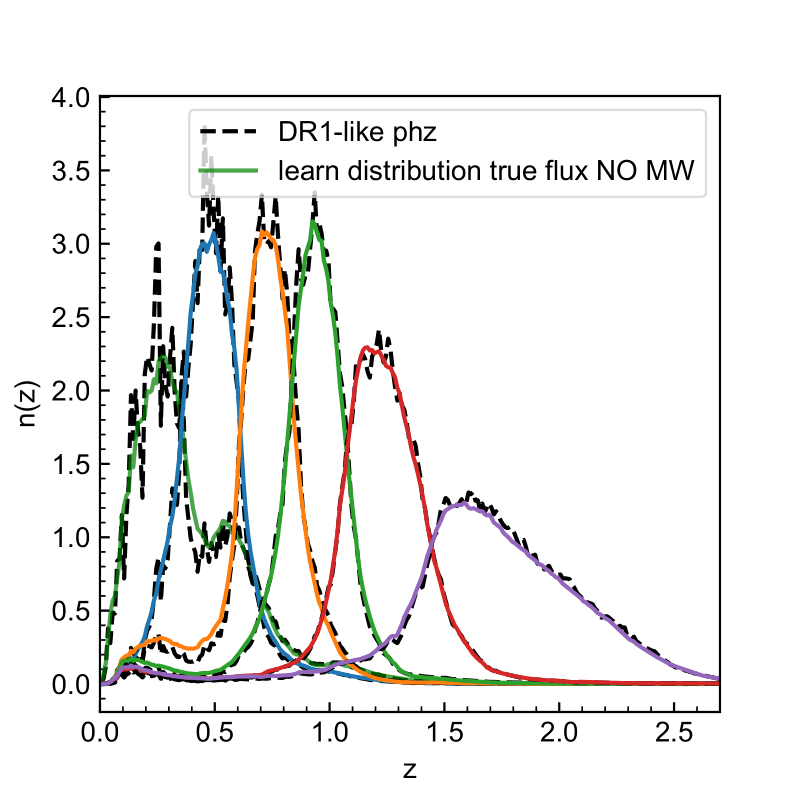
Simulation of realistic redshift distributions using Normalizing Flow.
\(p(z_\mathrm{noisy} | z_\mathrm{true}, \mathrm{Flux})\) infered with Neural Posterior Esimation
Application to UNIONS data
- CNN optimal compression
- Extract information at the pixel level.
- Cut the footprint in patches.
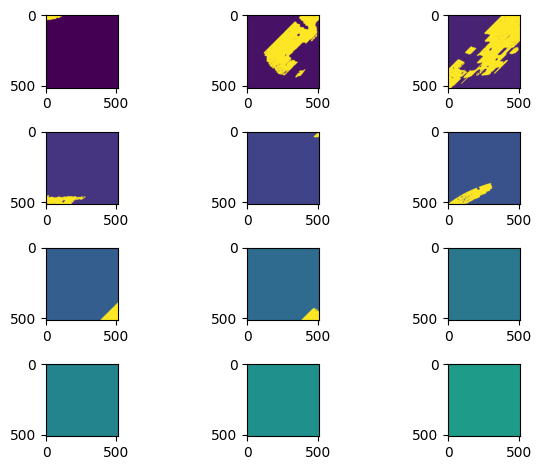
Application to UNIONS data
Project in stand-by due to changes in the fiducial analysis.
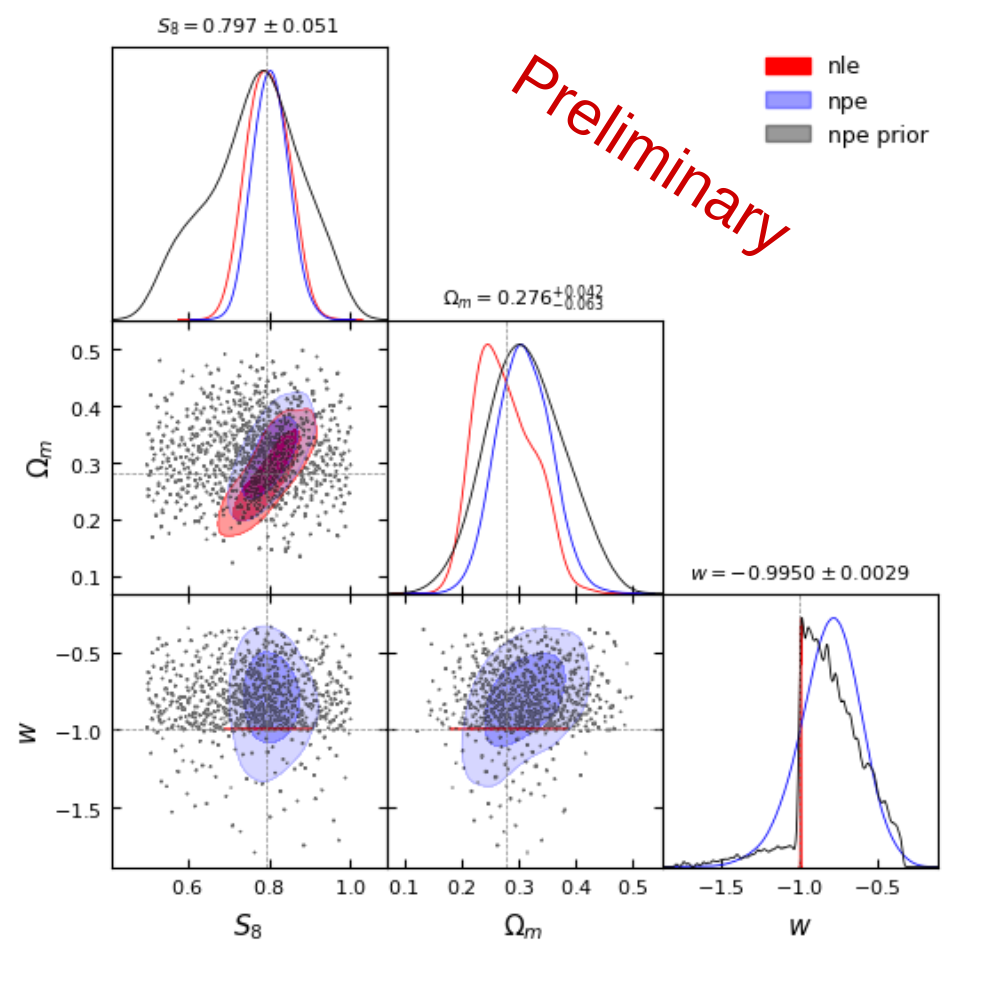
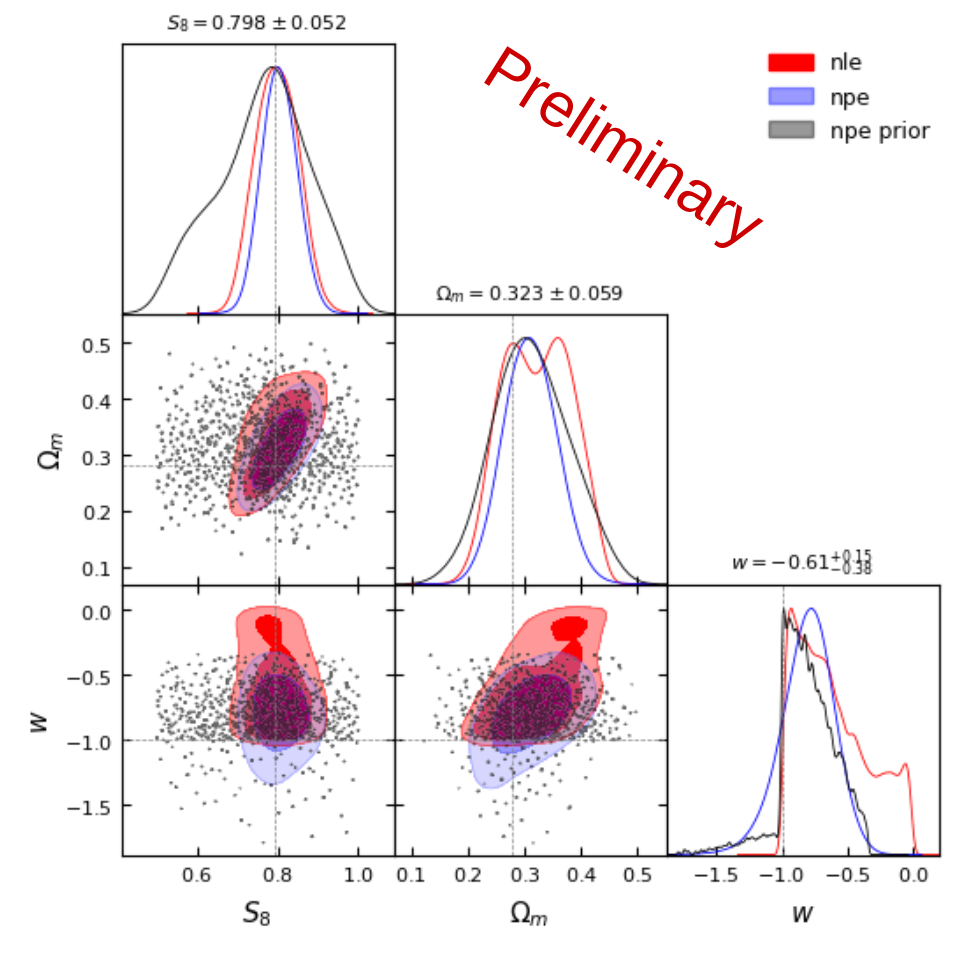
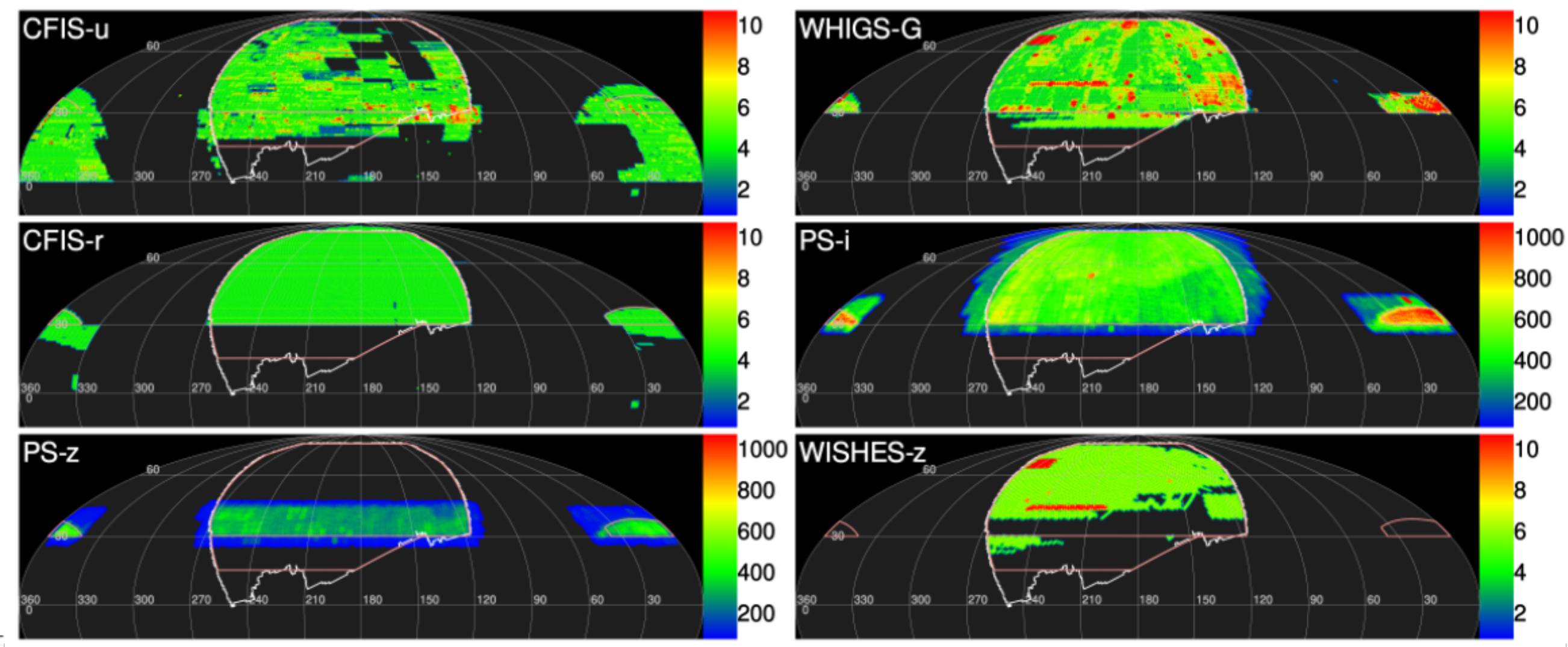
Extra material: UNIONS multi-band coverage
Extra material: MetaCalibration
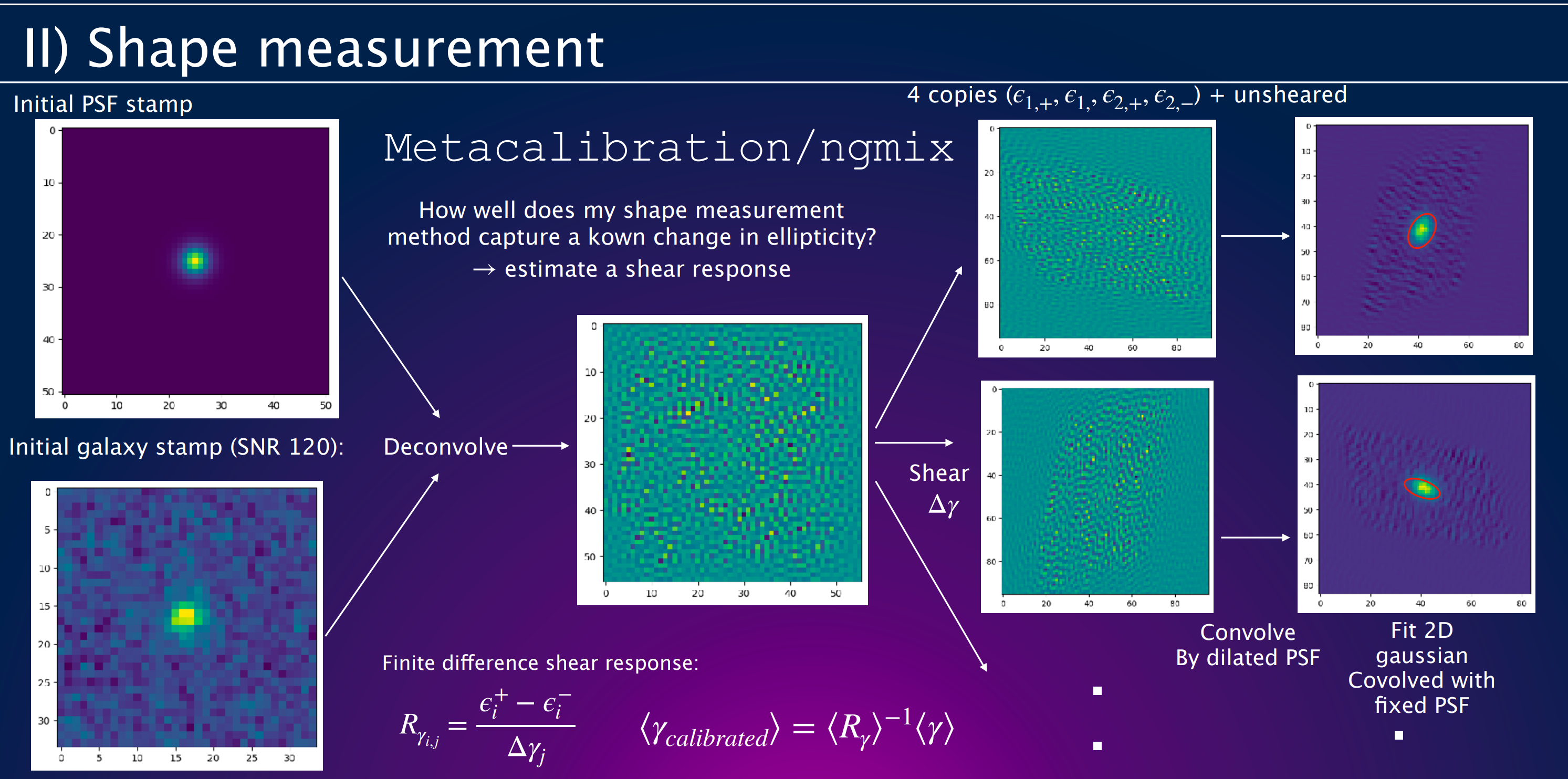
Credit: F. Hervas Peters
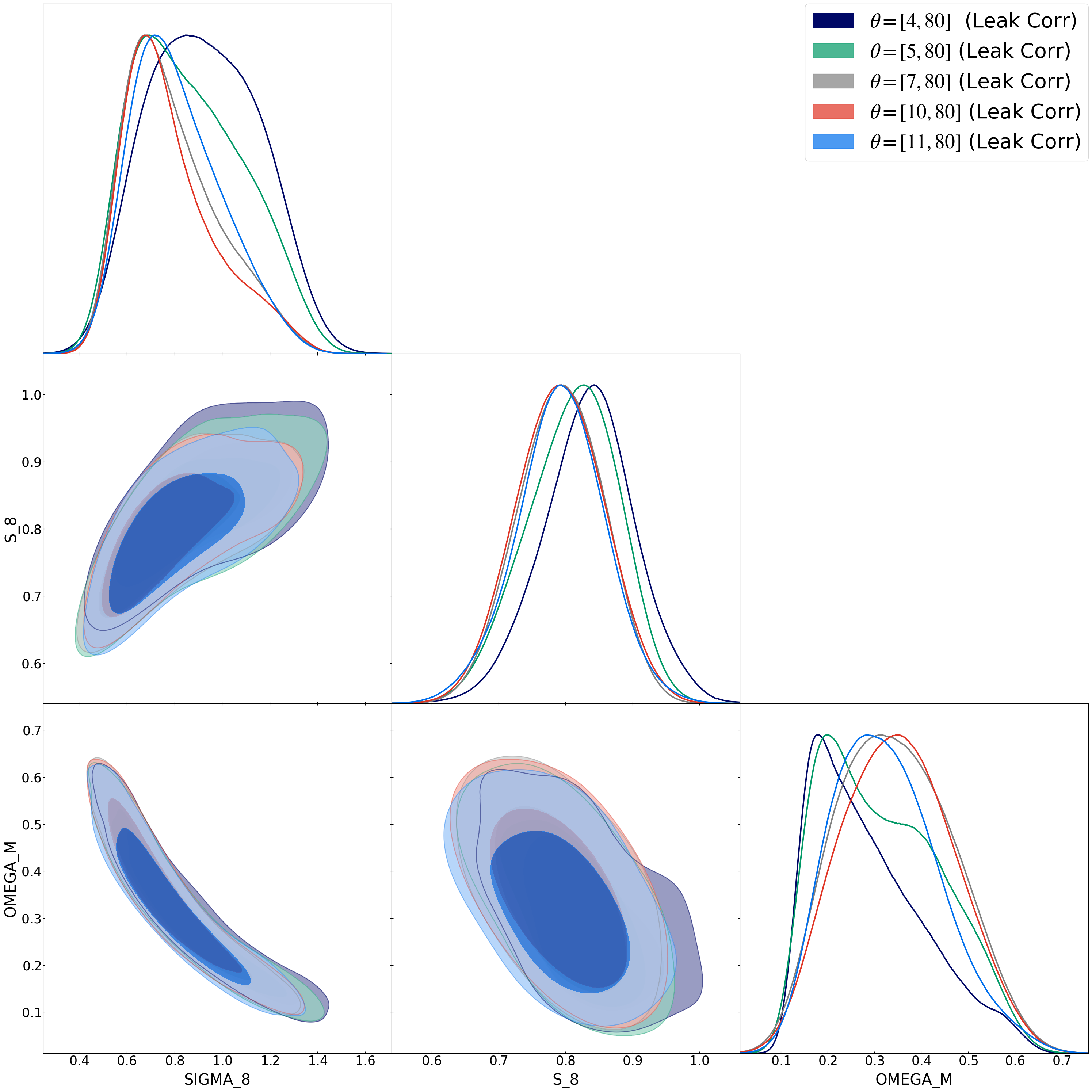
Extra material: Scale cuts
Pure B-mode correlation functions
\[ \xi_+^{E/B}(\vartheta) = \frac 1 2 \left[\xi_+(\vartheta) \pm \xi_-(\vartheta) + \int_\vartheta^{\vartheta_\mathrm{max}}\frac{\mathrm{d}\theta}{\theta} \xi_-(\theta) \left(4 - \frac{12\vartheta^2}{\theta^2} \right) \right] - \frac 1 2 \underbrace{[S_+(\vartheta) \pm S_-(\vartheta)]}_{\text{Integrals of $\xi_\pm$ with filter functions}} \]
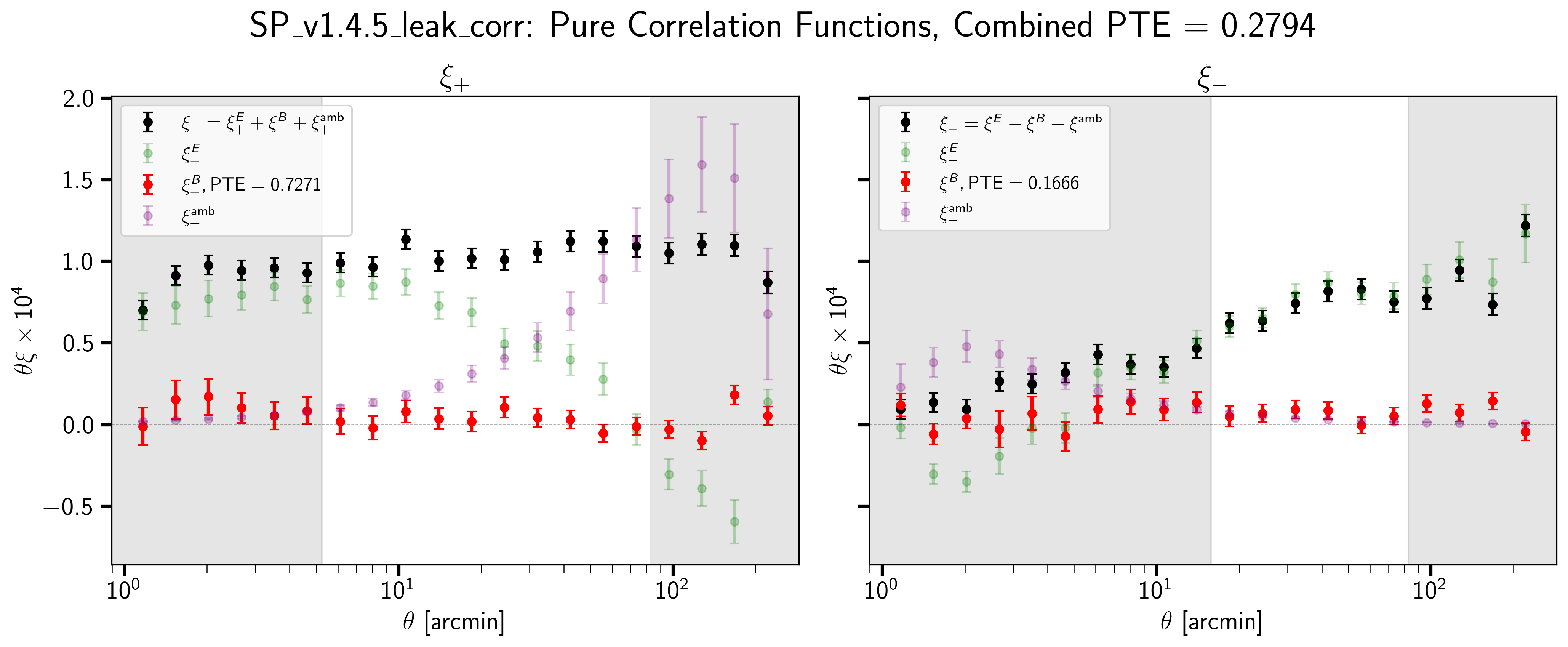
B-modes on small scale (\(\sim 3'\) in \(\xi_+\) and \(\sim 30'\) in \(\xi_-\)); large scales are ok.
B-modes with COSEBIS
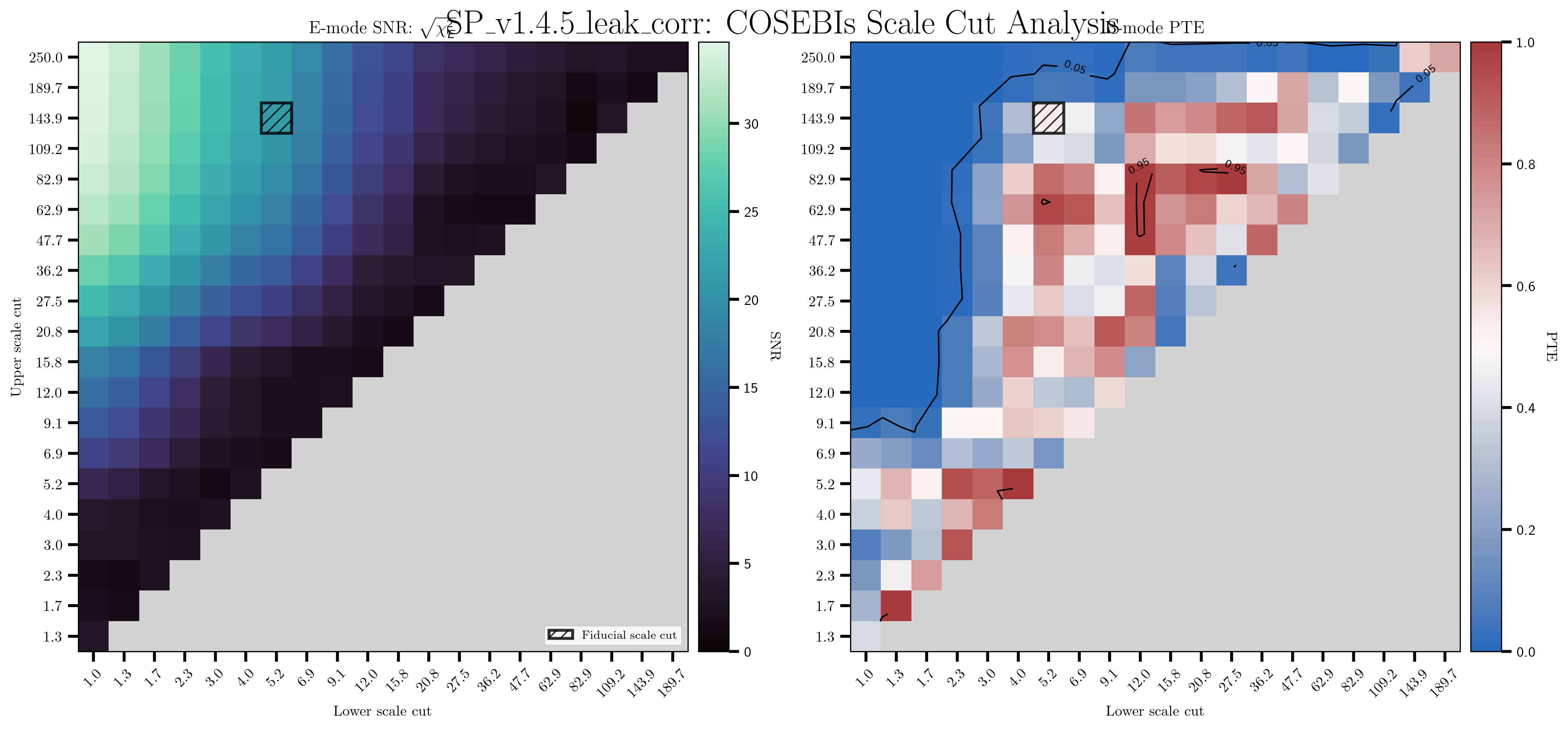
Pure functions and COSEBIS tell the same story.
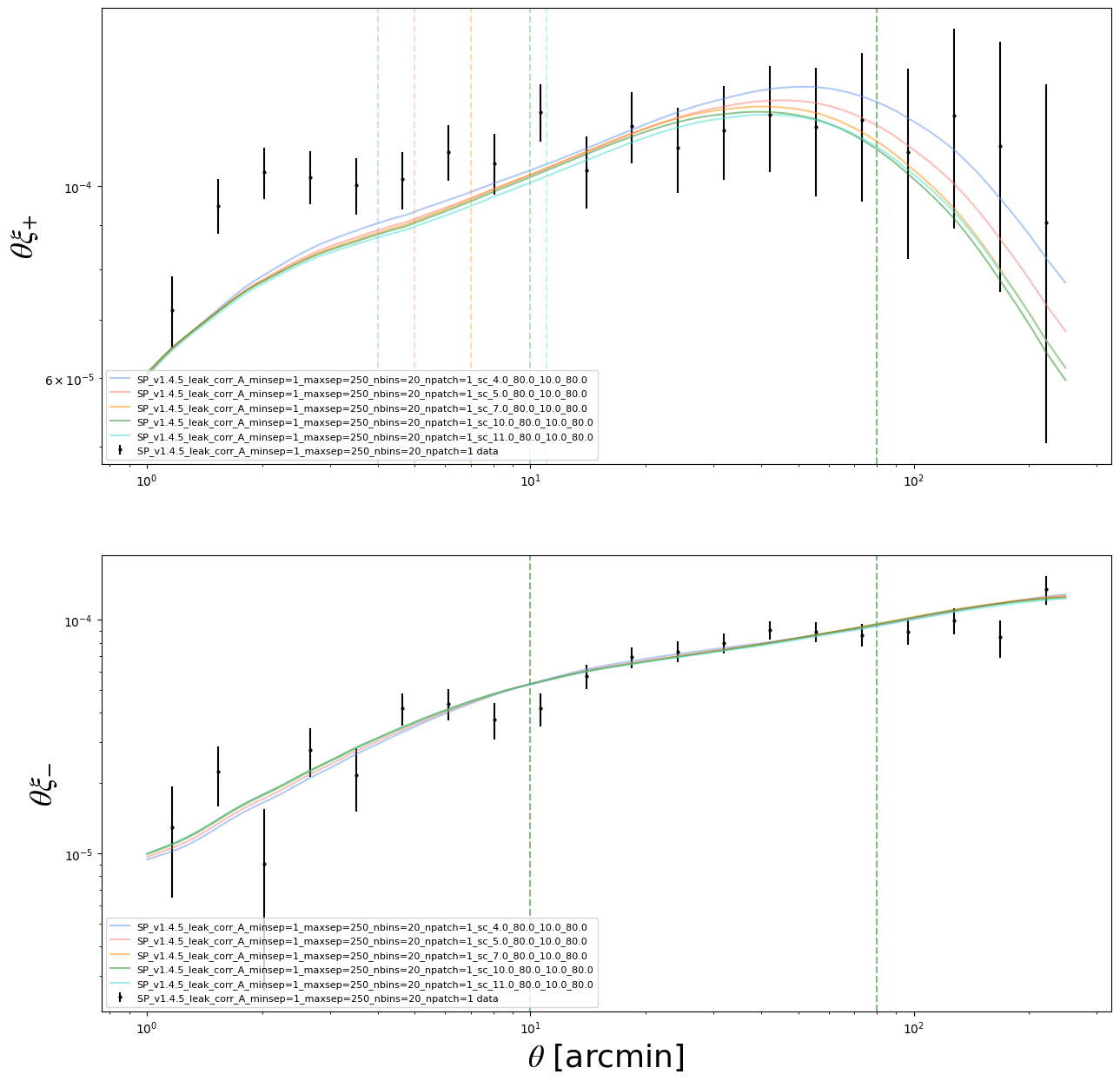
Extra material: Best-fit
Extra material: \(S_8\) constraints
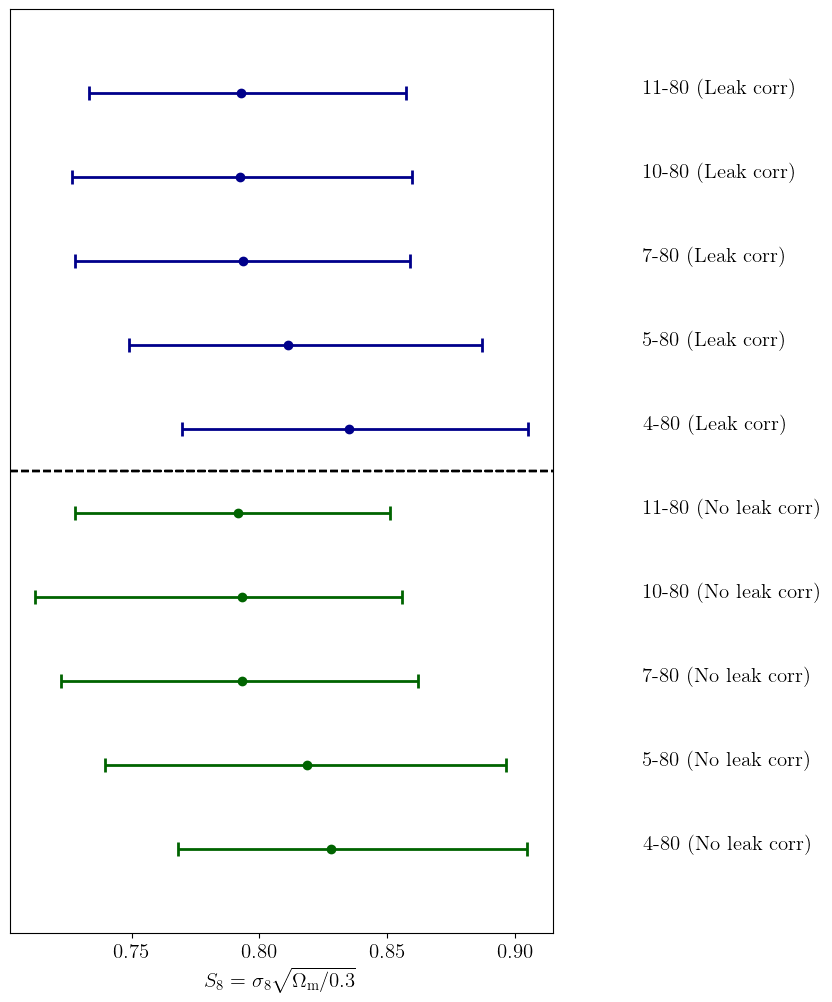
Extra material: real space vs harmonic space
Extra material: MSE compression