Constraining cosmology with weak gravitational lensing
lessons learned from the Ultraviolet Near-Infrared Optical Northern Survey (UNIONS)
Cosmological context: \(\Lambda\)CDM
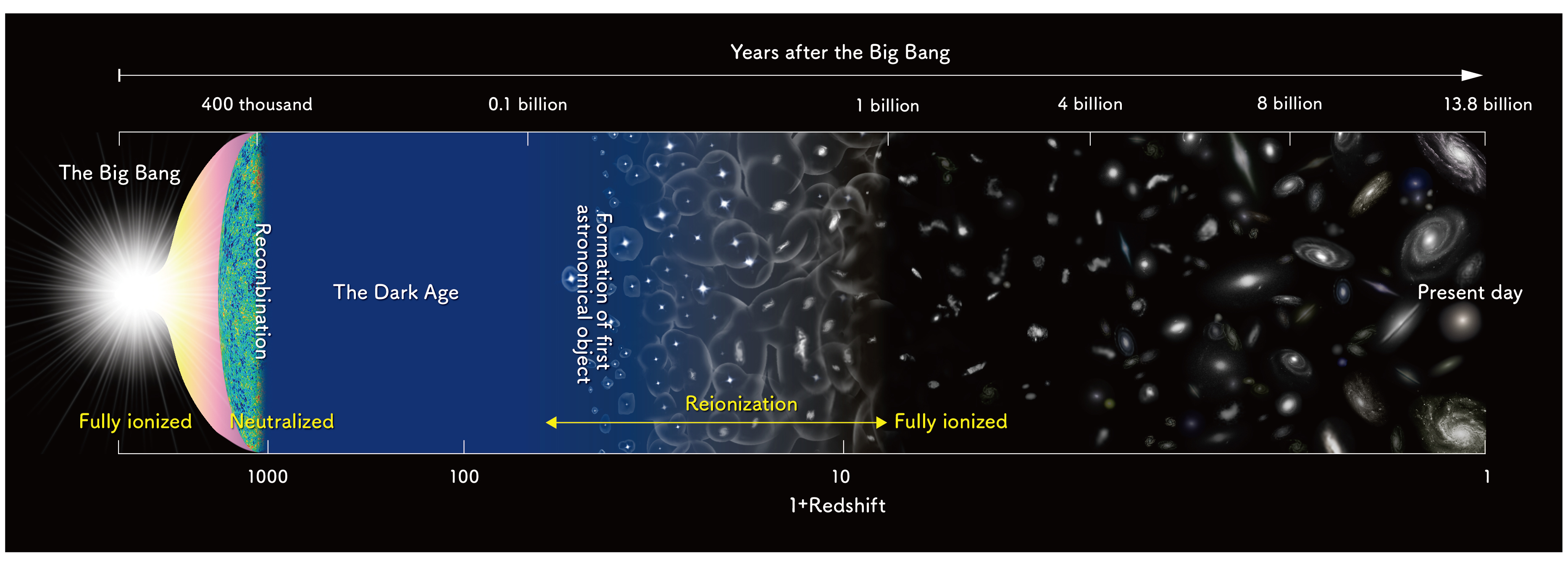
Credit: NAOJ
\[\begin{align} \left. \begin{array}{cc} H_0 & \text{Expansion rate}\\ \Omega_m & \text{Matter density}\\ \Omega_b & \text{Baryon density}\\ \sigma_8 & \text{Clumpiness}\\ w & \text{EoS of dark energy} \end{array} \right\} \text{Constrained using Bayesian inference} \end{align}\]
Cosmological probes and history of the Universe
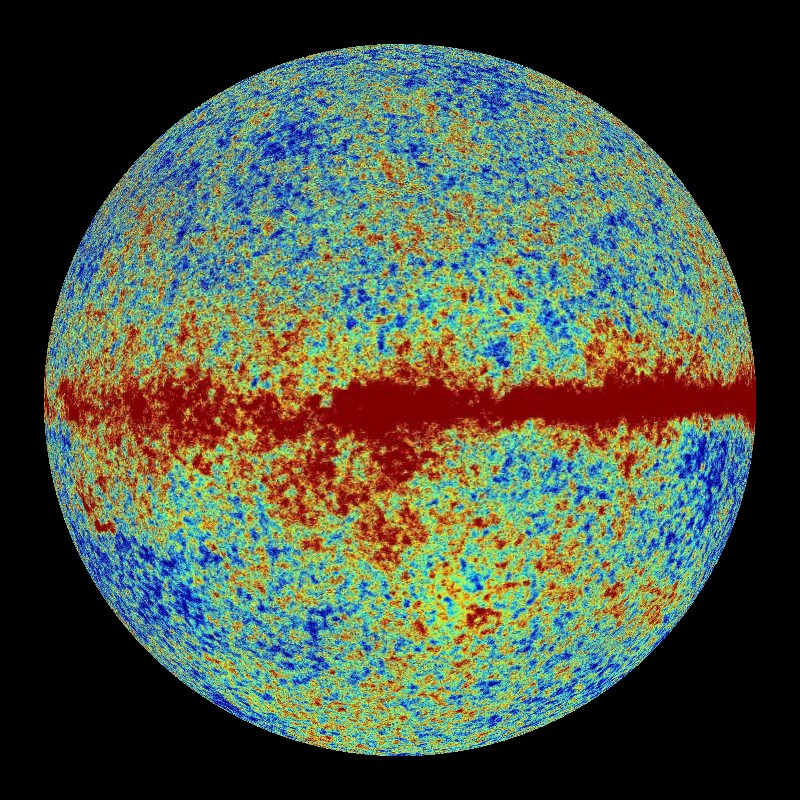
CMB
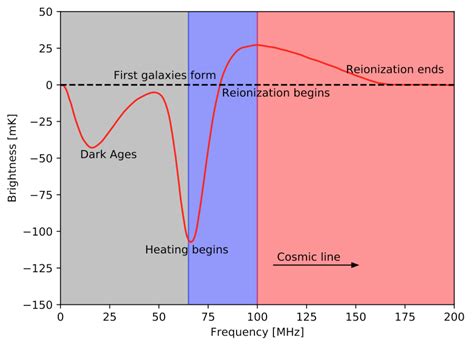
21cm/intensity mapping
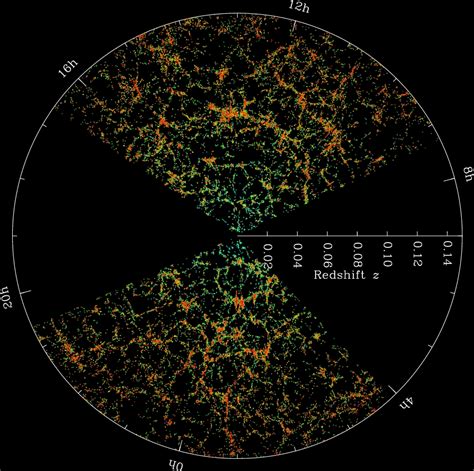
Galaxy clustering
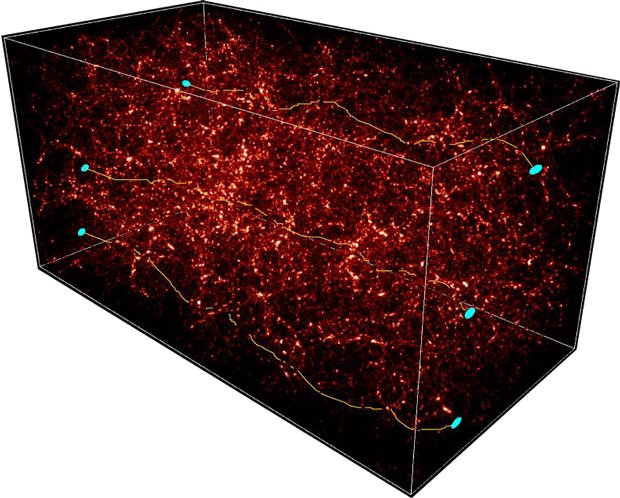
Weak lensing
Weak gravitational lensing
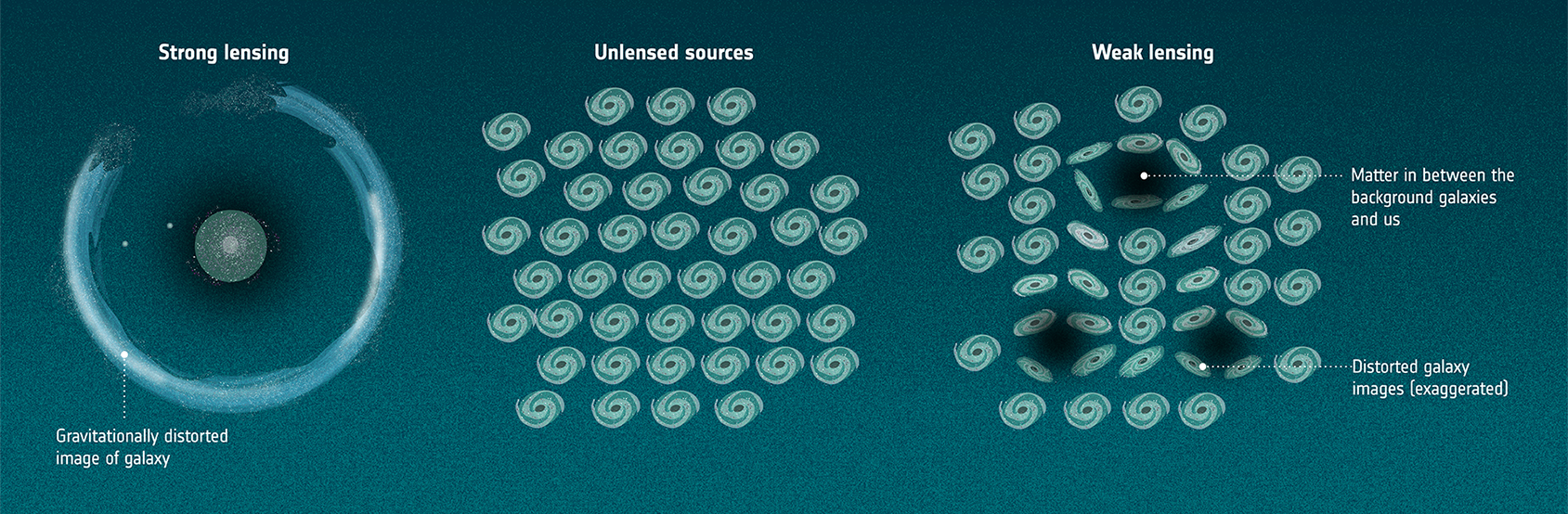
Credit: ESA
- Percent-level effect
- Polluted by shape noise
- Requires a large number of galaxies
The Ultraviolet Near-Infrared Optical Northern Survey (Gwyn et al., 2025)
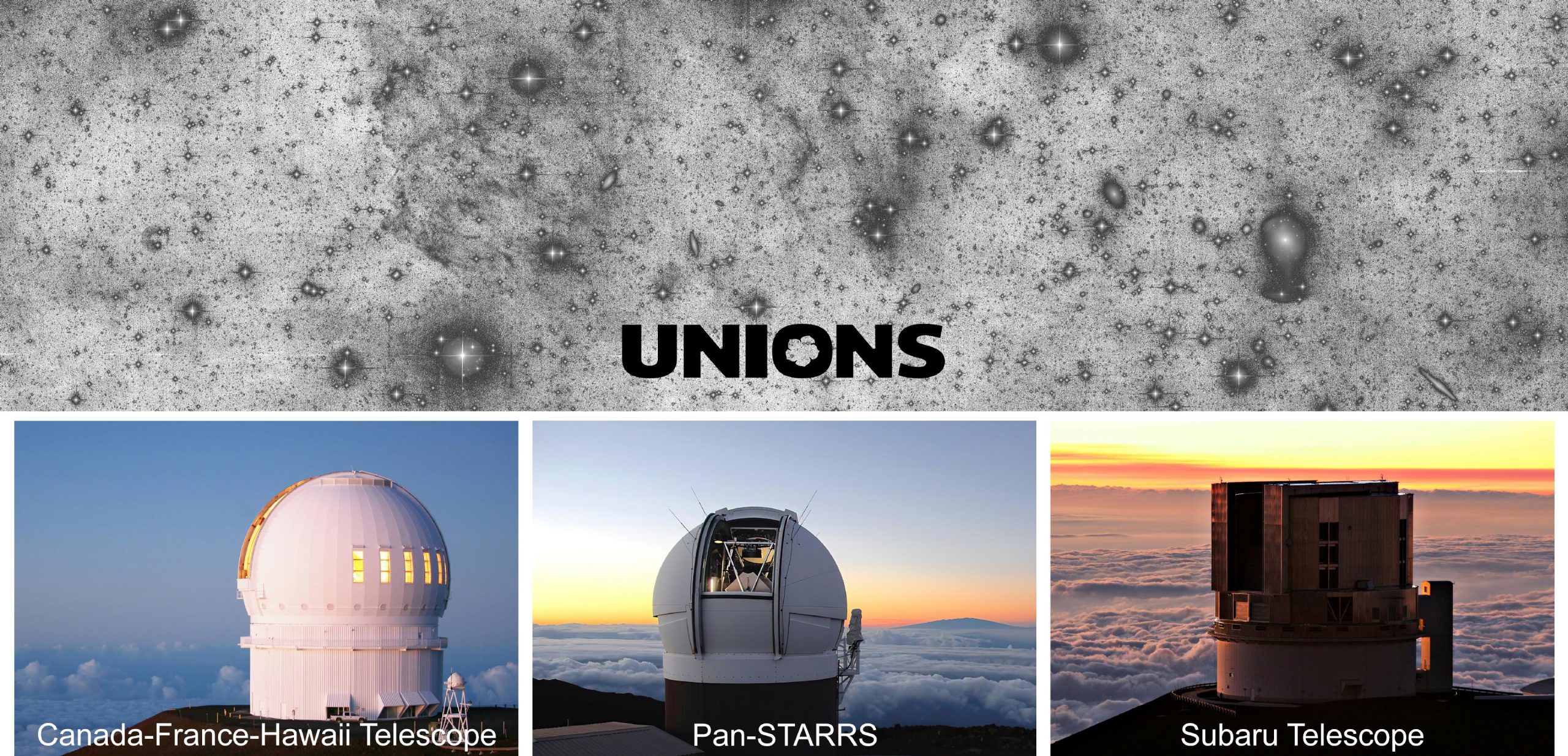
\(r\), \(u\) bands
\(i\) band
\(g\), \(z\) bands
The landscape of lensing surveys
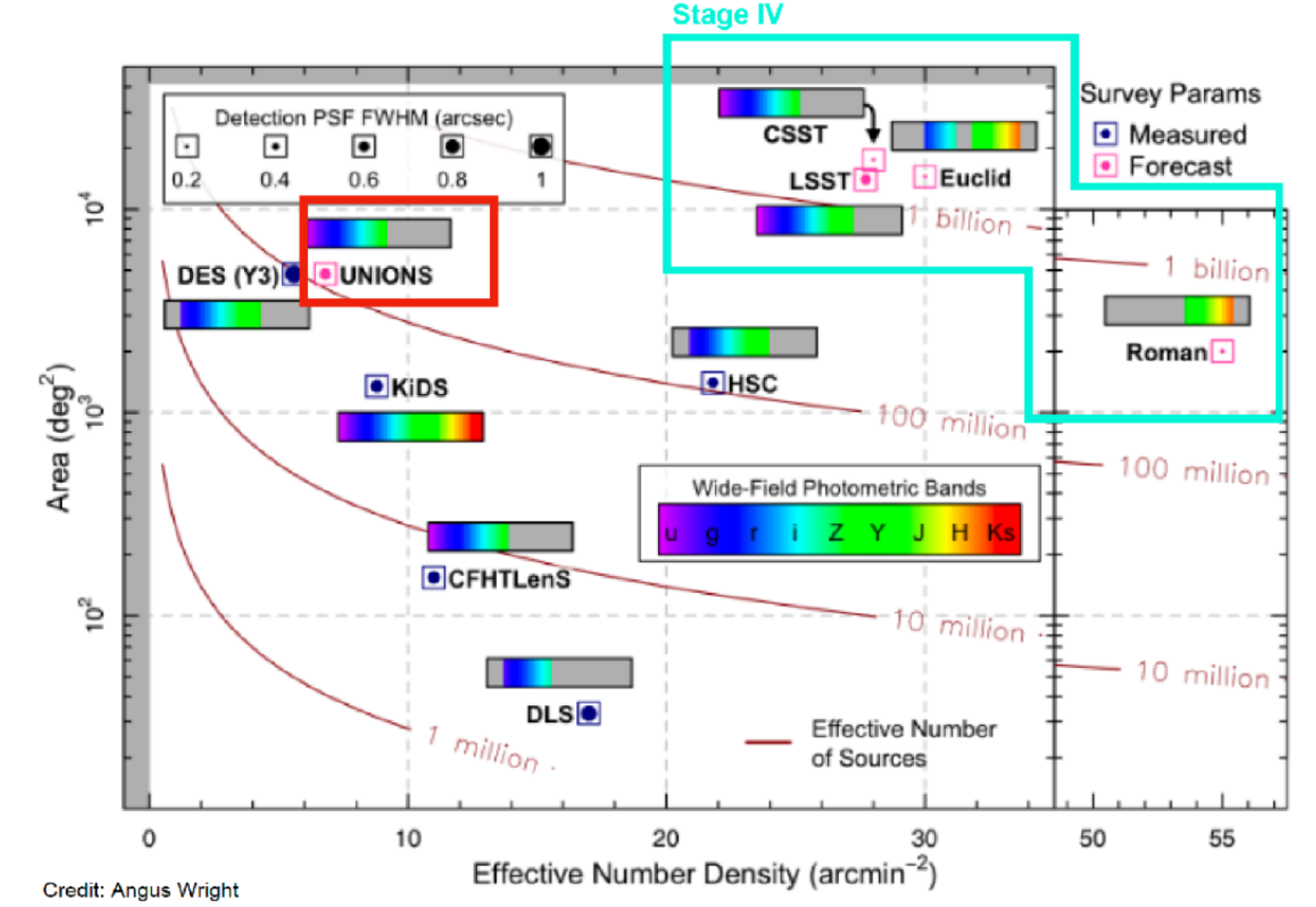
Technical specifications of UNIONS:
- Target area: \(\sim 5,000\) deg\(^2\)
- Depth: 24.5 (\(r\)-band)
- Seeing: \(\sim 0.69"\) (\(r\)-band)
- Processing with ShapePipe (Farrens et al., 2022)
- \(\sim 100\) million galaxies
Cosmology with cosmic shear
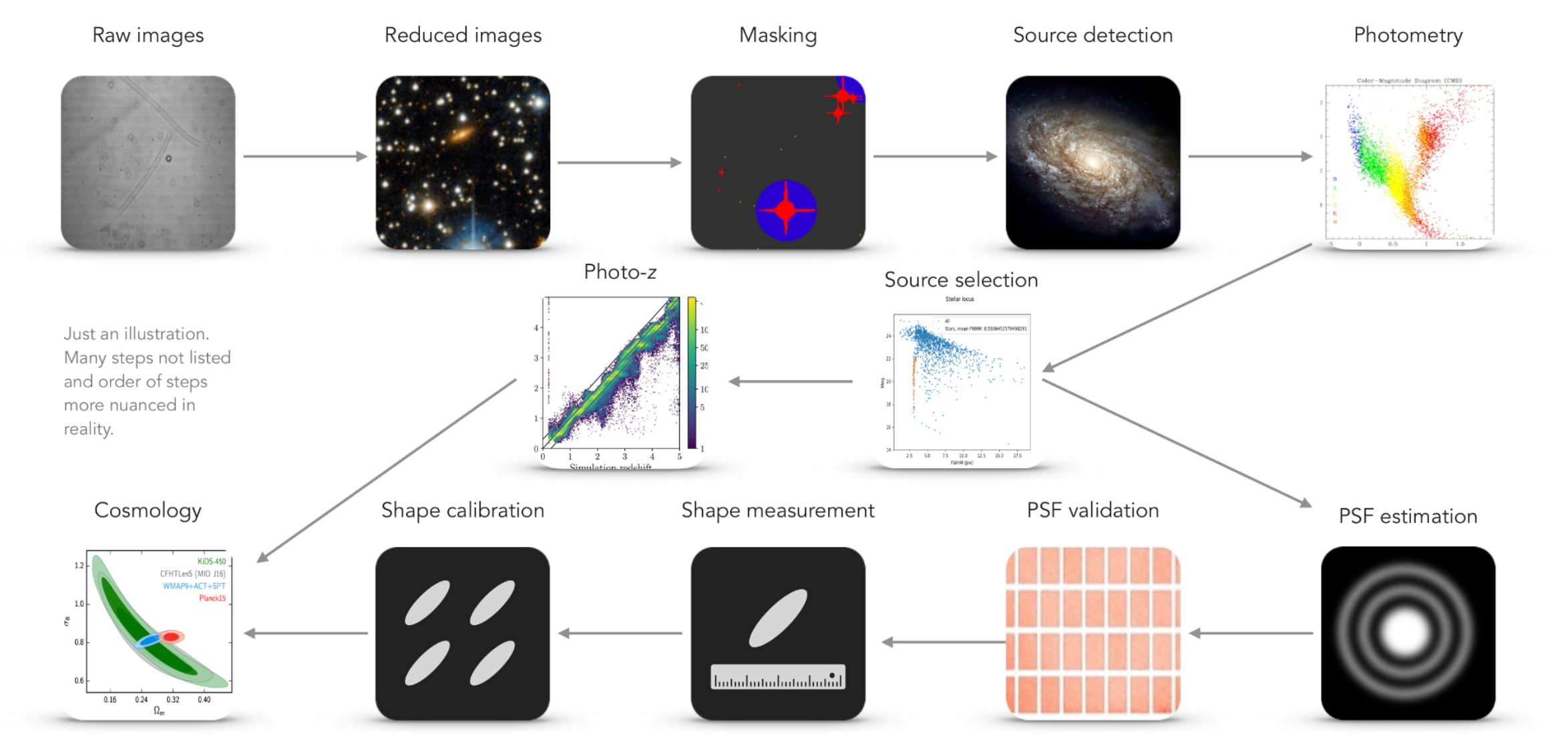
Credit: S. Farrens
I. PSF diagnostics
II. Cosmic shear with 2pt-statistics
III. And beyond
I. PSF diagnostics
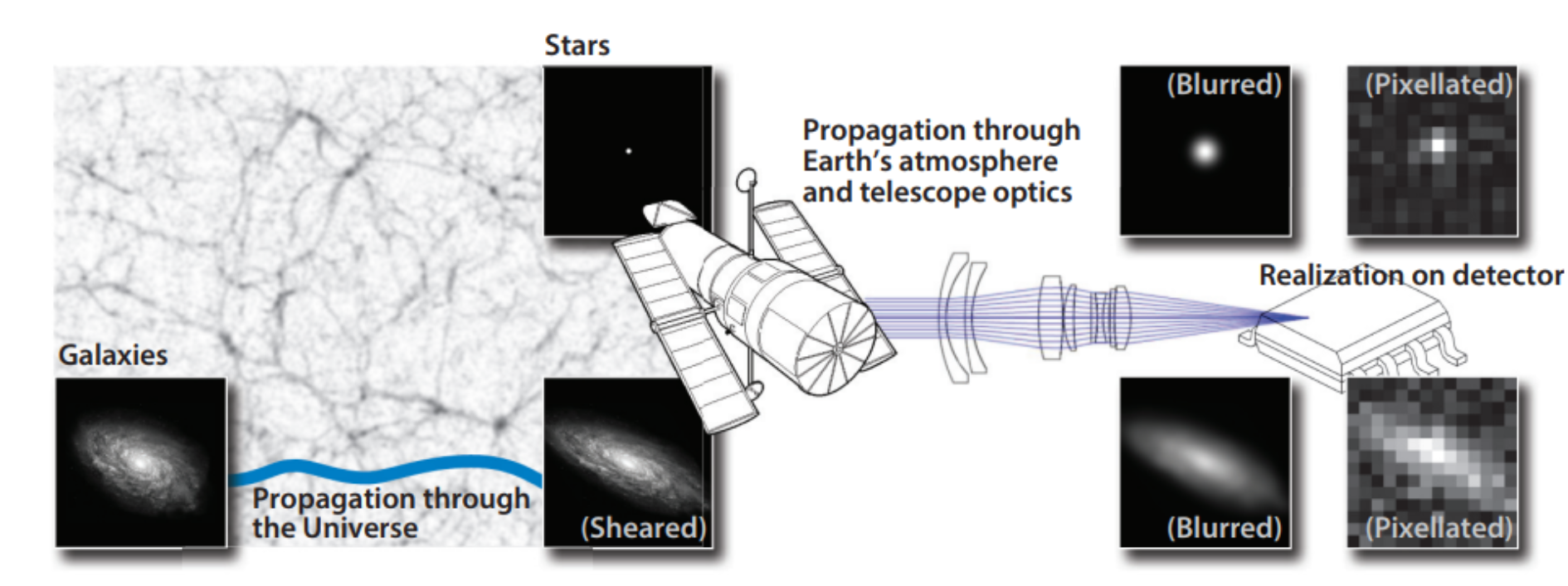
Credit: Mandelbaum (2018)
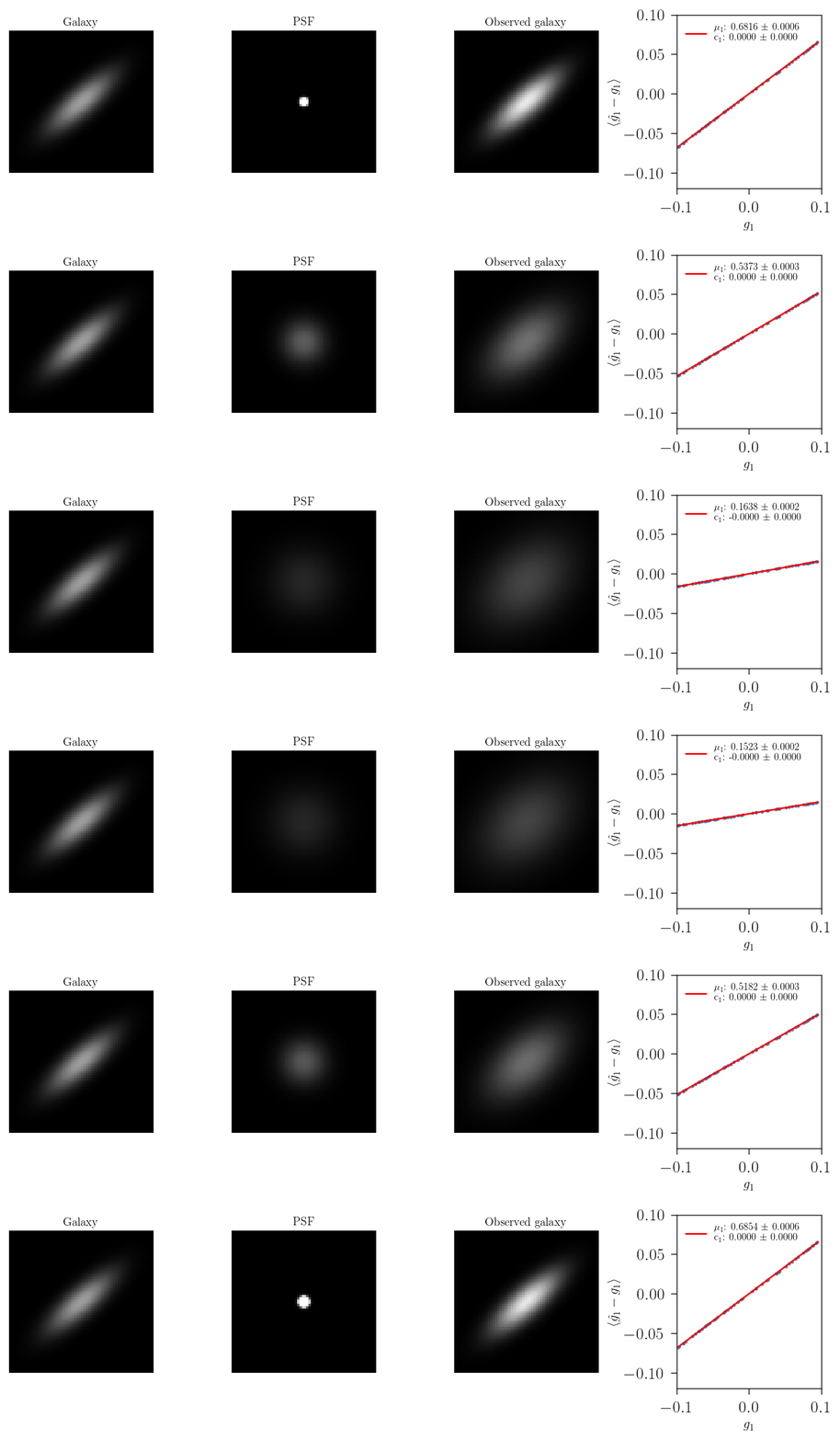
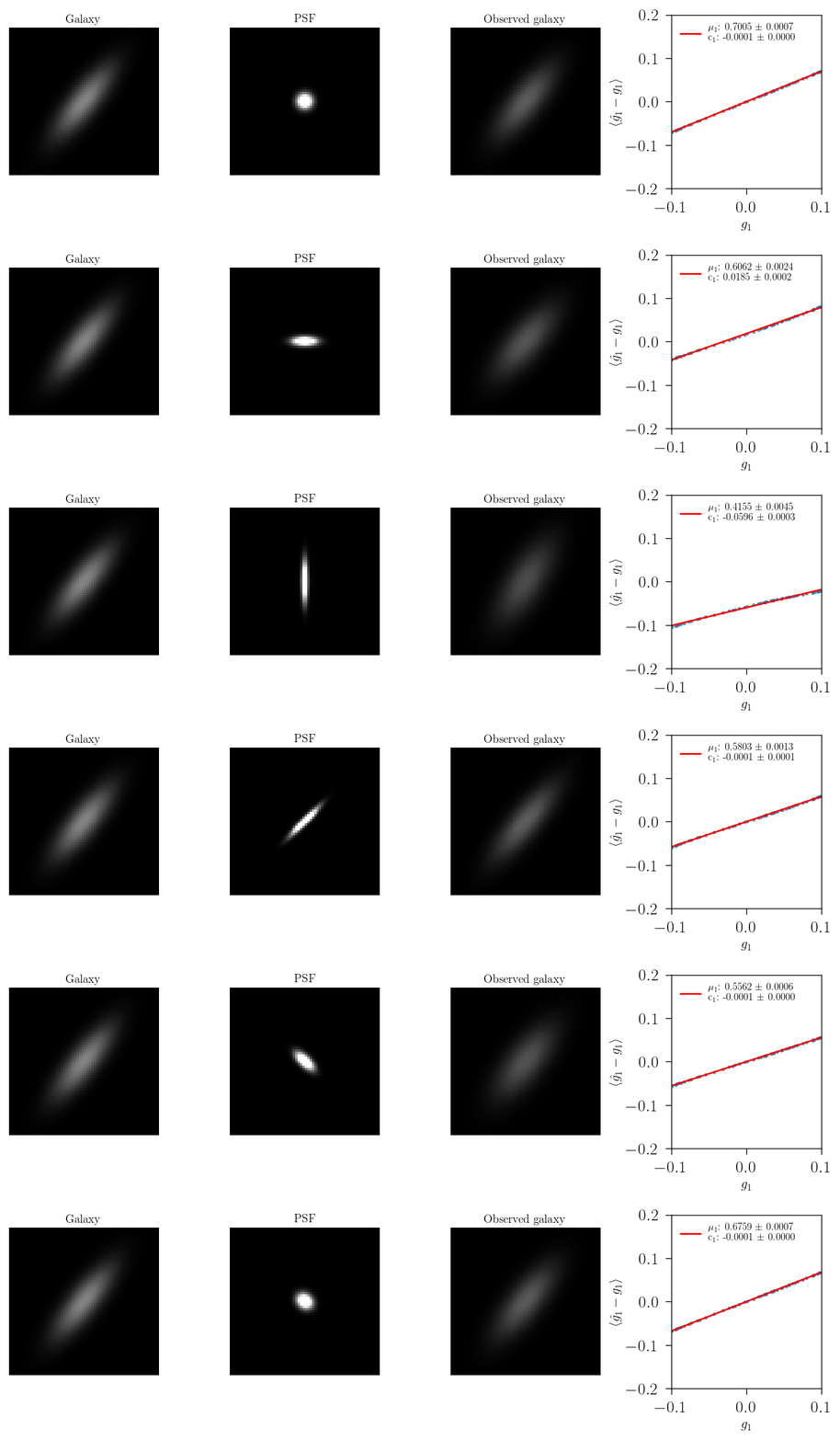
PSF size error
PSF anisotropy
Credit: A. Navarro
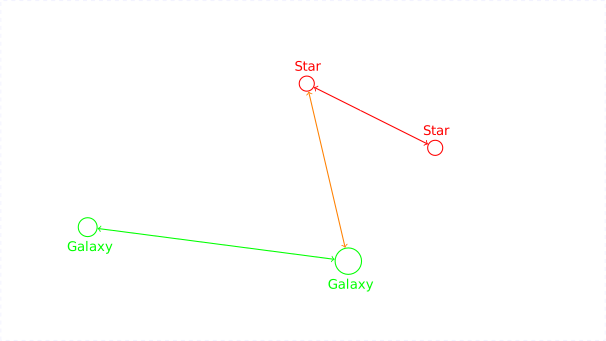
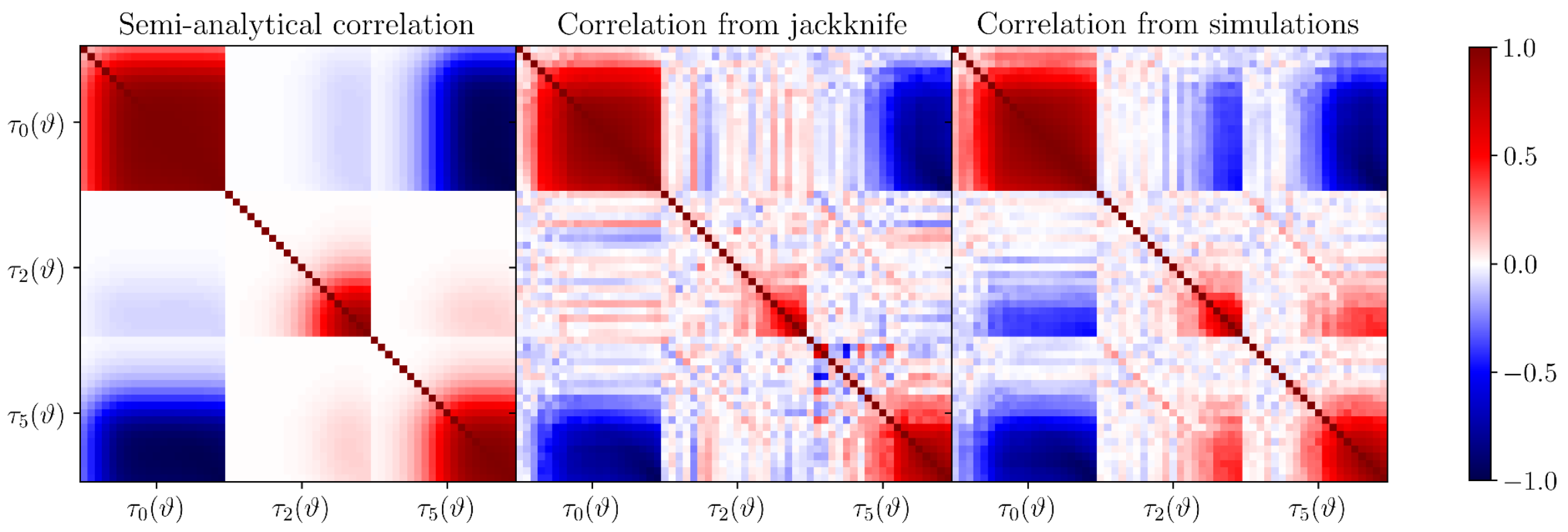
Semi-analytical covariance (Guerrini et al. (2025))
Analytical: based on analytical expressions of the covariance
Semi: No theoretical predictions of the \(\rho\)- and \(\tau\)-statistics. Use measurements on data.
Prediction of the systematic additive bias
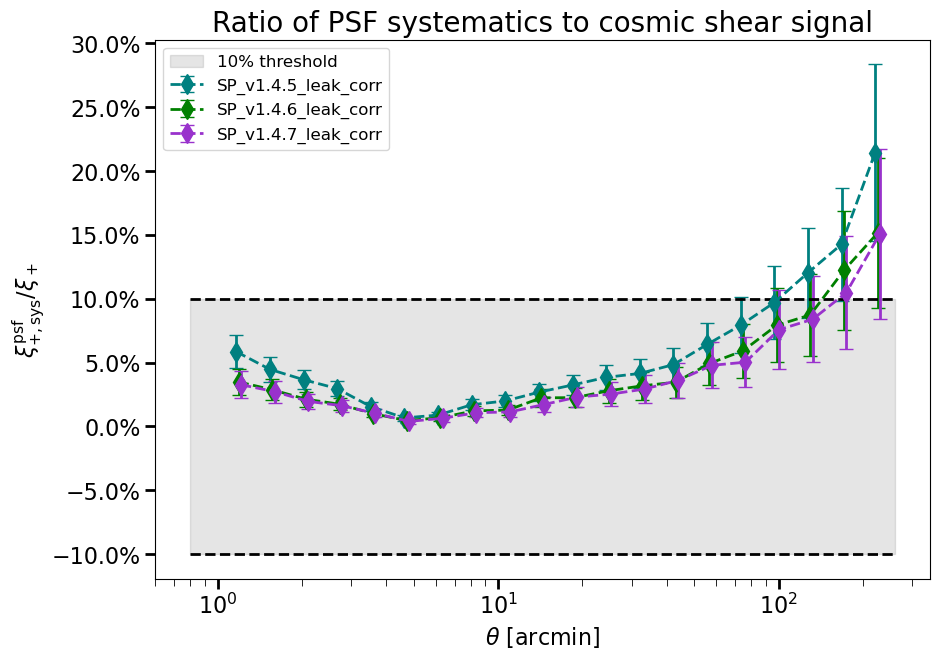
Estimation of PSF parameters
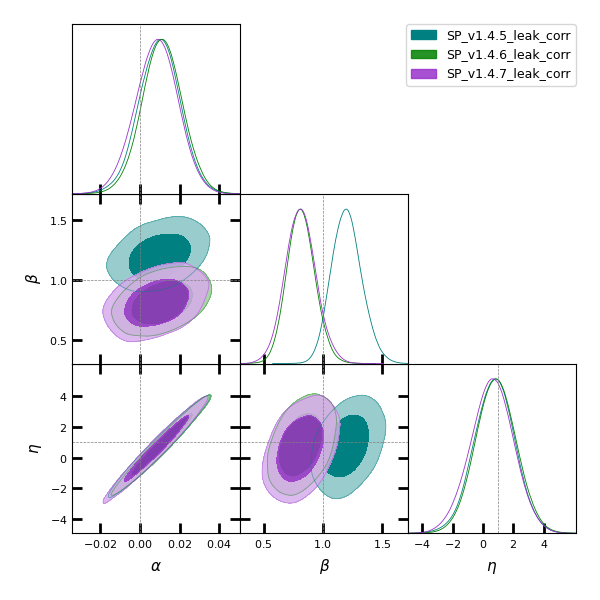
Can provide priors for cosmological analysis!
PSF systematics: Take-home messages
- PSF systematics are essential to understand to perform cosmic shear analysis.
- \(\rho\)- and \(\tau\)-statistics are powerful tools to estimate the bias to the 2PCF.
- Semi-analytical covariance (Guerrini+2025) can speed up comparisons between catalogs.
II. Cosmic shear with 2pt statistics
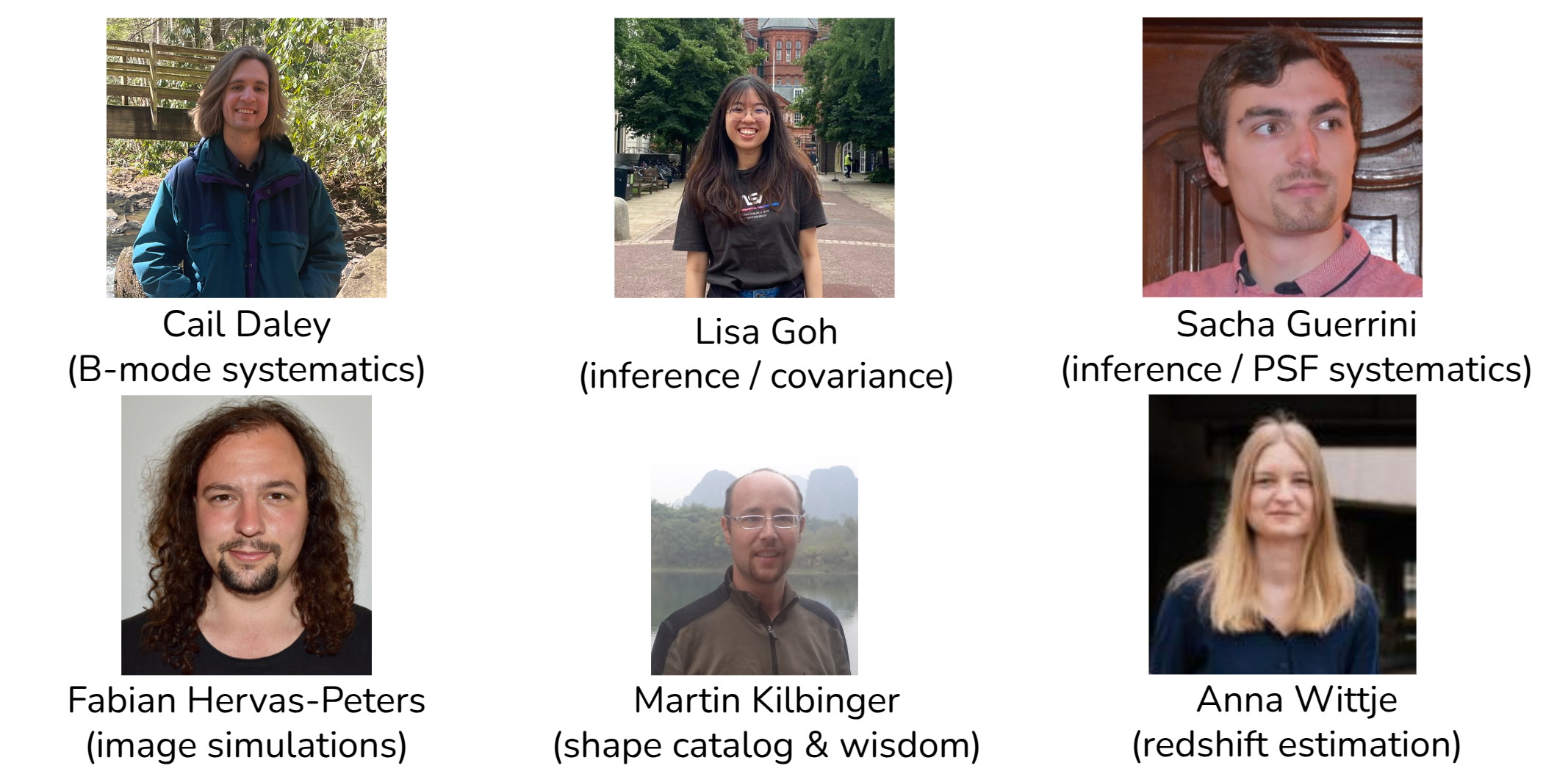
and other contributors…
Analysis details
- Theoretical prediction: CAMB
- Non-linear power spectrum: HMCode2020
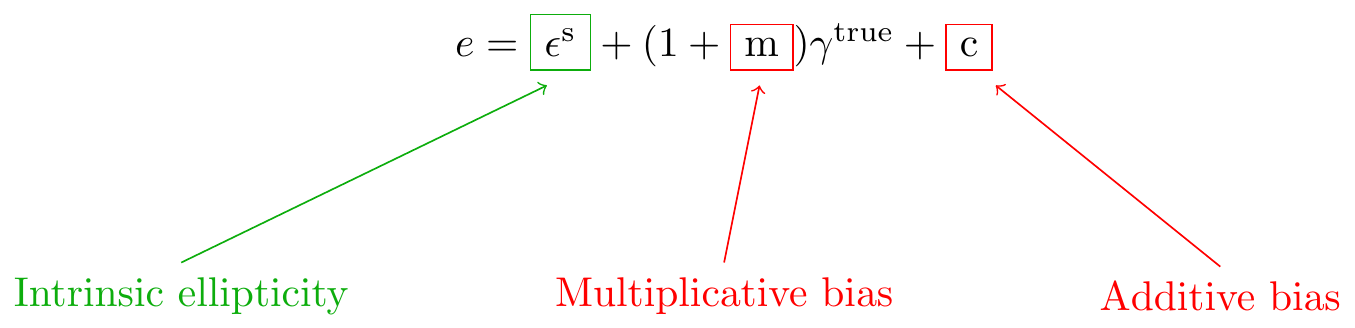
- Shear calibration with MetaCalibration.
- Residual multiplicative bias estimated from image simulations. (Hervas Peters et al., in prep.)
- Cosmology pipeline with CosmoSIS.
- Analysis in real space (Goh et al., in prep.) and harmonic space (Guerrini et al., in prep.).
- PSF systematics accounted for in the inference.
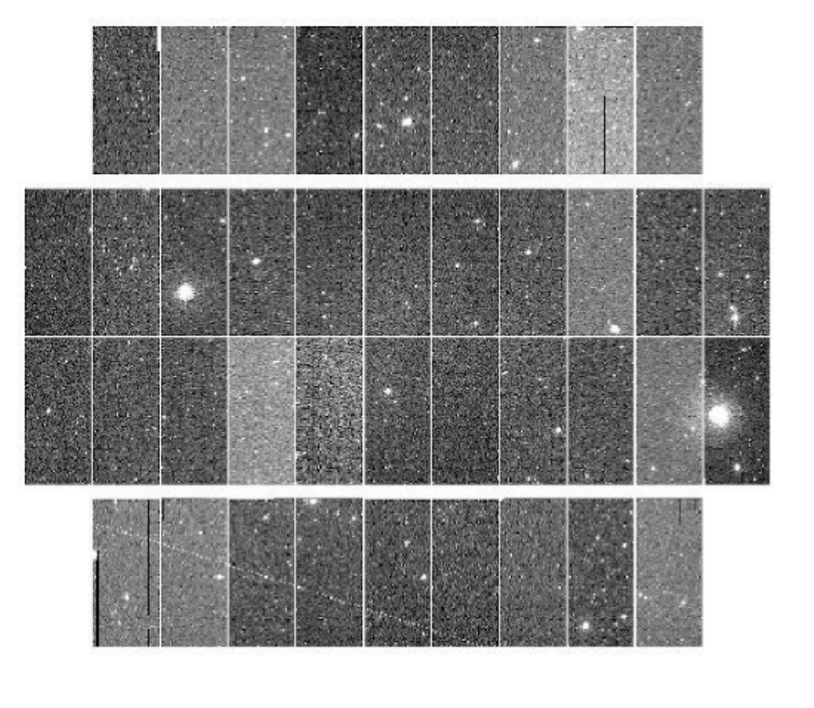
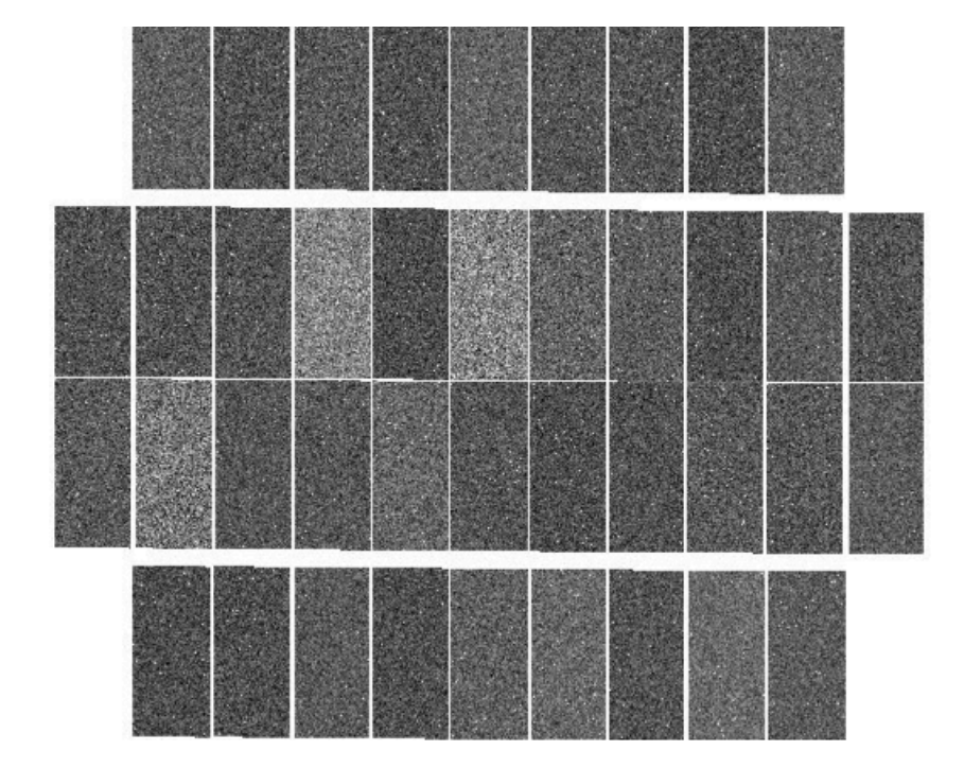
B-modes systematics
Spin-2 shear fields can be decomposed into E-modes, containing the vast majority of lensing information, and B-modes, which are a probe of systematics at UNIONS noise levels.
In the presence of masking, some ambiguous modes usually cannot be cleanly attributed to E or B.
We use three B-mode approaches: pure correlation functions, COSEBIS, and pseudo-\(C_\ell\).
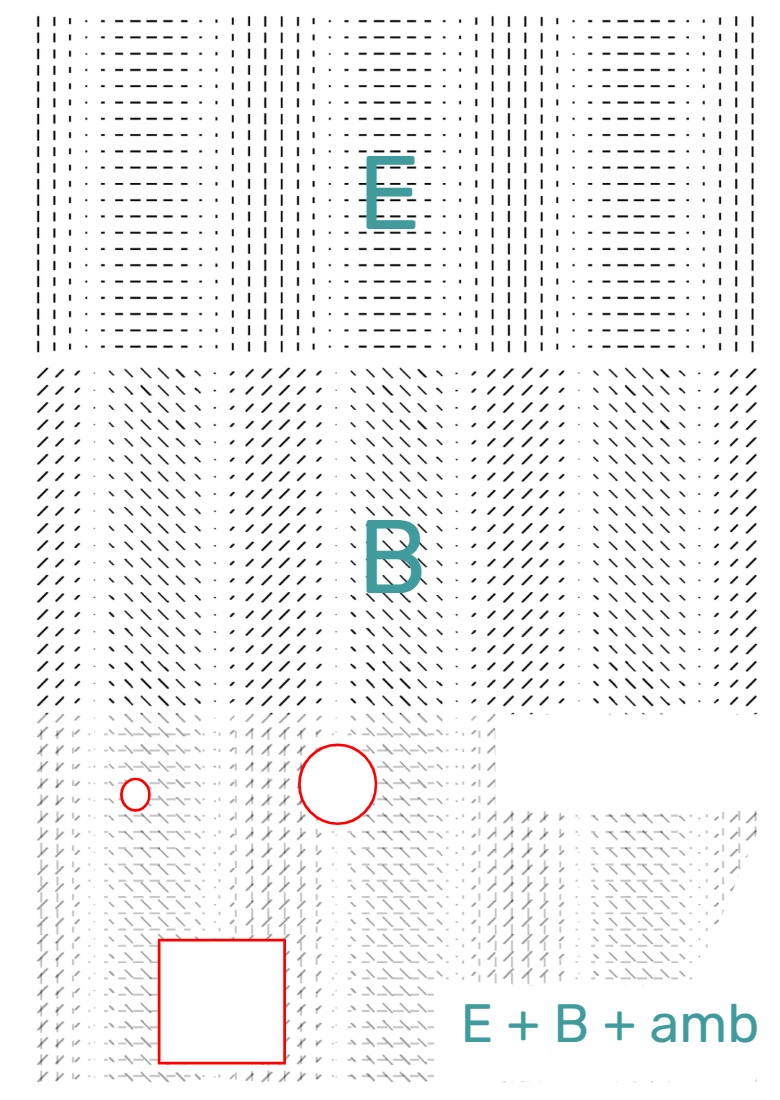
Pure B-mode correlation functions
\[ \xi_+^{E/B}(\vartheta) = \frac 1 2 \left[\xi_+(\vartheta) \pm \xi_-(\vartheta) + \int_\vartheta^{\vartheta_\mathrm{max}}\frac{\mathrm{d}\theta}{\theta} \xi_-(\theta) \left(4 - \frac{12\vartheta^2}{\theta^2} \right) \right] - \frac 1 2 \underbrace{[S_+(\vartheta) \pm S_-(\vartheta)]}_{\text{Integrals of $\xi_\pm$ with filter functions}} \]
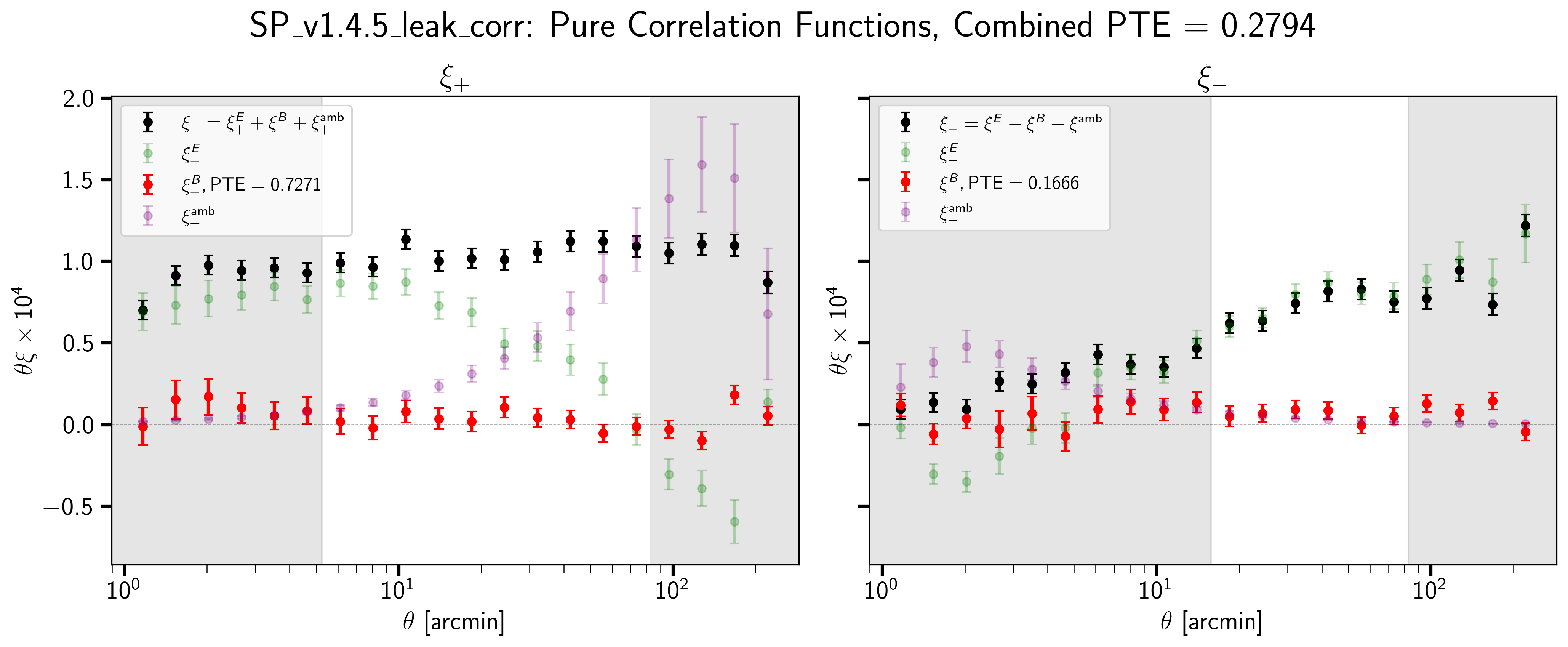
B-modes on small scale (\(\sim 3'\) in \(\xi_+\) and \(\sim 30'\) in \(\xi_-\)); large scales are ok.
B-modes with COSEBIS
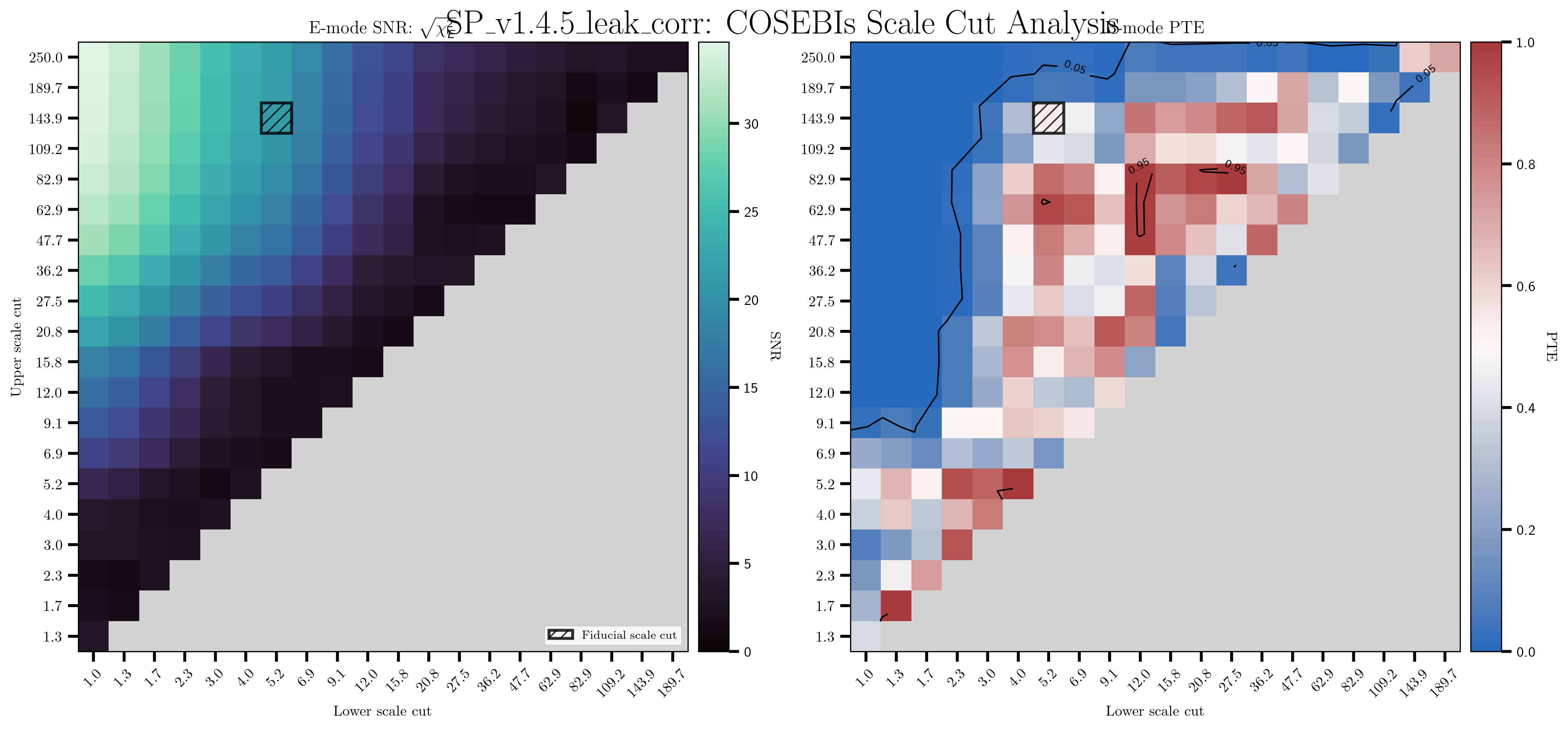
Pure functions and COSEBIS tell the same story.
B-modes in harmonic space
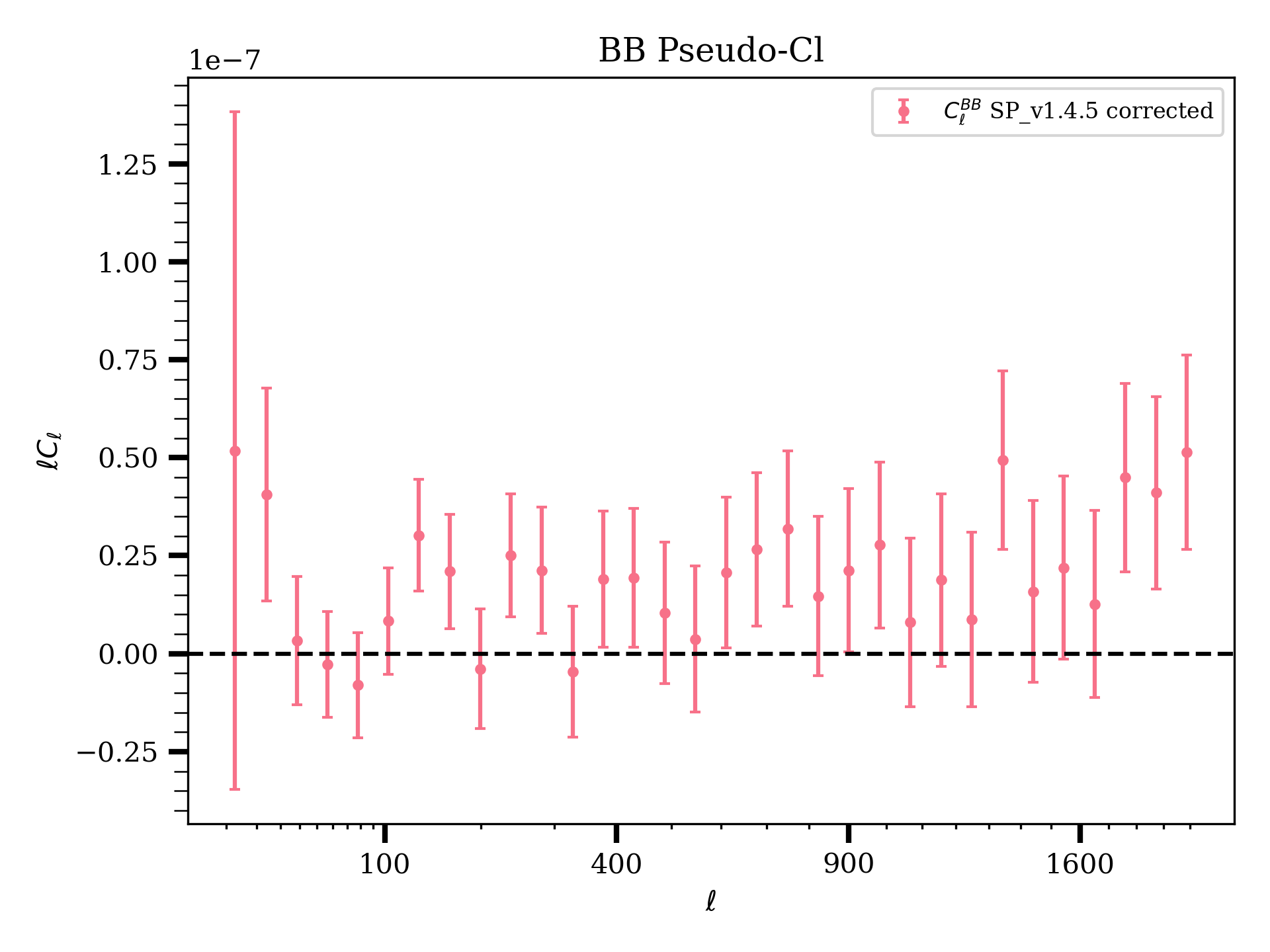
B-modes on the smallest scales. Lower significance after removing the smallest objects from the catalogue. Data points and errorbars obtained with NaMaster.
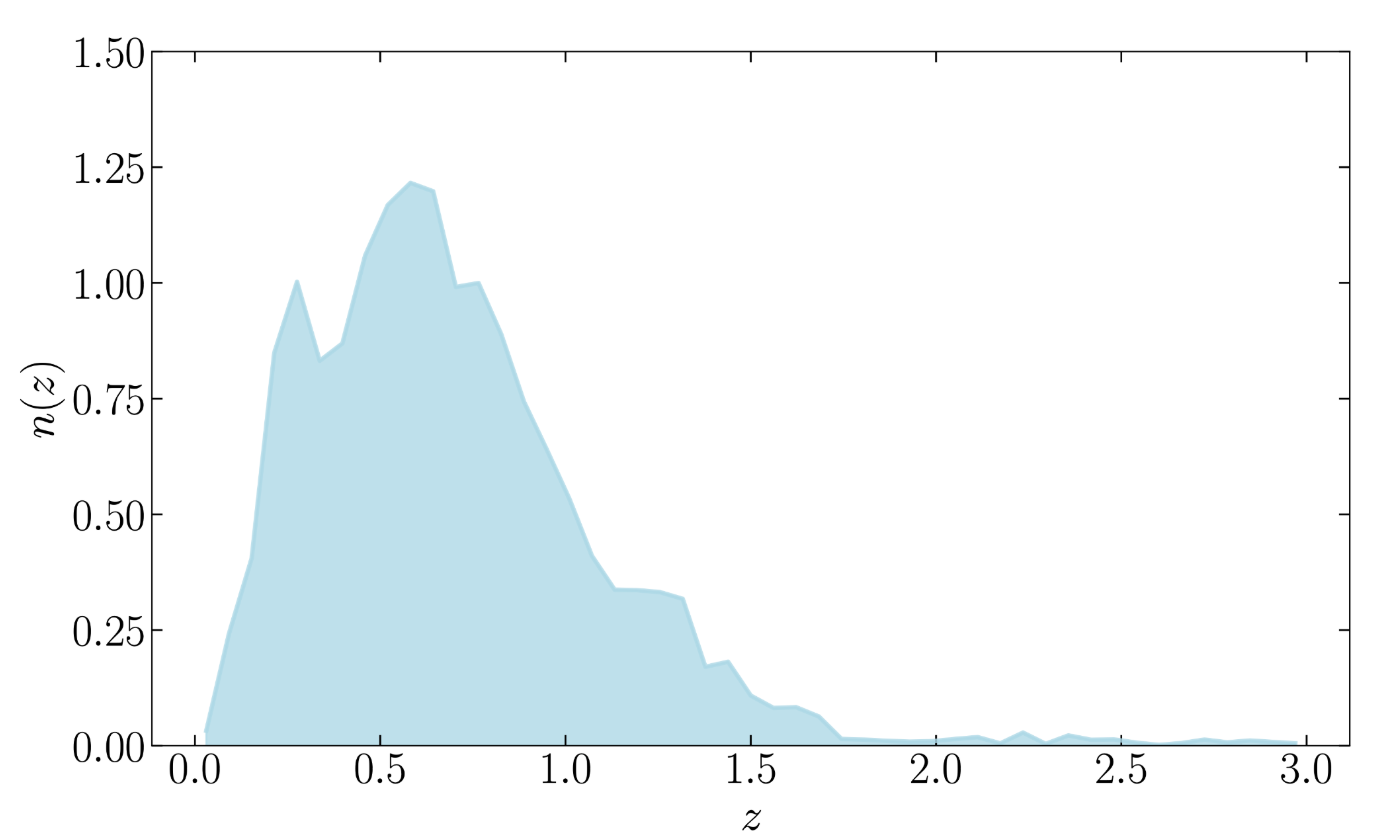
Redshift distributions
Redshift distribution estimated using self-organizing map (SOMs).
Three blinded reshift distribution produced to avoid confirmation bias. We make analysis choices given the output on the three blinds.
Covariance (real space)
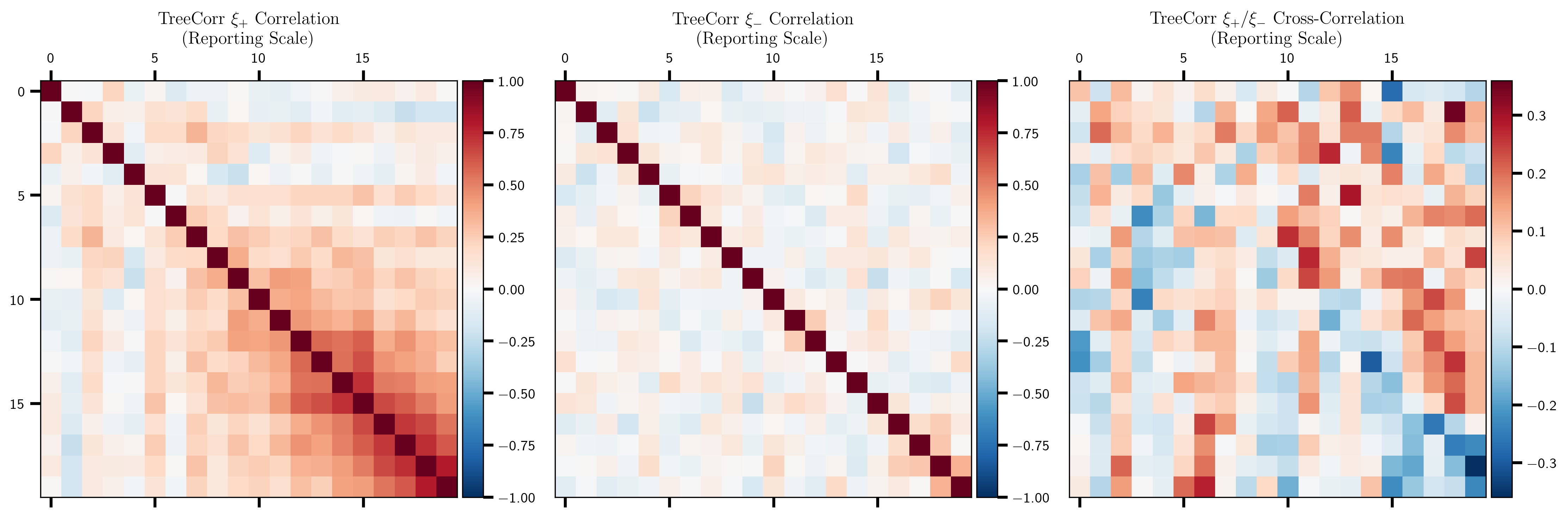
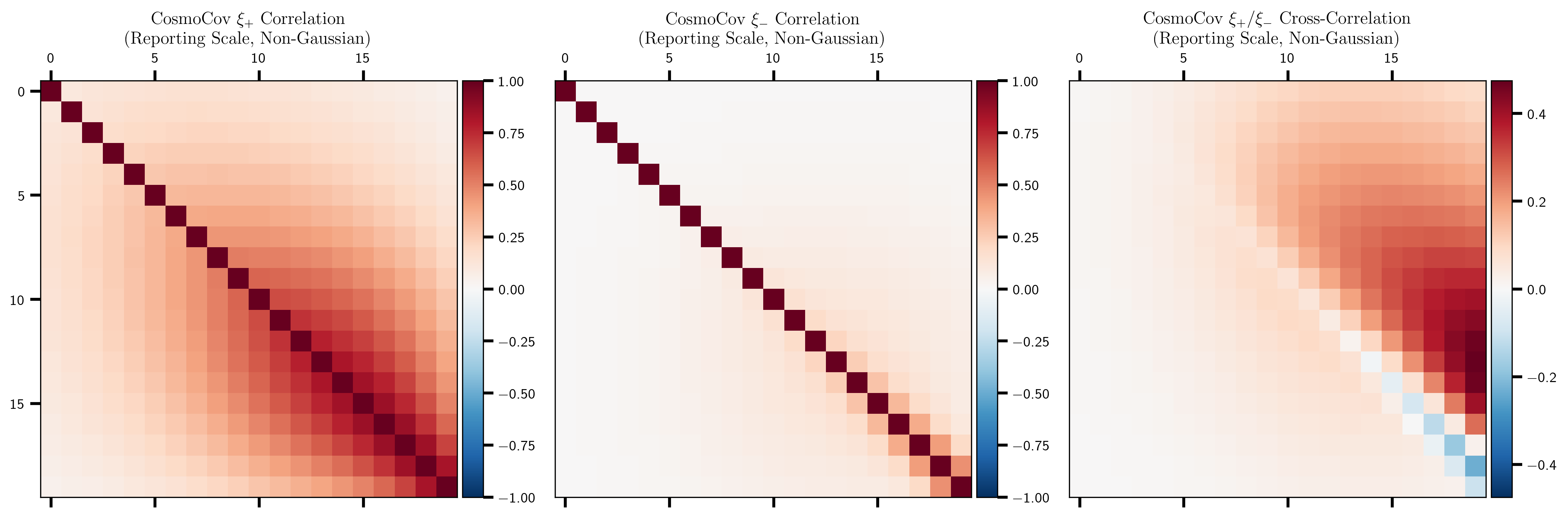
Covariance estimated with CosmoCov and validated against data-drive jackknife and GLASS simulations (not shown here).
Parameters marginalized over in inference:
- PSF systematics
- Intrinsic alignment
- multiplicative bias
- \(n(z)\) bias
Covariance (harmonic space)
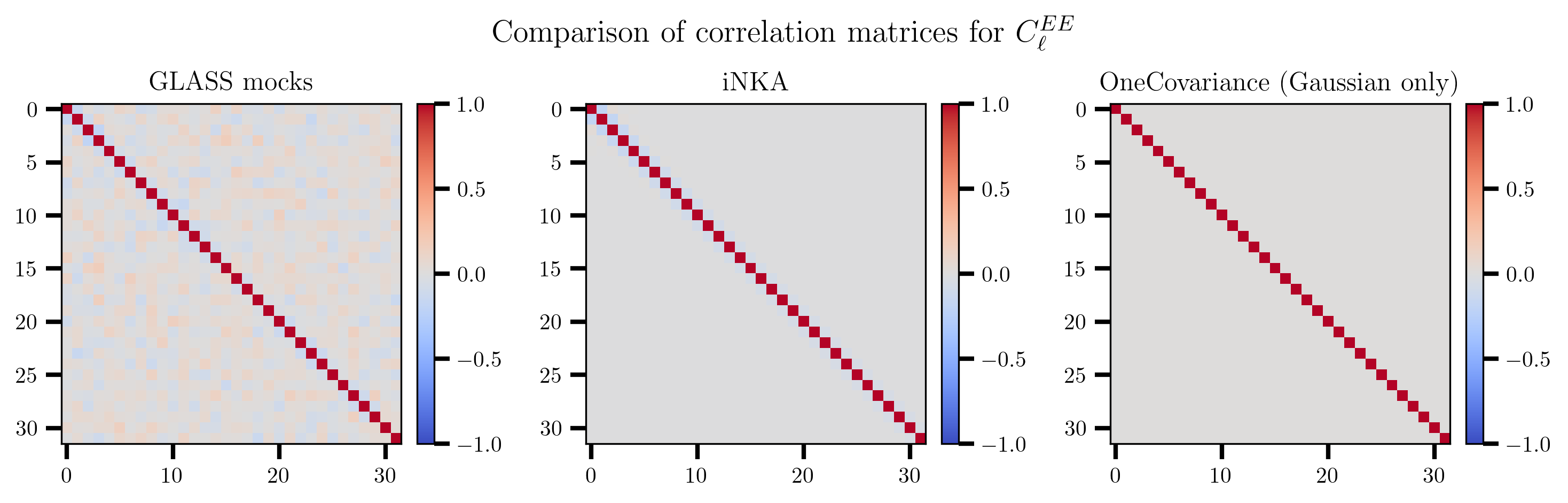
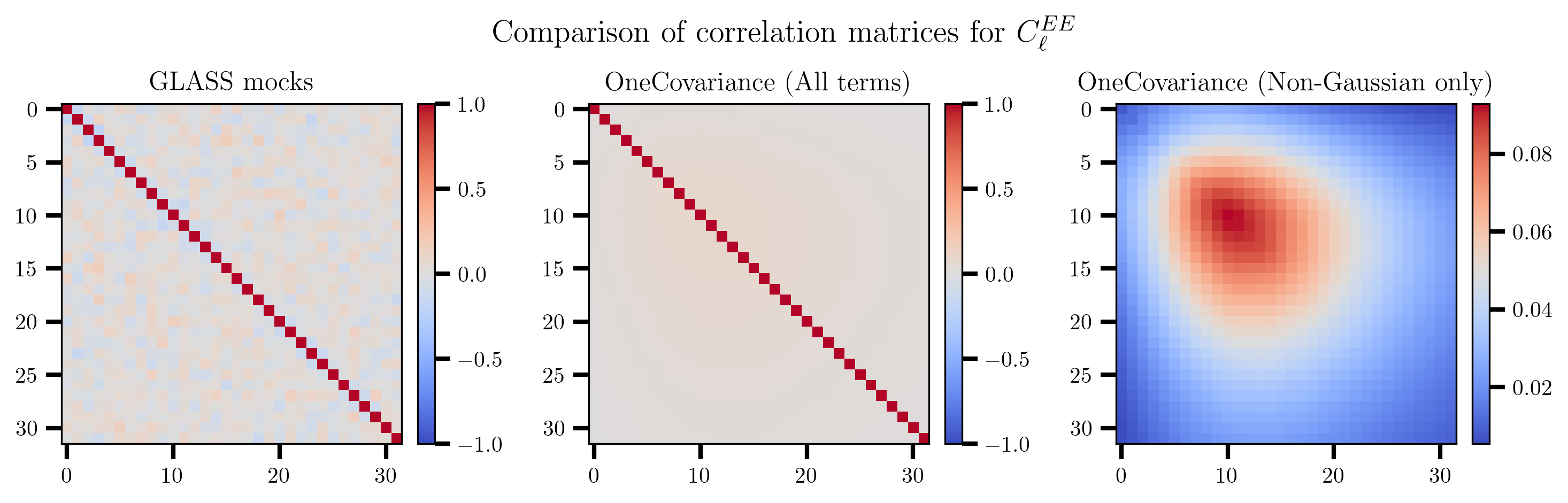
Gaussian covariance accounting for mask mode-coupling with iNKA (Namaster). Validation against OneCovariance (theory code) and GLASS mocks.
Agreement between the error bars at the \(10\%\) level
Inference
Real space \(\xi_\pm(\vartheta)\)
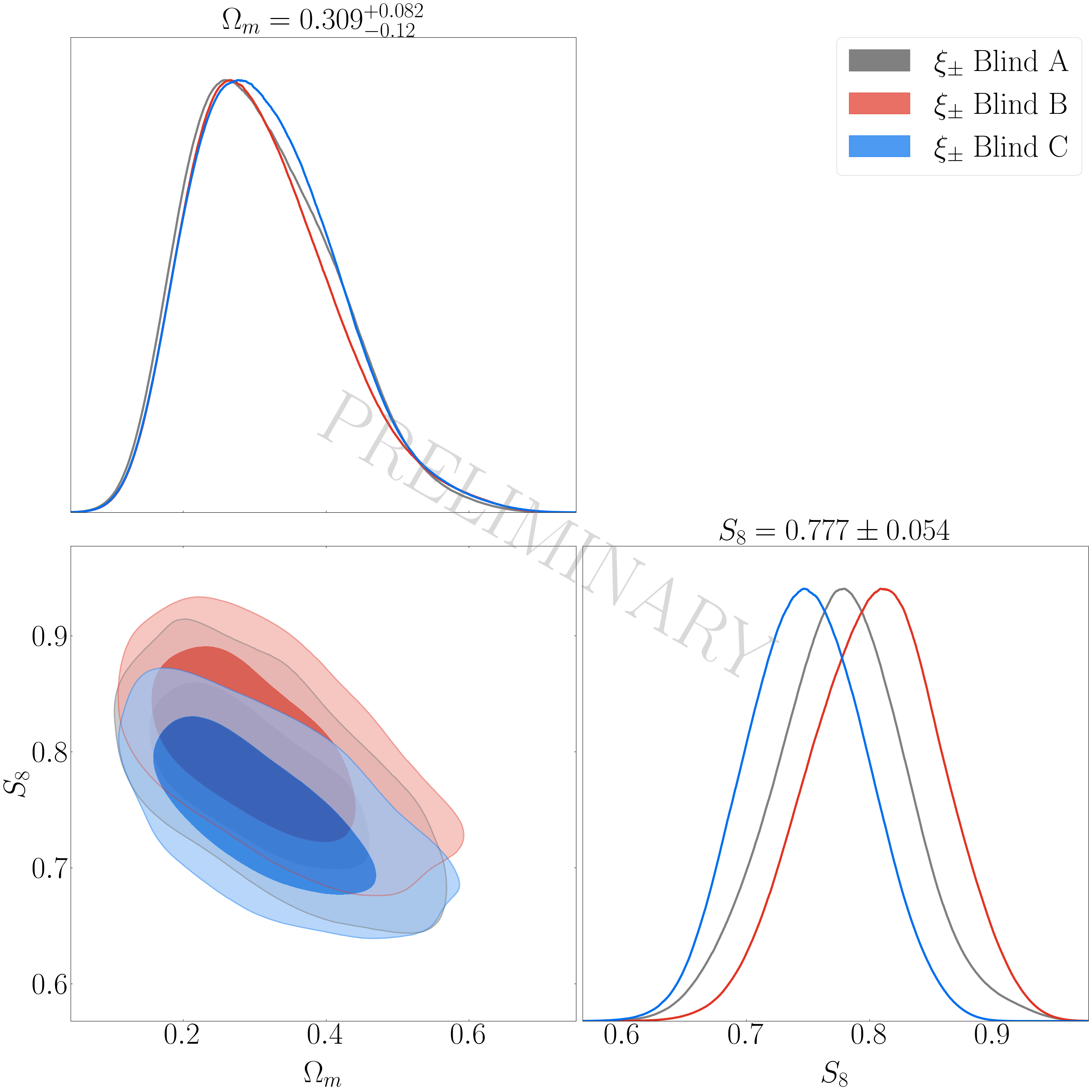
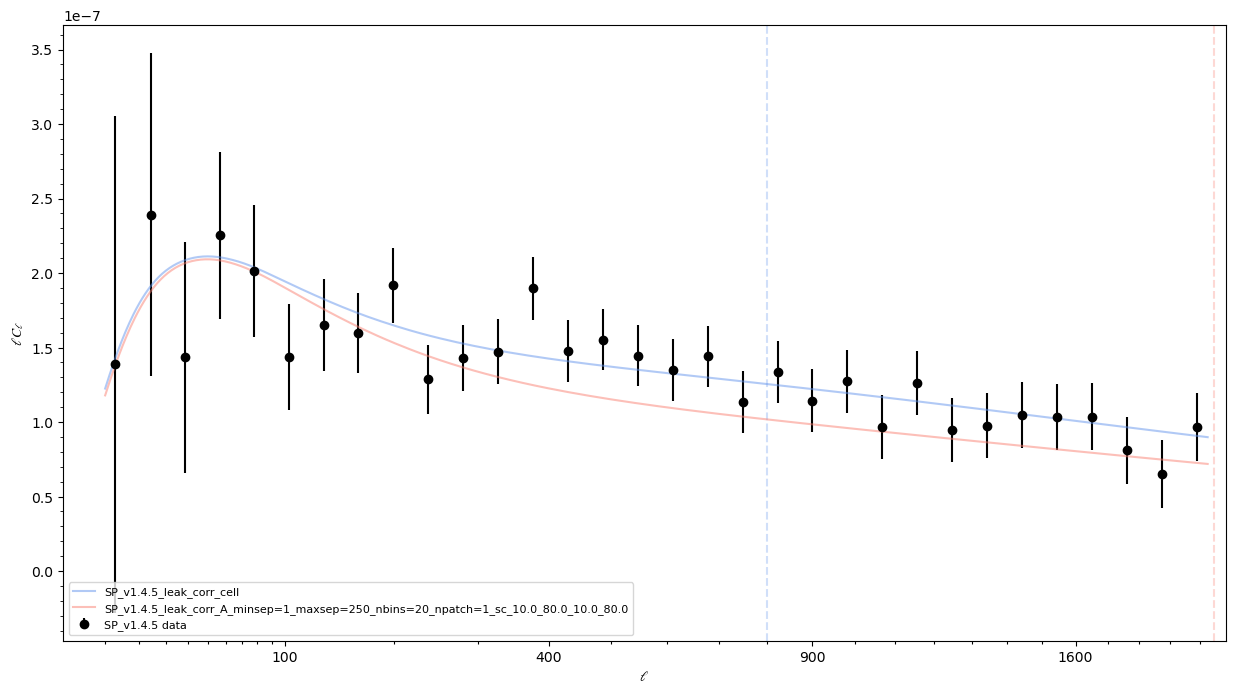
Harmonic space \(C_\ell\)
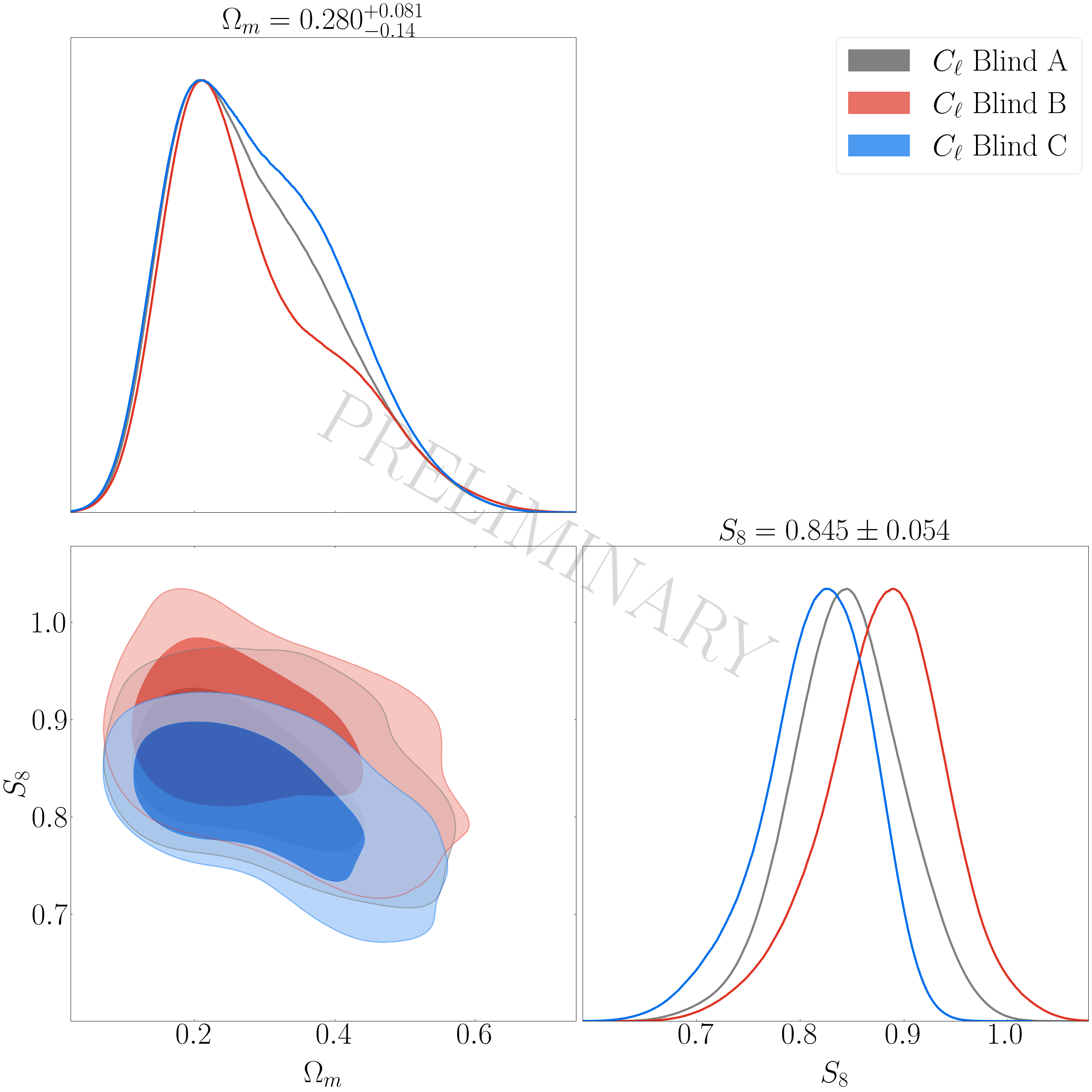
\(\sim 2\times\) larger than DES, KiDS or HSC.
Non-tomographic analysis significantly reduces constraining power.
III. Beyond 2pt statistics
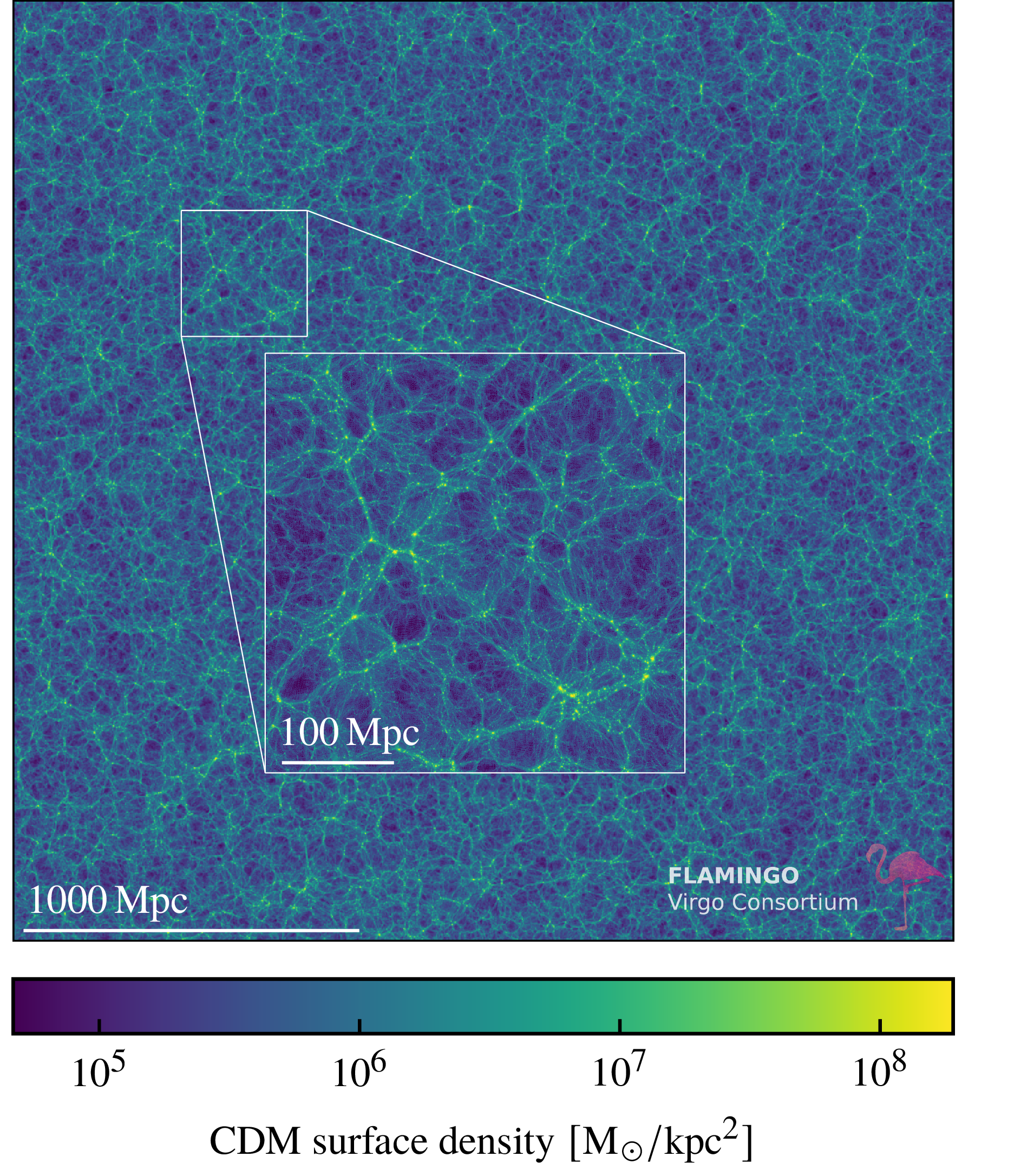
Higher-order statistics
The overdensity field is not a Gaussian field at late times.
How can we capture the more information from the shear field?
Craft summary statistics that capture non-Gaussian information from the field.
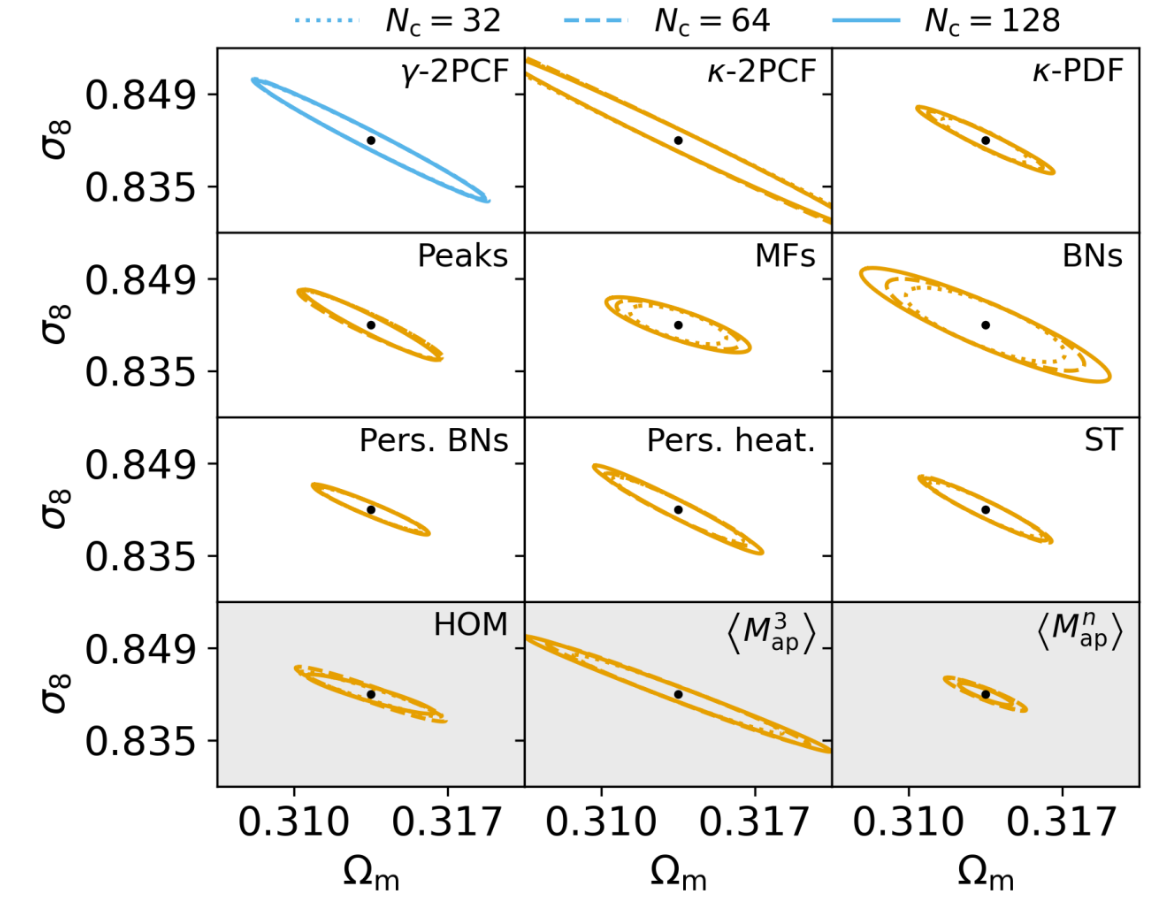
Implicit Likelihood Inference (also known as SBI)
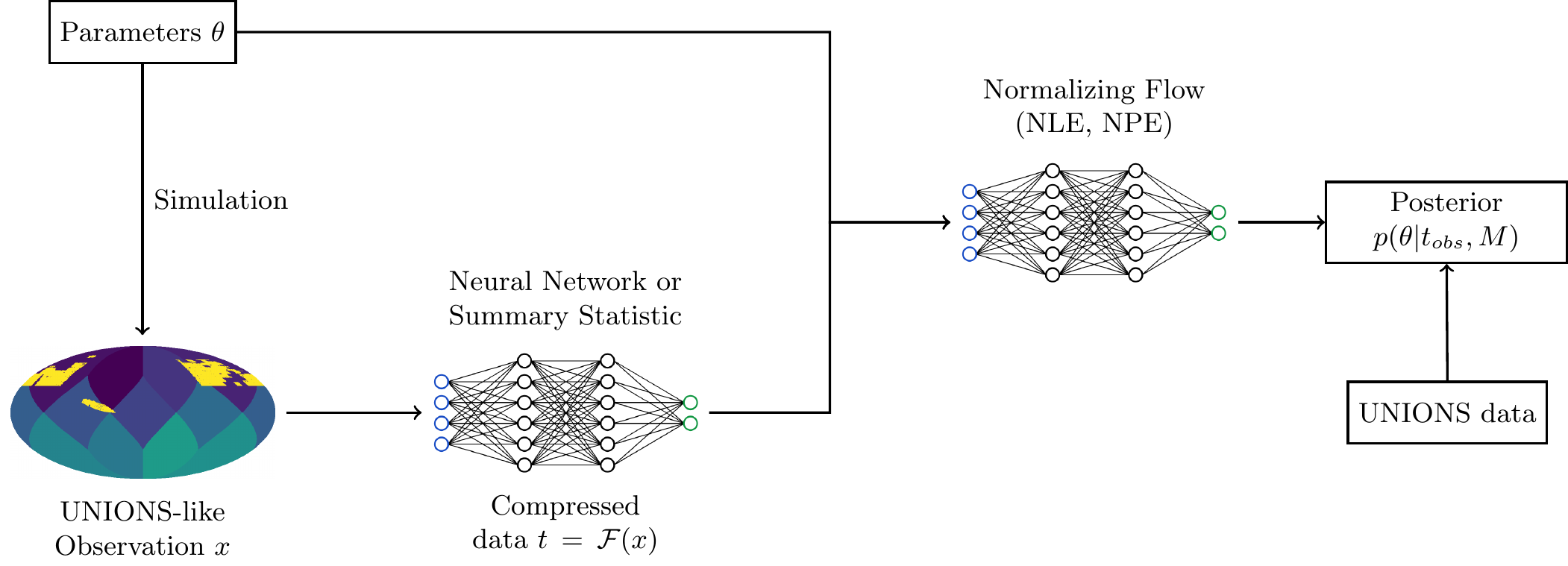
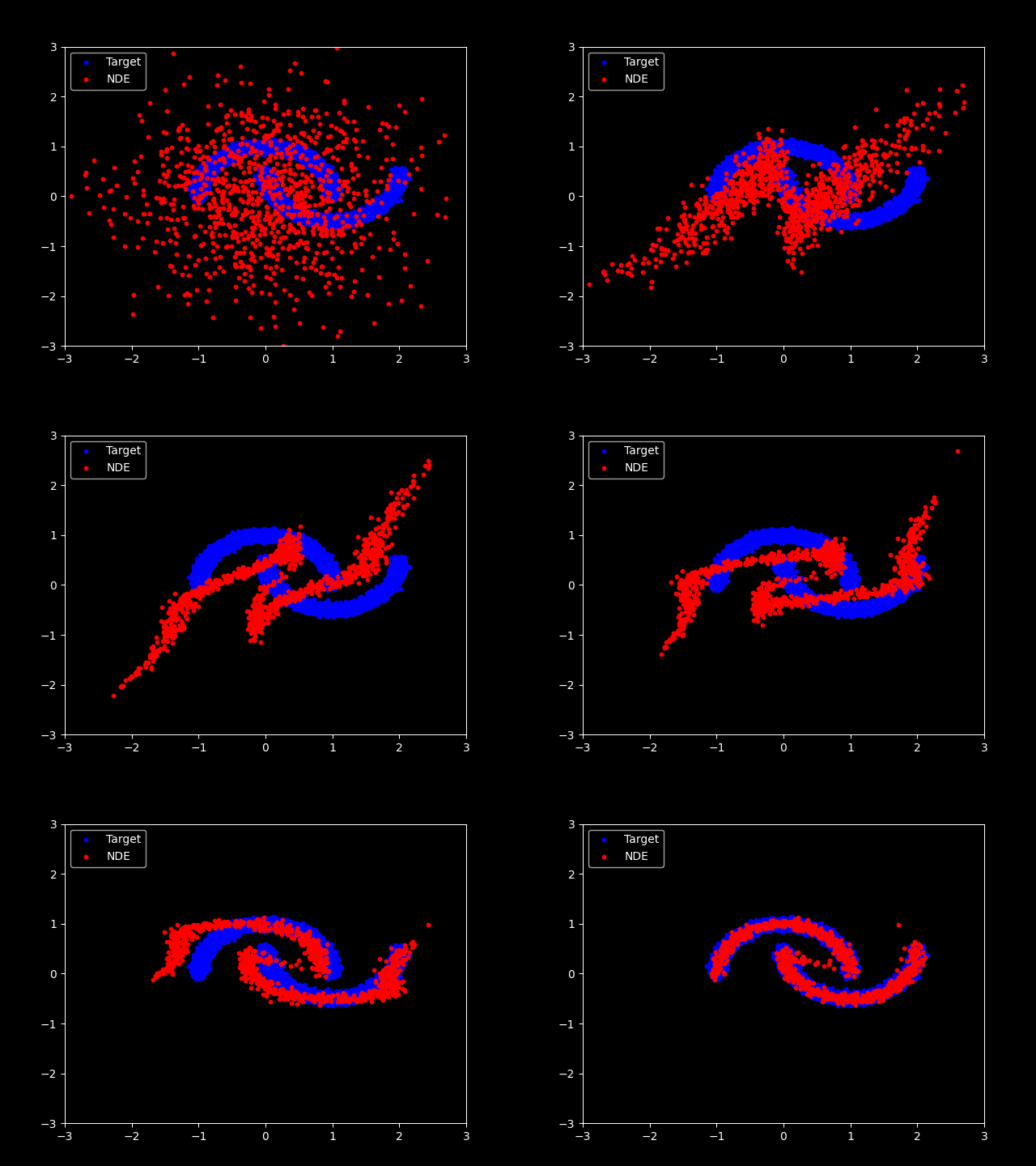
Normalizing Flows
Apply several layers of a one-to-one map to simple distribution to match a more complex one.
Alleviates the problem of the unknown likelihood.
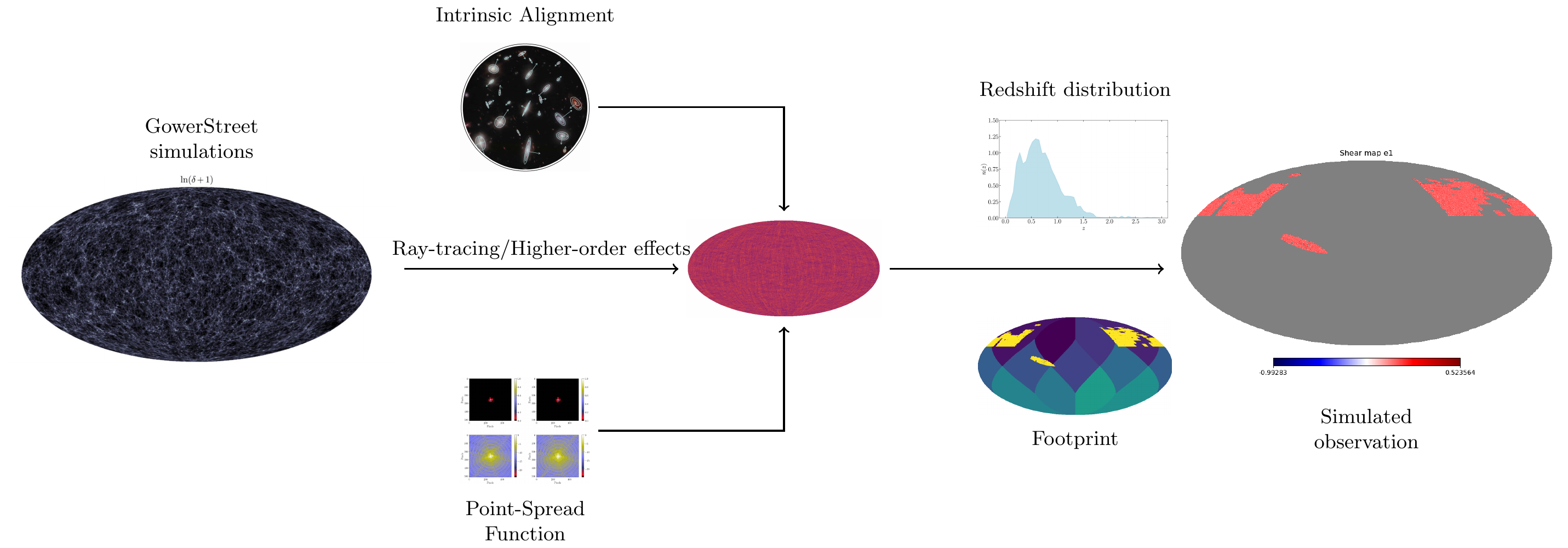
UNIONS forward model
Available on GitHub
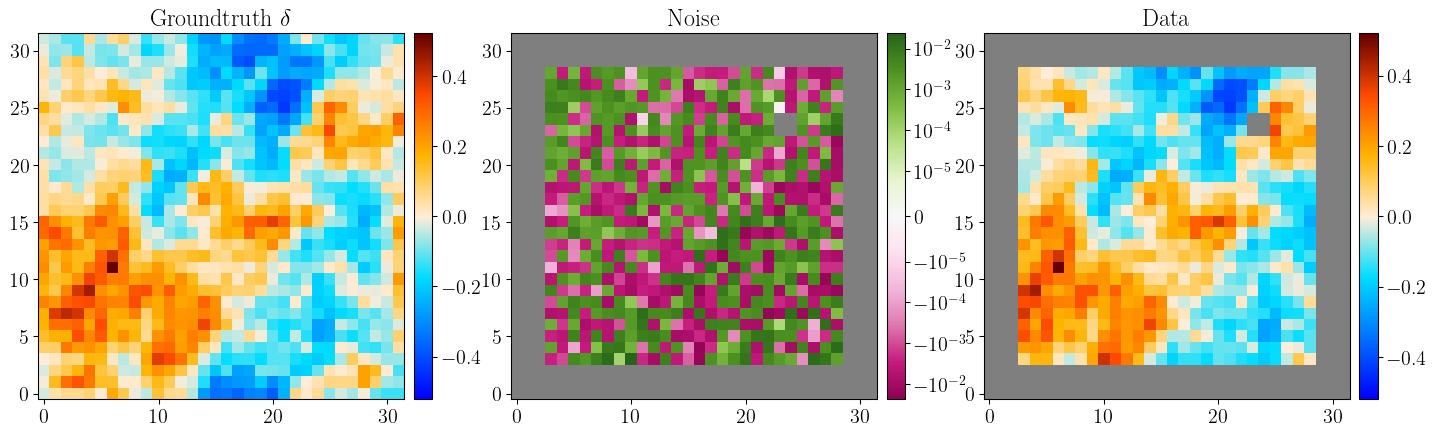
JaxILI on a cosmological toy model
Cosmological parameters: \(A_\mathrm{s}\), \(n_\mathrm{s}\), \(f_\mathrm{NL}\)
Go here for more
Goal: Obtain constraints on the cosmological parameters using pixel level information.
JaxILI on a cosmological toy model
Cosmological parameters: \(A_\mathrm{s}\), \(n_\mathrm{s}\), \(f_\mathrm{NL}\)
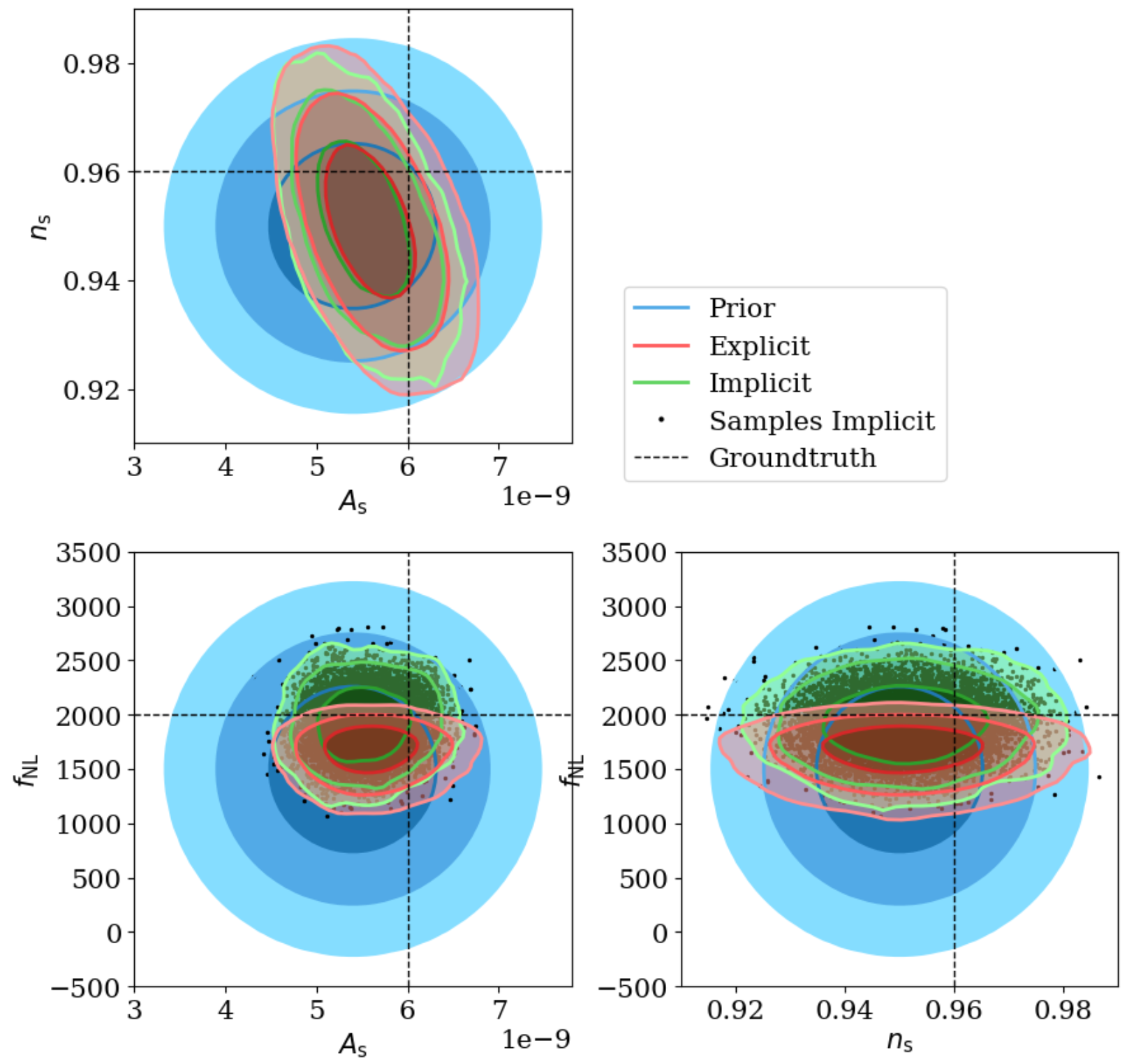
- Implicit contours obtained with MSE compression.
- Loss of information compared to Explicit inference.
- Unbiased constraints obtained.
An application of JaxILI in Euclid
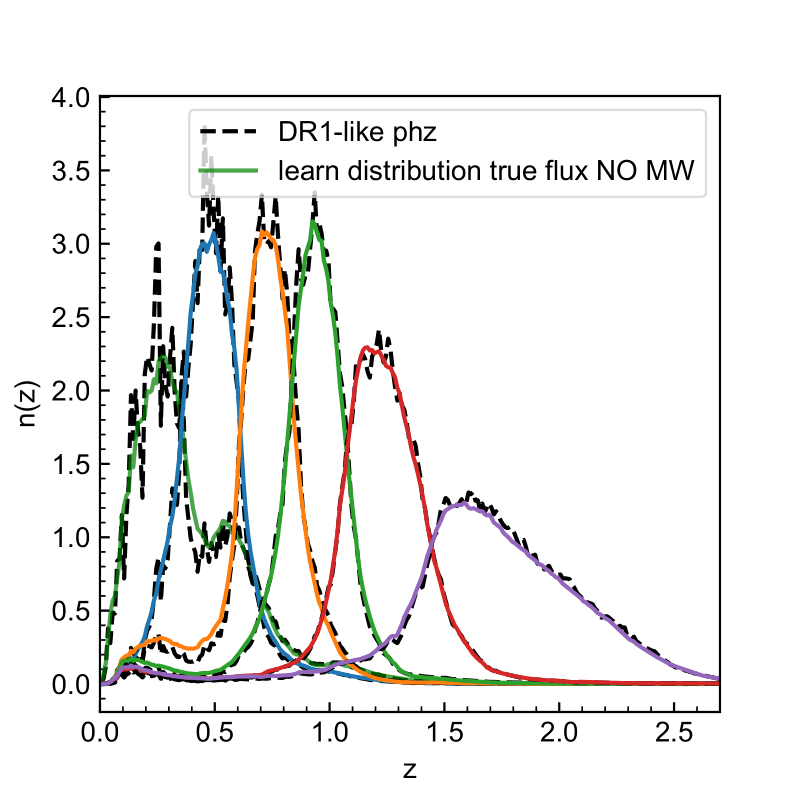
Simulation of realistic redshift distributions using Normalizing Flow.
\(p(z_\mathrm{noisy} | z_\mathrm{true}, \mathrm{Flux})\) infered with Neural Posterior Esimation
Application to UNIONS data
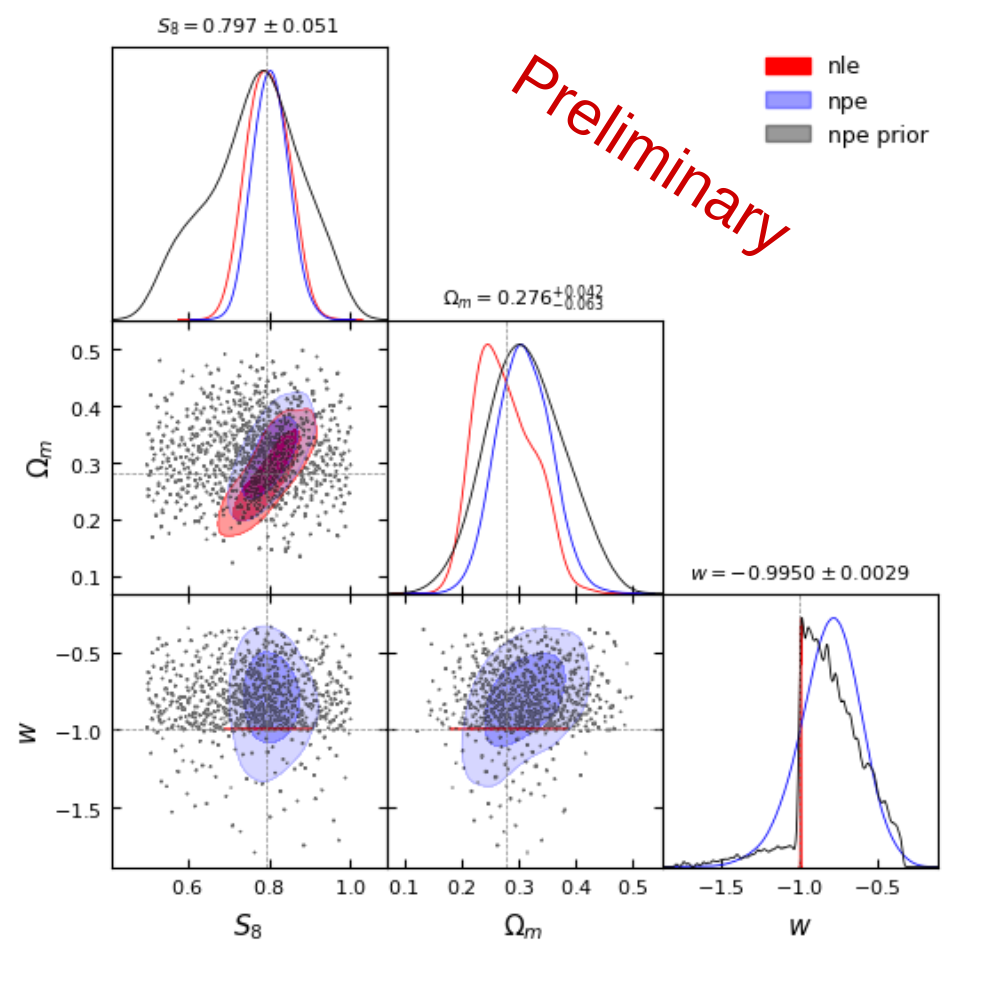
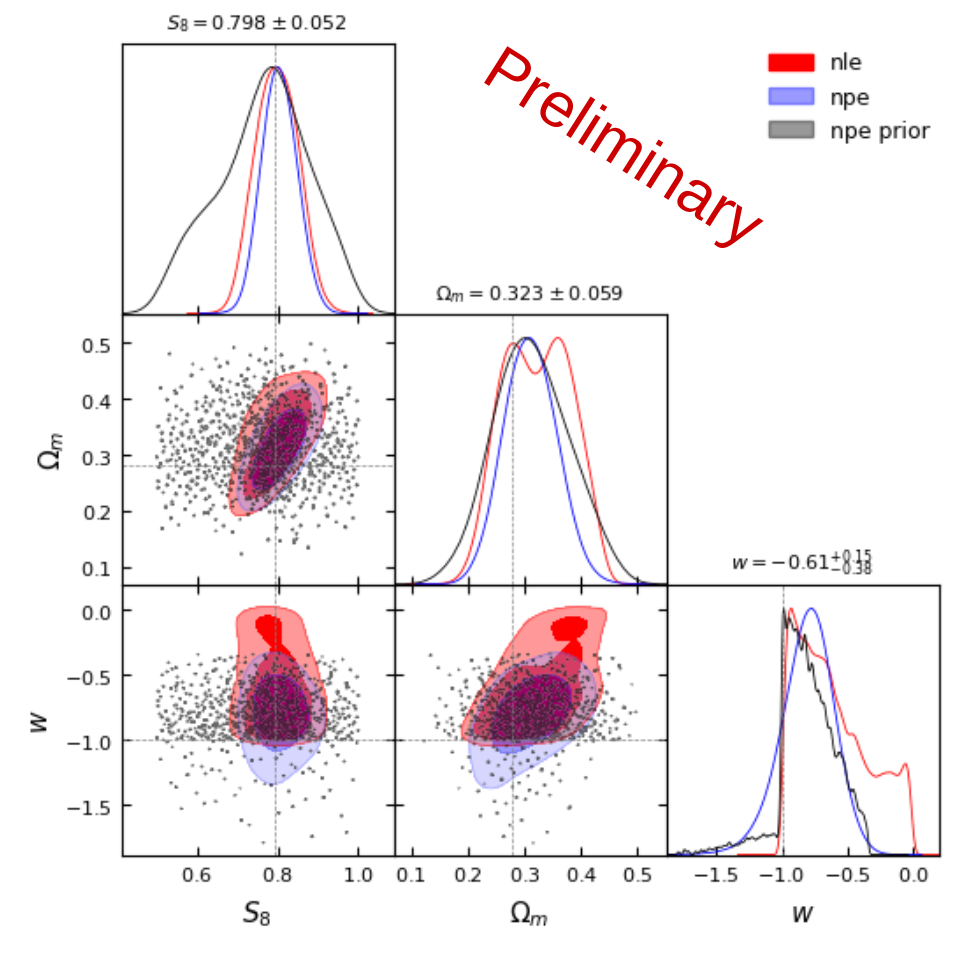
- CNN optimal compression
- Extract information at the pixel level.
- Cut the footprint in patches.
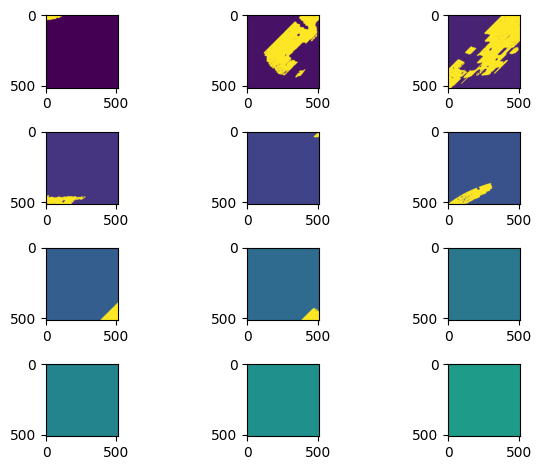
Application to UNIONS data
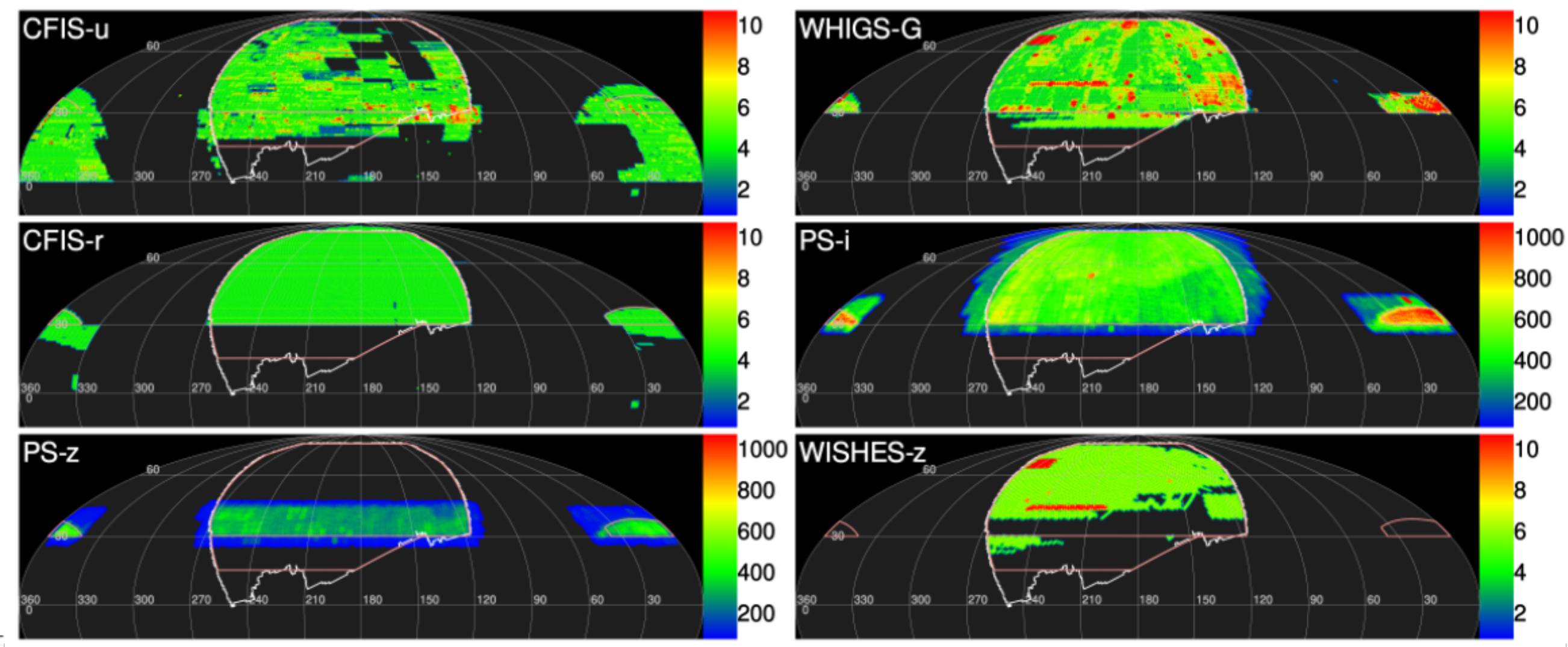
Extra material: UNIONS multi-band coverage
Extra material: MetaCalibration
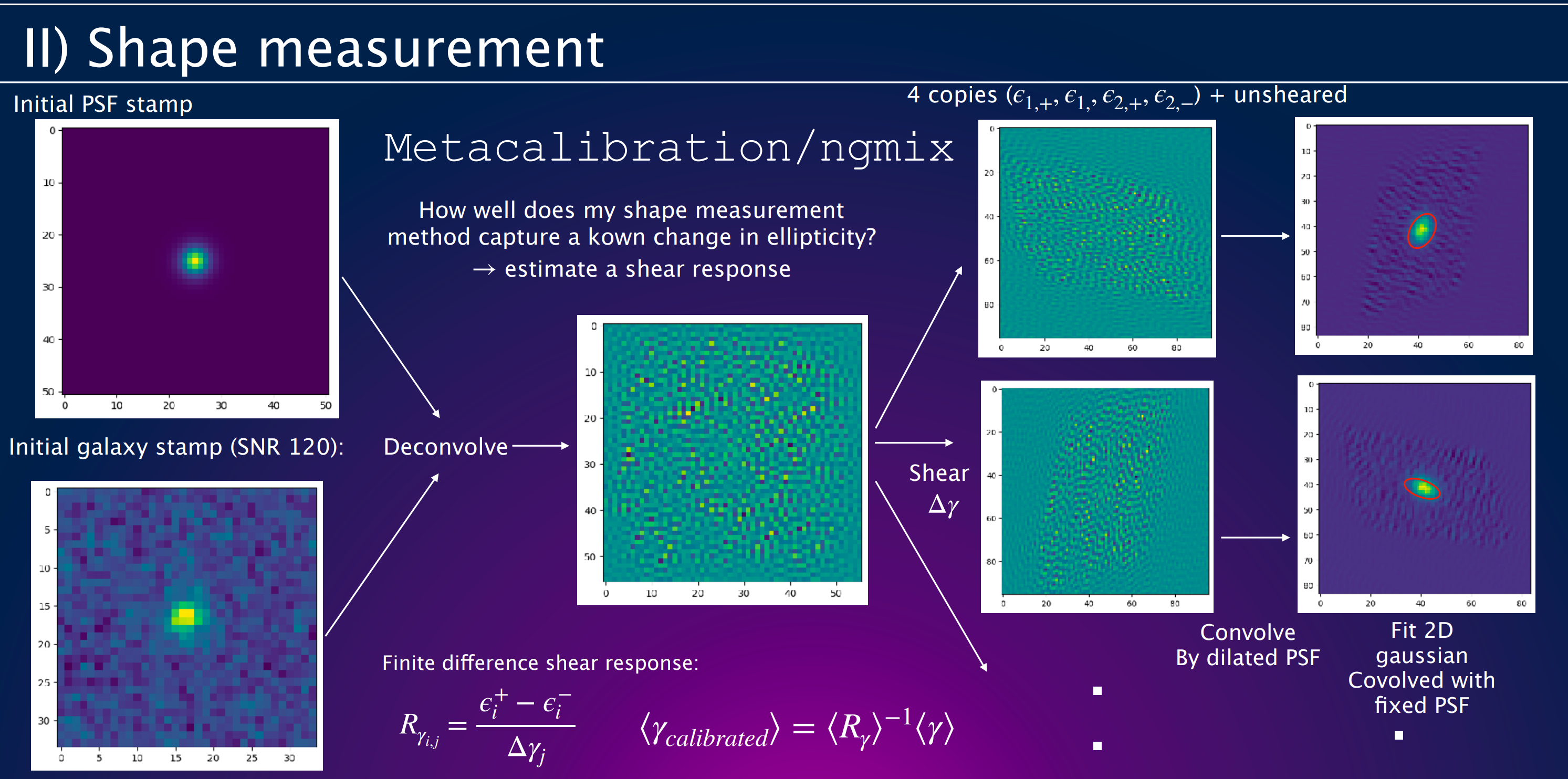
Credit: F. Hervas Peters
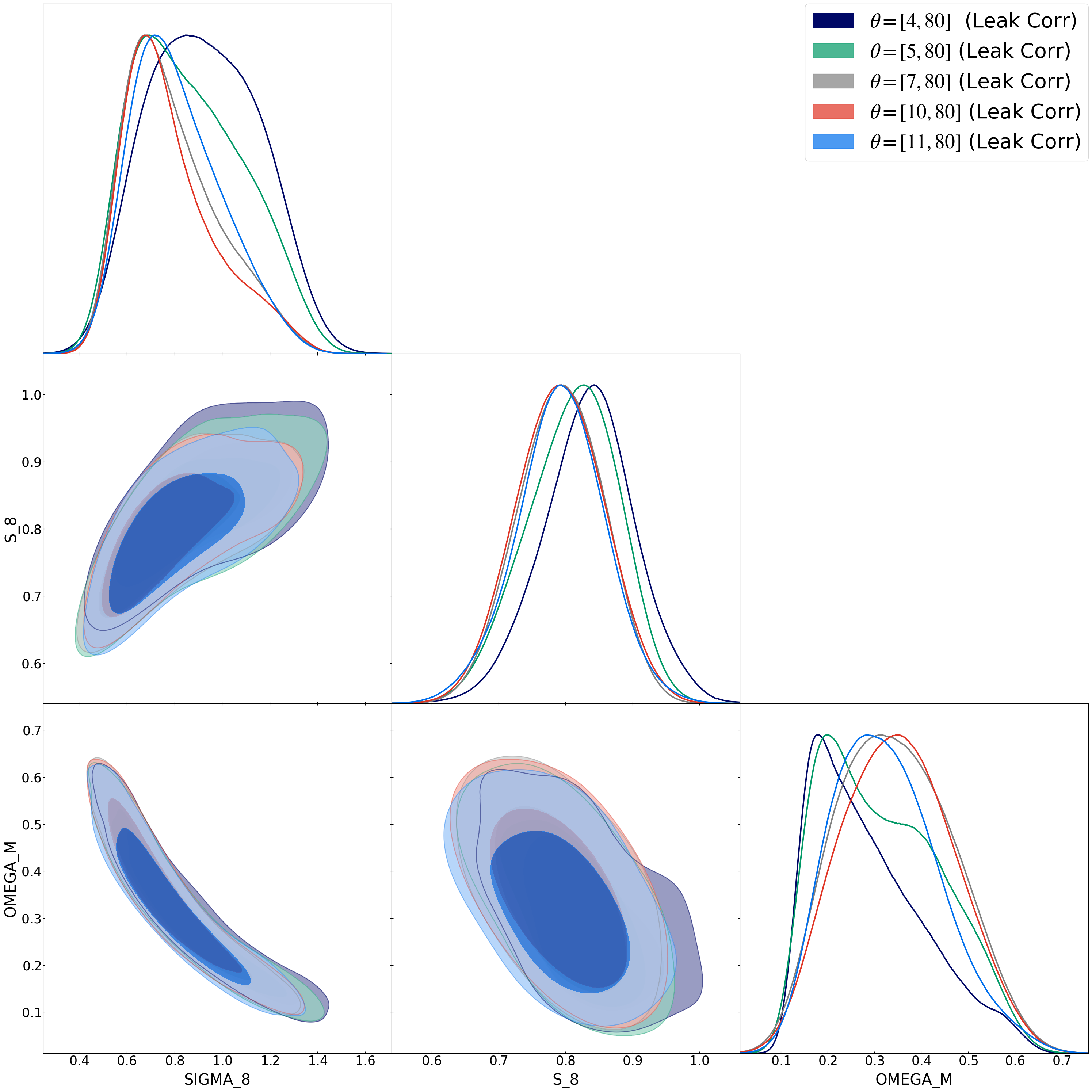
Extra material: Scale cuts
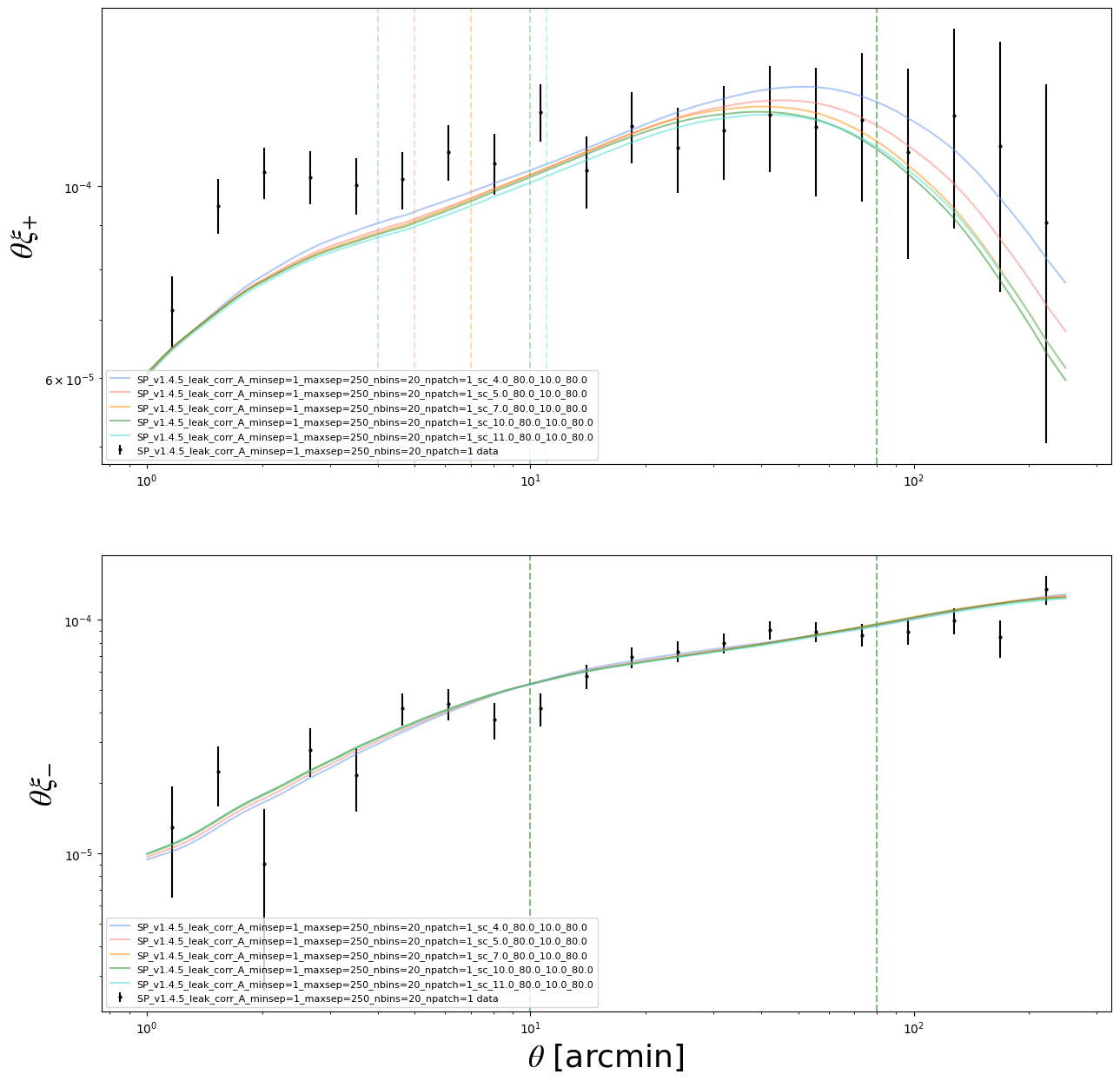
Extra material: Best-fit
Extra material: \(S_8\) constraints
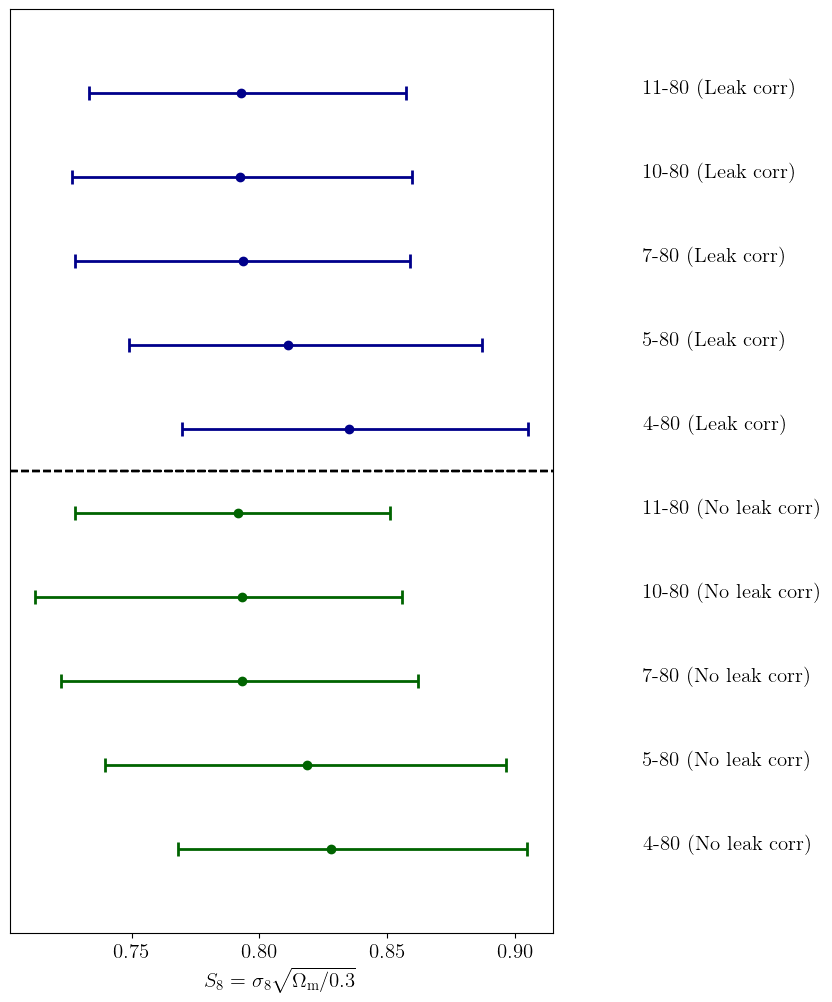
Extra material: real space vs harmonic space
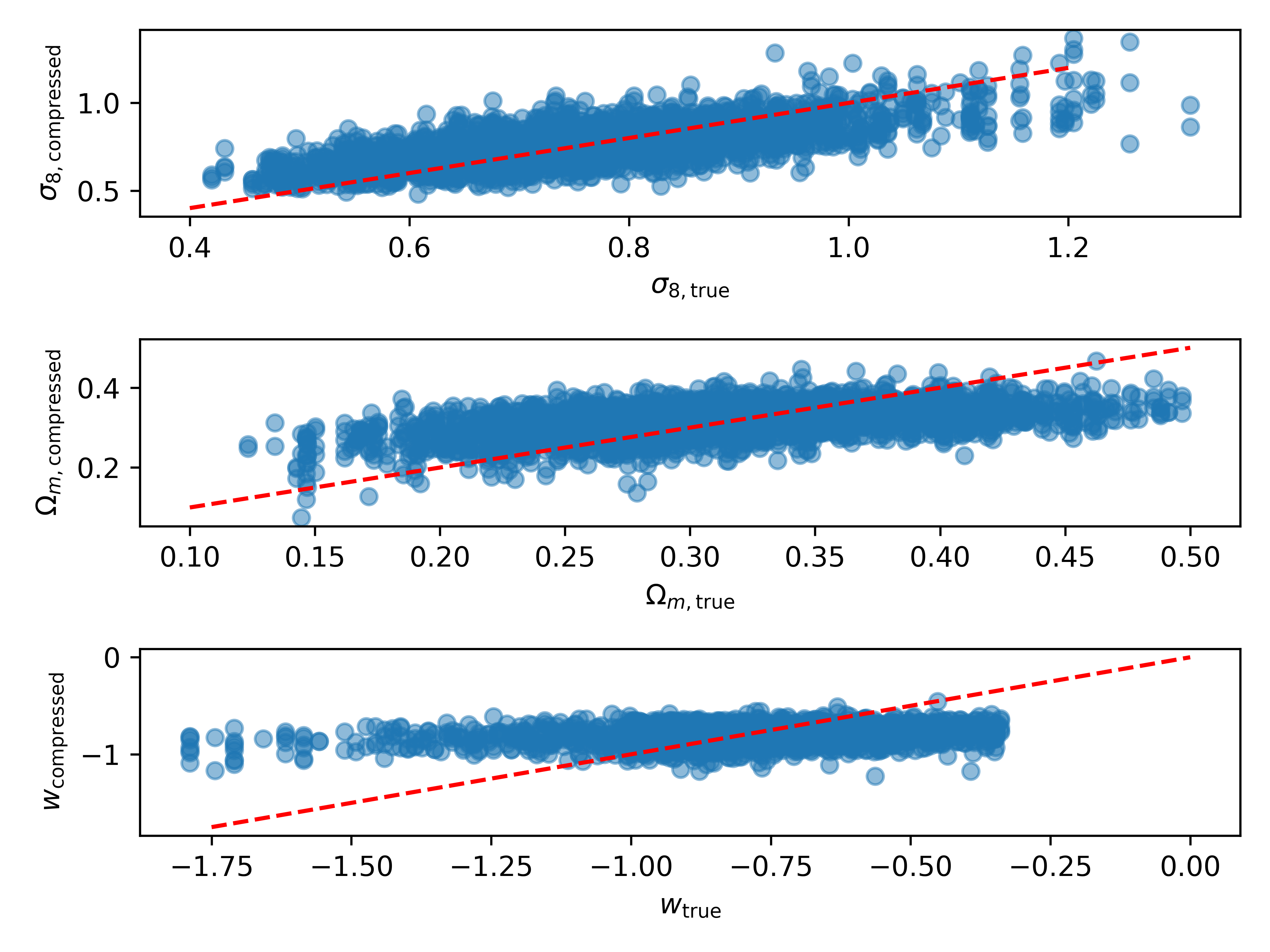
Extra material: MSE compression